
Why Is My Sink Draining Slowly? Find the Real Clog
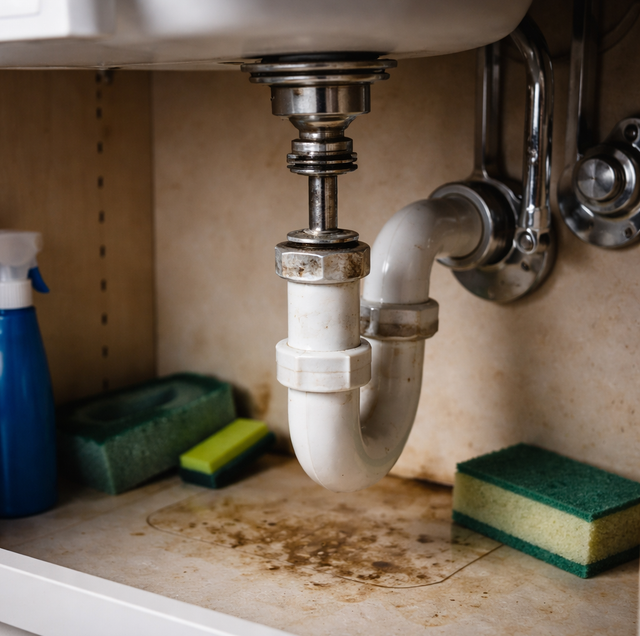
Quick Answer: A slow-draining sink is caused by a partial clog narrowing the pipe somewhere between the drain opening and the sewer. In a bathroom sink, it is usually hair and soap scum wrapped around the pop-up stopper. In a kitchen sink, it is grease and food congealed in the P-trap. Clean the stopper, plunge, or remove and clean the trap. If several drains slow at once, the blockage is deeper in the main line and needs a plumber.
You turn on the tap, and the water pools instead of vanishing. It drains, eventually, but it takes its time, swirling lazily where it once disappeared in a second. A slow sink is not a sudden failure. It is a warning that a partial clog is already forming, and it is growing every day you ignore it.
The key to fixing it is knowing that the blockage sits in one specific spot, and where it sits decides how you clear it. A slow drain is rarely a mystery once you understand the plumbing behind the basin.
A Slow Drain Means a Partial Clog, Not a Full One
Water drains by gravity through a pipe of a fixed width. When that pipe is clear, a full stream falls straight down and out. A slow drain tells you the pipe is not clear. Something has coated the inside walls or bunched up in a bend, shrinking the opening the water has to squeeze through. It is a partial clog, a blockage that has not yet sealed the pipe but has narrowed it enough to choke the flow.
A slow drain is like a highway down to one lane after a wreck: traffic still moves, but it crawls, and one more stalled car closes the road entirely. Every day you keep using a slow sink, more debris catches on the existing snag, and the opening shrinks further. A slow drain today is a fully stopped drain next week.
Where that partial clog sits is the single most useful thing to figure out, because it changes the entire fix. The blockage can live in one of four places, moving from the drain opening down toward the sewer:
- The stopper or strainer at the very top, where the water first enters the drain.
- The P-trap, the curved section of pipe directly under the sink that holds standing water.
- The branch line, the horizontal pipe running from the trap into the wall toward the main drain.
- The main line, the large pipe that carries every drain in the house out to the sewer.
The higher up the clog sits, the easier it is to reach and clear yourself. The deeper it goes, the more it becomes a job for a plumber with proper equipment. So before touching a tool, pay attention to which sinks are slow and where the water hesitates.
The Bathroom Sink: Hair and Soap on the Pop-Up
In a bathroom sink, the culprit is almost always the pop-up stopper. That is the little plug you lift or push to hold water in the basin, connected to a lever behind the faucet. Below the drain opening, the stopper hangs down into the pipe on a metal rod called the pivot rod.
Every time you wash, strands of hair slip down the drain and snag on that rod and the base of the stopper. Soap, toothpaste, and skin oils bind the hair into a soft grey mat that clings there and grows. This tangle sits right at the top of the drain, so it is both the most common bathroom clog and the easiest to fix.
How to Remove and Clean the Pop-Up: Look under the sink at the back of the drain pipe. You will see a horizontal metal rod poking through, held by a small spring clip or a threaded nut. Slip on a pair of gloves first, because whatever comes up will not be pleasant. Pinch the clip and pull the pivot rod out of the drain body, and the stopper lifts straight up out of the sink. Pull the wad of hair and gunk off it, wipe the rod, and reach a bent wire or a plastic drain-cleaning strip down the opening to fish out anything left behind. Drop the stopper back in, reconnect the rod, and run the water. Nine times out of ten, that alone restores a bathroom sink.
The Kitchen Sink: Grease and Food in the Trap
A kitchen sink slows down for a different reason. There is no hair here, but there is grease. Warm cooking fat pours down as a liquid, then cools and hardens as it moves through the pipe. It clings to the walls, and bits of food, coffee grounds, and starch stick to the tacky coating. Over weeks, it builds into a greasy plug.
That plug tends to settle in the P-trap, the U-shaped bend of pipe under the sink. The trap is designed to hold a plug of water that blocks sewer gas from rising into your kitchen, but that same low bend is where cooling grease pools and collects. It is the low point where solids drop out of the slowing water, so grease clogs almost always form there first.
Do not pour chemical drain cleaner into a slow sink before you work on it. If it fails to clear the blockage, you are left with caustic liquid pooled on top of the clog. Plunging it can splash that liquid back toward your face, and opening the trap means draining skin-burning fluid by hand. Clear the clog mechanically with the stopper, a plunger, or by removing the trap instead.
How to Clear It, Step by Step
Work from the easiest method down, and stop the moment the water runs free.
Plunge It First: A sink plunger, the small cup style, is the quickest thing to try. Fill the basin with a couple of inches of water so the cup seals. If you have a double sink, stuff a wet rag hard into the other drain opening, or the pressure escapes there instead of hitting the clog. Seal the cup over the drain and push and pull a dozen times firmly. The suction can break a soft grease or food plug loose and push it through.
Remove and Clean the P-Trap: If plunging fails, go straight to the trap, because that is where the clog most likely sits. Put on gloves and set a bucket directly under the P-trap before you touch anything, since it is full of water and whatever is stuck in it. Loosen the two slip nuts on either side of the U-bend by hand or with slip-joint pliers, and lower the trap into the bucket. Tip out the water, then scrape and rinse the grease and debris out of the bend. Check the straight pipe going into the wall too. Reassemble the trap, snug the nuts, and run water to check for leaks.
Auger the Branch Line: If the trap comes out clean but the drain is still slow, the clog has moved past it into the branch line inside the wall. This is where a hand auger, also called a drain snake, earns its place. With the trap removed, feed the auger cable into the pipe opening in the wall and crank the handle. Turn it slowly and let the coiled tip catch and pull the blockage back, or break it apart. Reassemble the trap when you are done and flush the line with hot water.
Why Baking Soda and Chemical Cleaners Are Not the Answer
Two popular fixes deserve a clear-eyed look, because people reach for them first and are often disappointed.
Baking soda and vinegar followed by hot water is a fine maintenance habit, not a clog cure. The fizzing reaction is mild and mostly cosmetic. It can loosen light grease film and freshen a drain that is starting to smell, but it has no power to break through a real plug that is already choking the flow. Use it monthly to keep a clear drain clear. Do not expect it to rescue a sink that has already slowed to a crawl.
Chemical drain cleaners are the option to avoid. They work by generating heat and a caustic reaction, and that heat can soften or warp plastic pipes and eat away at the rubber seals and slip washers in your trap. Worse, they set a safety trap. If the cleaner does not clear the blockage, you are left with a sink full of caustic liquid sitting on top of the clog. If you then plunge it, you risk splashing that chemical back up into your face, and if you open the trap to clear it by hand, you are draining a bucket of skin-burning liquid. A drain that has had chemical cleaner poured in is truly dangerous to work on afterward. Skip the bottle and go straight to the stopper, plunger, or trap.
The Signs the Problem Is Deeper
Sometimes the clog is beyond anything you can reach, and reading the signs early saves you a mess.
If more than one drain is slow at the same time, or a sink gurgles when the washing machine drains or a nearby toilet is flushed, the blockage is not in any single fixture. It is down in the main line that every drain shares, and clearing it takes professional equipment reaching from a cleanout access point. A single slow sink is a local clog. Several slow fixtures at once, especially with a sewage smell rising, is a main-line problem for a plumber, not a plunger.
There is one more cause worth naming, because it fools people. Your drain system is paired with a network of vent pipes running up through the roof, letting air in behind the draining water. If a vent gets blocked by a bird nest or leaves, the water cannot pull air in behind it, so it drains slowly and glugs, gurgling as it fights a vacuum. A slow, gurgling drain that is otherwise clear may point to a blocked vent on the roof rather than a clog in the pipe. That is a diagnosis a plumber can confirm safely from a ladder.
Prevention: Keep the Drain Clear for Good
Once a sink runs freely again, a few habits keep it that way.
- Drop a mesh strainer basket into every drain and empty it into the trash. It catches hair in the bathroom and food scraps in the kitchen before they reach the pipe.
- Never pour grease, bacon fat, or oil down the kitchen drain. Let it cool and solidify in a can or jar, then throw it out. This one habit prevents most kitchen clogs.
- Once a week, run hot tap water down the kitchen sink for a full minute to keep any early grease film moving instead of setting.
- Once a month, pull the bathroom pop-up stopper and wipe the hair off it before a mat has a chance to build.
Slow drains are almost always the sum of small neglect. A strainer and a minute of upkeep beat a bucket and a wrench every time.
Frequently Asked Questions
The clog itself will not corrode standard pipe, but the standing water it causes can. Water sitting for hours against the metal walls of an older galvanized steel drain speeds up interior rust and scale, which can permanently narrow the pipe. On top of that, a partial clog forces you to run water longer and harder, and the constant pooling gives biofilm and drain flies a place to breed. A slow drain is cheaper to clear than the pipe replacement a long-ignored one can eventually force.
Your dishwasher usually shares the kitchen sink's drain line, connecting either to the disposal or to the trap through a hose. When the dishwasher pumps out, it pushes a surge of water into a line that may already be partly narrowed by grease. If drainage backs up or slows only during that surge, suspect the branch line downstream of the connection, or a clogged air gap, the small cylinder on the countertop or near the faucet that keeps dirty water from siphoning back.
For a metal drain line, boiling water can help melt a light grease film. For plastic PVC pipe and the plastic P-trap under most sinks, boiling water is a risk. Water at a rolling boil can soften PVC joints and the trap over repeated use, weakening the glued or threaded connections. Use hot tap water for routine flushing instead, and save boiling water for a metal kitchen line only, poured in stages rather than all at once.
Remove the P-trap with a bucket underneath and inspect it. If the trap is packed with gunk and the drain runs fine once it is cleaned and reinstalled, the clog was in the trap. If the trap comes out clean yet the sink still drains slowly, the blockage has moved past the trap into the branch line inside the wall, which is where a hand auger fed into the wall pipe becomes the right tool. As a rule of thumb, most branch-line clogs sit within the first three to five feet of pipe; if a fully extended fifteen-foot auger still meets nothing solid, the trouble is in the shared main line rather than that sink's branch.
It can, but only if you block the overflow first. Bathroom sinks have a small overflow opening near the rim that connects to the drain below the stopper. When you plunge, air and pressure escape straight out that hole instead of driving down onto the clog. Press a wet rag or a strip of duct tape firmly over the overflow opening before you plunge, and the cup will build the suction it needs to shift the blockage.
That black slime is biofilm, a living colony of bacteria feeding on soap, skin cells, and toothpaste residue coating the inside of the pipe and the stopper. It is not a hard clog on its own, but it traps hair and thickens over time, and it is the source of that musty drain odor. Scrub it off the stopper and reachable pipe with an old toothbrush and hot soapy water. A weekly hot-water flush keeps it from taking hold again.
Stop babysitting a slow drain — a quick, honest diagnosis gets your sink running like new. Adaven Plumbing serves Las Vegas, Henderson, and Summerlin. Call (702) 766-3320.