
Quick Fixes for Tankless Water Heater Problems
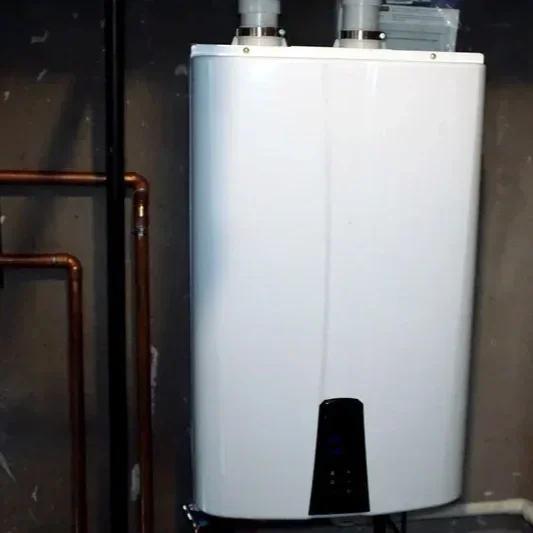
When a tankless unit starts acting up, minor hiccups often cause the biggest headaches.
Tankless water heaters are compact, energy-efficient marvels that deliver hot water on demand. They're a favorite among homeowners who value performance without the bulky footprint. However, even the sleekest technology can have an off day. When a tankless unit starts acting up, minor hiccups often cause the biggest headaches.
Fortunately, most common issues have straightforward fixes that don't require tearing apart the whole system or calling in backup immediately. With a bit of care, a few simple tools, and a solid routine, many problems can be solved before they spiral into costly repairs.
Silencing The No-Hot-Water Surprise
Few things jolt a person awake quite like an unexpected burst of cold water. When a tankless unit stops delivering heat, it's often linked to something as basic as mineral buildup. Hard water tends to leave behind calcium and magnesium deposits that restrict flow and impair the heat exchanger's performance.
Flushing the system usually clears the way. Using white vinegar or a manufacturer-approved descaling solution, circulate the liquid through the unit using a small pump. A once-a-year flush helps maintain performance and keeps the heat steady when it's needed most.
Addressing Low Flow Woes
When water pressure drops, tankless units often react by shutting off. These heaters require a minimum flow rate to activate, and when this rate is not met, the system sits idle. A dirty filter or clogged aerator might be the culprit.
The inlet filter, tucked just where the water enters the unit, catches debris and sediment. A quick rinse under clean water usually does the trick. Meanwhile, faucet aerators can sometimes collect buildup as well. Scrubbing them out or soaking them in vinegar can help restore intense, steady pressure throughout the house.
Clearing Error Codes With Confidence
Tankless systems are kind enough to talk back—at least through error codes. Whether it's a venting issue, flame failure, or ignition error, the unit displays a code that directly points to the issue.
Rather than treating it like a cryptic riddle, check the user manual or the manufacturer's website for the exact meaning. Often, it's as easy as replacing a faulty sensor, checking the gas supply, or resetting the unit after a temporary glitch. Understanding the code helps avoid guessing games and steers the repair in the right direction.
Tackling Temperature Fluctuations
When the shower turns into a game of hot-cold roulette, it can ruin the best part of the day. Inconsistent temperature is often linked to plumbing design or fluctuating demand. If multiple fixtures use water simultaneously, the heater may struggle to keep up with the demand.
Installing a small buffer tank helps by providing a short reserve, which smooths out the delivery. Alternatively, a recirculation pump can reduce the wait time and stabilize the flow. For a more immediate fix, adjusting the temperature setting directly on the unit can reduce the chance of spikes or drops.
Handling Ignition Failures
Gas-powered models rely on proper ignition to work efficiently. When ignition fails, it's often due to dirty flame sensors or a lack of gas supply. A gentle cleaning of the sensor with a soft cloth and a check of the gas line connection usually solves the issue.
Sometimes, a power reset brings the unit back to life, especially after an electrical hiccup. Just unplug the unit for a minute and reconnect. If the problem persists, the igniter might need replacement—a job better suited to a licensed plumber.
Protecting From Cold-Weather Damage
During colder months, tankless water heaters installed in garages or exterior walls are at risk of freezing. Most units include built-in freeze protection, but that feature only works when power is present. A power outage during a cold snap can spell trouble.
Adding pipe insulation and installing a backup power source for the freeze-protection circuit helps maintain function during the most severe weather conditions. For units in particularly exposed areas, draining the heater during extreme cold offers added ease.
Checking The Venting Path
Proper air intake and exhaust are essential for gas-powered systems. Obstructed vents or improper installation can cause poor performance or shut the unit down entirely. Birds, leaves, or even ice can block exterior vents.
Visually inspecting the vent system every few months and keeping it clear of debris goes a long way toward maintaining the unit's health. When airflow remains unrestricted, combustion stays clean and efficient.
Keeping It Clean and Tuned
Regular attention beats costly repairs every time. Wiping down the exterior, checking connections, and listening for unusual noises helps catch issues early. Much like a vehicle, a tankless water heater benefits from regular maintenance, ensuring reliable performance.
For homes with tough water or complex plumbing systems, a yearly visit from a licensed plumber can help fine-tune everything from gas pressure to temperature sensors.
A Tankless Routine That Works
Tankless water heaters don't require much—just a little care and attention from time to time. Keeping the unit flushed, filters clean, and airflow open allows it to run at peak efficiency year after year. Many fixes can be done without much fuss, keeping the house warm, the showers hot, and the morning routine blissfully uneventful.
By staying ahead of common issues, homeowners can avoid major surprises and keep the system running smoothly. It's all about catching the little things before they snowball—and making sure the only thing flowing freely is hot water.
Call Adaven Plumbing for affordable and lasting tankless water heater installations, water filtration, water softeners, garbage disposal installation, garbage disposal repair, and garbage disposal replacement. Our team stays up-to-date on the current plumbing techniques and technology. Enjoy affordable pricing and same day service. We offer on-time and reliable services. Call today to book an appointment.