
Cracking the Code on Hidden Leaks
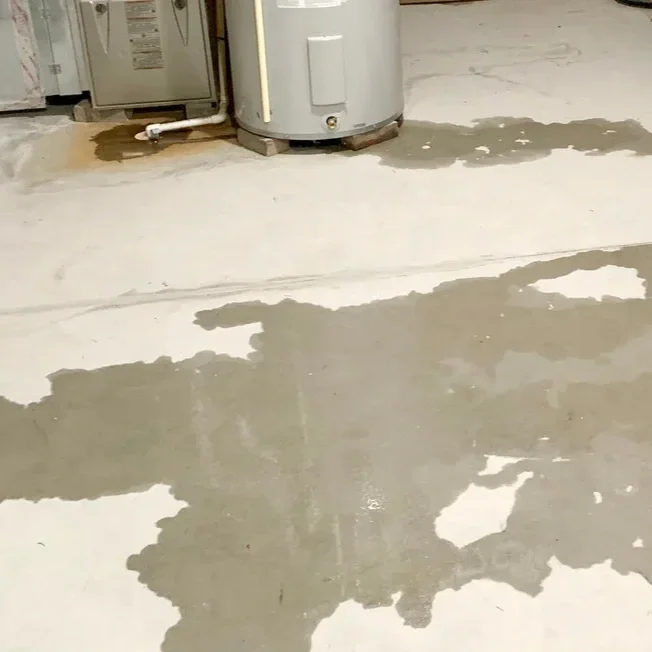
Slab leak detection and repair isn't just about pipes. It's about pattern recognition, odd behaviors, and technical wizardry that would impress even the most skeptical homeowner.
When water plays hide and seek beneath concrete, it leaves behind a puzzle only a slab leak professional can solve. Hidden leaks don't wear name tags or wave red flags. They slip behind walls, burrow under floors, and chip away at foundations without so much as a courtesy splash. But they leave behind clues—subtle, quirky, and frustratingly elusive.
Slab leak detection and repair isn't just about pipes. It's about pattern recognition, odd behaviors, and technical wizardry that would impress even the most skeptical homeowner. One day, the tile feels warm. Another day, the water meter runs a marathon while every faucet stays off. Eventually, the whole picture starts to form—and it's almost always wet.
Tiny Clues, Big Problems
Most slab leaks don't explode. They simmer. A tiny crack in a copper pipe beneath the foundation can quietly release gallons of water into the soil. Floors start to shift. Wooden baseboards swell. The drywall starts sulking with damp patches. Before long, it's not just a plumbing issue—it's structural, environmental, and emotional.
Some homeowners chalk it up to humidity. Others blame the family dog for the puddle in the hallway. Meanwhile, the leak continues to work overtime. The longer it stays hidden, the more damage it quietly stacks up. And unlike a leaky faucet, it doesn't make noise to give itself away.
The Undercover Role Of Technology
The slab leak technician steps in like a specialist from a heist movie—armed with tools designed for one mission: find that leak without tearing the house apart. Thermal imaging cameras highlight heat signatures where they shouldn't be. Acoustic sensors amplify the whisper of water traveling where it shouldn't. Pressure testing highlights drops that confirm suspicions with cold, complex numbers.
With this level of precision, the guesswork is gone. No one needs to jackhammer their way through a living room to investigate a hunch. The repair starts exactly where it's needed, and nowhere else. It's detective work with an advanced degree in plumbing science.
Why Slab Leaks Love Chaos
Slab leaks aren't random. They happen when a few harmful ingredients come together under pressure—literally. High water pressure can stress pipes beyond their comfort zone. Soil shifts from drought, rain, or nearby construction can warp foundations and twist pipes like licorice sticks. Corrosion, especially in older copper pipes, is another silent saboteur, often fueled by water chemistry or electrical grounding issues.
Older homes are especially vulnerable. Years of subtle ground movement, temperature fluctuations, and pipe expansion can lead to stress fractures. Once the crack appears, it doesn't close itself. It spreads. And it leaks. Slowly. Constantly. Without asking permission.
Choosing The Right Repair Strategy
Slab leak detection and repair isn't a one-size-fits-all solution. In some situations, direct access is required: open up the slab at the leak site and repair the affected section of pipe. Fast. Focused. Disruptive, but effective.
Other times, rerouting the plumbing entirely makes more sense. New pipes can be installed through walls or ceilings, bypassing the slab and sidestepping the whole underground drama. This approach prevents future slab disruptions and provides the system with a fresh start.
Then there's trenchless pipe lining, the smooth operator of the plumbing world. A flexible epoxy coating is inserted and cured inside the existing pipes. The leak stops, the structure remains intact, and the household avoids days of demolition noise.
Damage Control Without Drama
Ignoring a slab leak is like ignoring termites in the wall. The problem doesn't go away—it multiplies. Foundations shift, floors warp, and mold throws an unwanted house party. Repair bills snowball, insurance claims get complicated, and suddenly the leak becomes a full-blown household crisis.
Quick detection and smart repairs stop the spiral. Floors stay intact. Mold doesn't get a chance to unpack. The house remains a home, rather than a construction site. And the water bill? It calms right back down.
People Who Speak Fluent Pipe
Slab leak pros have a particular set of skills. They don't just patch pipes—they interpret evidence. They know the difference between a harmless vibration and a severe pressure drop. Their tools resemble science fiction gadgets, and their instincts are honed from years of following water where it doesn't belong.
Their goal? Restore order with minimal disruption. They don't just show up with a wrench. They arrive ready to solve a mystery, protect the foundation, and save the homeowner from incurring costly concrete repairs.
How To Keep Leaks From Coming Back
Regular plumbing checkups help catch warning signs early. Pipes don't usually burst without complaining first. Maintaining a reasonable water pressure level, managing soil moisture around the foundation, and upgrading older plumbing can all help reduce the risk.
Leak detection systems with automatic shut-offs provide an additional layer of protection, particularly in high-risk homes. They act like a home's nervous system—sensing abnormal flow patterns and reacting before the damage spreads. They don't make noise, but they speak volumes when something goes wrong.
The Quiet Work That Matters
Slab leak detection and repair rarely show up in glamorous renovation photos. It's not the kind of upgrade that comes with marble countertops or new hardwood flooring. But it protects all of those things. It preserves the invisible skeleton of the home, the system that makes everything else work.
Behind the walls, under the slab, and through the pipes flows the lifeblood of any home. When something goes wrong, the repair doesn't just stop the leak—it restores balance. All with as little mess as possible and maybe a few good-natured jokes from the crew.
So the next time there's a mysterious warm spot on the tile or the meter spins like it's training for a race, the solution won't involve guesswork or panic. It'll involve professionals who crack the code of hidden leaks daily—with tech in hand, humor in pocket, and a deep appreciation for dry foundations.
Trust Adaven Plumbing for an effectively and efficiently functioning residential plumbing system. We offer drain cleaning, water leak detection and repair, toilet repairs, home repiping, faucet repair and replacement, and plumbing maintenance solutions in Las Vegas. We have a team of licensed technicians who deliver quality work and 24-hour emergency assistance. Call today to schedule a free onsite estimate.