
How to Deal with Frozen Pipes
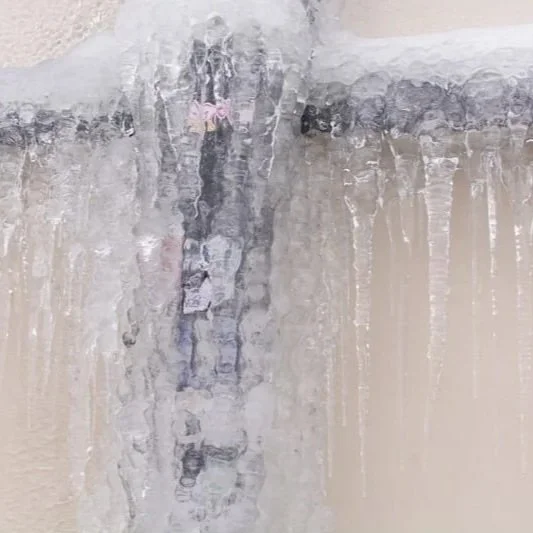
Frozen pipes can generate burst pipes, water damage, and significant interruptions to business activities.
During the winter months, small businesses often face a serious issue with frozen pipes. Understanding how to handle and prevent this problem is crucial for maintaining smooth operations and avoiding costly damage. Frozen pipes can generate burst pipes, water damage, and significant interruptions to business activities. Here are practical tips and solutions for dealing with frozen pipes effectively.
Understanding the Problem
Pipes typically freeze when temperatures drop below freezing, especially in poorly insulated areas or where pipes are exposed to cold air. The water inside the pipes can freeze and expand, leading to potential bursts and significant water damage. This scenario can disrupt business operations and lead to costly repairs. Recognizing the conditions that lead to frozen pipes is the first step in addressing the issue.
Indications of Frozen Pipes
Identifying the signs of frozen pipes can prevent more severe damage. Common indicators include a lack of water from faucets, visible frost on exposed pipes, strange odors emanating from the faucets or drains, and noticeably reduced water pressure. Recognizing these signs early allows for timely intervention, reducing the risk of pipe bursts. For instance, if there is no water flow when a faucet is turned on, it often means the pipe leading to it is frozen. Frost on pipes, especially in unheated areas, is a visual cue that needs immediate attention. Strange smells can indicate that ice is blocking the pipe, causing sewer gases to back up into the home. Reduced water pressure might suggest a partial freeze somewhere in the line.
Preventative Measures
Preventing pipes from freezing is the best approach. Proper insulation is essential. Foam pipe insulation can be wrapped around pipes to keep them warm and insulated. Heat tape can also be applied to pipes, providing a reliable heat source to prevent freezing. Insulating pipes, particularly in unheated areas like basements, attics, and garages, is crucial. Foam sleeves, heat tape, or thermostatically controlled heat cables can maintain the pipes' temperature above freezing.
Holding a consistent indoor temperature is another effective strategy. Keeping the heat on, even during off-hours, helps to protect pipes from freezing. Opening cabinet doors can also allow warm air to circulate through pipes, especially those located under sinks. During extremely cold weather, maintaining a higher indoor temperature, even at night, can help prevent pipes from freezing.
Sealing any leaks or cracks around pipes can prevent cold air from entering and freezing the water inside. Identifying and addressing these vulnerabilities before the onset of cold weather is a crucial step in preventing frozen pipes. Even small openings can allow enough cold air to enter and freeze a pipe. Use caulking or spray foam insulation to close these gaps.
Immediate Actions to Take
When a pipe is suspected of being frozen, immediate action is required. First, locate the frozen pipe by checking areas most open to the cold, such as basements, crawl spaces, and exterior walls. A non-contact infrared thermometer can help pinpoint the exact location. Once located, the next step is to thaw the pipe.
Avoid using open flames or high-heat devices, as these pose a fire risk and can damage the pipe. Always exercise caution and prioritize safety during the thawing process. Open flames are hazardous and can cause more harm than good.
When to Call a Professional
There are times when calling a professional plumber becomes necessary. If the frozen pipe is difficult to locate, a licensed plumber can provide the necessary expertise. Indications of a burst pipe, such as water leaks or flooding, require immediate professional plumbing repair. Professional plumbers own the tools and knowledge to handle severe cases effectively. In some cases, the damage may be extensive, and a professional's intervention can prevent further damage.
Long-term Solutions
Implementing long-term solutions can greatly reduce the risk of future frozen pipes. Upgrading insulation for all exposed pipes is a wise investment. Adding insulation to walls and ceilings further enhances protection against freezing temperatures. Consider using pipe insulation sleeves or wrapping pipes with heat tape to prevent heat loss.
Installing heating cables or automatic heat tape on pipes is another effective measure. These devices provide consistent heat, preventing the water inside from freezing. Regular maintenance, including annual inspections and winterizing the plumbing system each fall, helps identify and address potential issues before they escalate. Scheduling regular checks by a professional plumber can identify potential problems early.
By following these tips and strategies, small businesses can protect their plumbing systems from the damaging effects of frozen pipes. Investing in preventative measures, recognizing early warning signs, and knowing when to call in plumbing experts are all crucial steps in maintaining a functional and efficient business operation during the winter months.
Trust Adaven Plumbing for an effectively and efficiently functioning residential plumbing system. We offer drain cleaning, water leak detection and repair, toilet repairs, home repiping, faucet repair and replacement, and plumbing maintenance solutions in Las Vegas. We have a team of licensed technicians who deliver quality work and 24-hour emergency assistance. Call today to schedule a free onsite estimate.