
Regulating Water Pressure For A More Efficient, Long-lasting Plumbing System
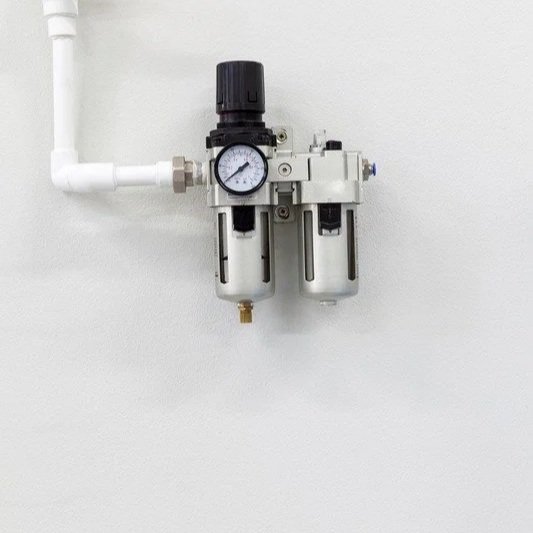
Understanding how water pressure affects a plumbing system helps property owners make informed decisions about important preventative maintenance.
Water pressure regulation is one of the most overlooked yet vital components for maintaining a healthy plumbing system in both residential and commercial properties. Proper water pressure not only affects daily water usage but also significantly impacts the longevity of pipes, fixtures, and water-using appliances throughout a building. Understanding how water pressure affects a plumbing system helps property owners make informed decisions about important preventative maintenance.
The Hidden Dangers Of Improper Water Pressure
Municipal water supplies typically deliver water at pressures ranging from 40 to 100 pounds per square inch (PSI). While local building codes often recommend maintaining residential water pressure between 40 and 80 PSI, many homes experience pressure well above these recommended levels. Excessive pressure continually strains the entire plumbing system.
High water pressure manifests through several warning signs: pipes that make banging noises (water hammer), frequent leaks at connection points, running toilets that won't stop, dripping faucets, and appliances that fail prematurely. Each symptom indicates underlying stress on the plumbing infrastructure requiring professional attention.
Conversely, low water pressure creates different challenges. Insufficient pressure results in inadequate flow at fixtures, issues with appliance operation, and difficulty maintaining a consistent water temperature. Both pressure extremes demand appropriate regulation for optimal system performance.
How Pressure Regulators Protect Plumbing Systems
A pressure regulator functions as a mechanical valve that reduces incoming water pressure to appropriate levels for residential or commercial use. Installing an appropriately sized pressure regulator delivers multiple benefits:
Extended pipe lifespan: Regulated pressure minimizes stress on pipes, fittings, and connections, preventing premature failures and leaks.
Appliance protection: Water-using appliances, such as dishwashers, washing machines, and water heaters, operate within designed pressure parameters, thereby extending their operational life.
Reduced water consumption: Properly regulated pressure naturally conserves water by preventing excessive flow through fixtures and appliances, thereby reducing utility bills.
Elimination of water hammer: Controlled pressure prevents the jarring pipe movement and banging sounds caused by sudden pressure changes within the plumbing system.
Consistent performance: Regulated pressure provides reliable water delivery throughout the property, maintaining adequate flow without causing damage.
Professional Installation Makes The Difference
While pressure regulators represent relatively simple mechanical devices, proper selection and installation require professional expertise. A professional plumber evaluates several factors when recommending and installing a pressure regulator:
Incoming water pressure: Accurate measurement of the existing pressure determines the necessary regulation.
Property size and configuration: Larger properties or multi-story buildings may need specialized regulation solutions.
Water usage patterns: Commercial properties and residences have distinct requirements based on typical consumption patterns.
Local plumbing codes: Installation must comply with applicable regulations and building codes.
System compatibility: The regulator must integrate properly with existing plumbing infrastructure.
Professional installation positions the regulator optimally—typically after the main water shutoff but before branch lines divide water throughout the property. Proper placement, secure connections, and accurate pressure adjustment require specialized tools and expertise, which are typically available through professional plumbing companies.
When Property Owners Should Consider Pressure Regulation
Several situations warrant consulting a professional plumber about pressure regulation:
New property purchase: Water pressure assessment should be included as part of the initial property evaluation.
Recurring plumbing problems: Frequent leaks, fixture failures, or appliance issues often indicate pressure-related damage.
Audible plumbing noises: Water hammer and pipe vibration suggest pressure fluctuations requiring regulation.
Municipal system changes: Local water providers may adjust delivery pressure, necessitating regulation for properties affected by these changes.
Plumbing renovations: Major system updates present an ideal opportunity to address pressure concerns.
Appliance replacement: Protection of new water-using appliances starts with proper pressure regulation.
Maintaining Pressure Regulation Systems
Like all plumbing components, pressure regulators require periodic maintenance and eventual replacement. A professional plumber recommends:
Annual pressure testing to verify regulator performance and adjust settings if necessary.
Inspection during regular plumbing maintenance to check for wear or operational issues.
Replacement every seven to ten years, depending on water quality, usage patterns, and the specific model installed.
Regular maintenance prevents unexpected failures and maintains optimal pressure throughout the system's operational life.
Selecting A Professional Plumbing Company
Finding qualified professionals for pressure regulator installation involves considering several factors:
Licensing and certification demonstrate formal training and compliance with local regulations.
Warranty coverage protects against premature failure or installation problems.
Customer reviews offer valuable insights into the reliability and quality of workmanship.
Detailed estimates outline costs, timeframes, and specific equipment recommendations.
The Economic Case For Pressure Regulation
Beyond protecting plumbing infrastructure, pressure regulation delivers economic benefits through:
Lower your water bills by controlling consumption at fixtures and appliances.
Extended appliance lifespan, delaying replacement expenses.
Prevention of water damage from burst pipes or failed connections.
Maintenance cost reduction through less frequent repairs of fixtures and fittings.
The investment in professional pressure regulator installation typically pays dividends through years of prevented damage and reduced utility expenses.
Professional Plumbing Expertise Matters
Water pressure regulation represents a fundamental aspect of plumbing system design and maintenance. Professional plumbers understand the subtle interactions between water pressure, plumbing materials, and household appliances. Their expertise enables precise calibration of pressure regulators, allowing for optimal performance without compromising water flow for daily activities.
A modest investment in proper pressure regulation protects the entire plumbing system and extends the useful life of water-using appliances. Property owners who recognize the importance of pressure regulation and seek professional plumbing assistance demonstrate commitment to infrastructure preservation and resource conservation. Working with a professional plumbing company to address pressure concerns establishes a solid foundation for long-term reliability, efficiency, and optimal performance of your plumbing system.
Trust Adaven Plumbing for an effectively and efficiently functioning residential plumbing system. We offer drain cleaning, water leak detection and repair, toilet repairs, home repiping, faucet repair and replacement, and plumbing maintenance solutions in Las Vegas. We have a team of licensed technicians who deliver quality work and 24-hour emergency assistance. Call today to schedule a free onsite estimate.