
Why Your Hot Water Runs Out Too Fast: The Real Causes And The Fixes That Work
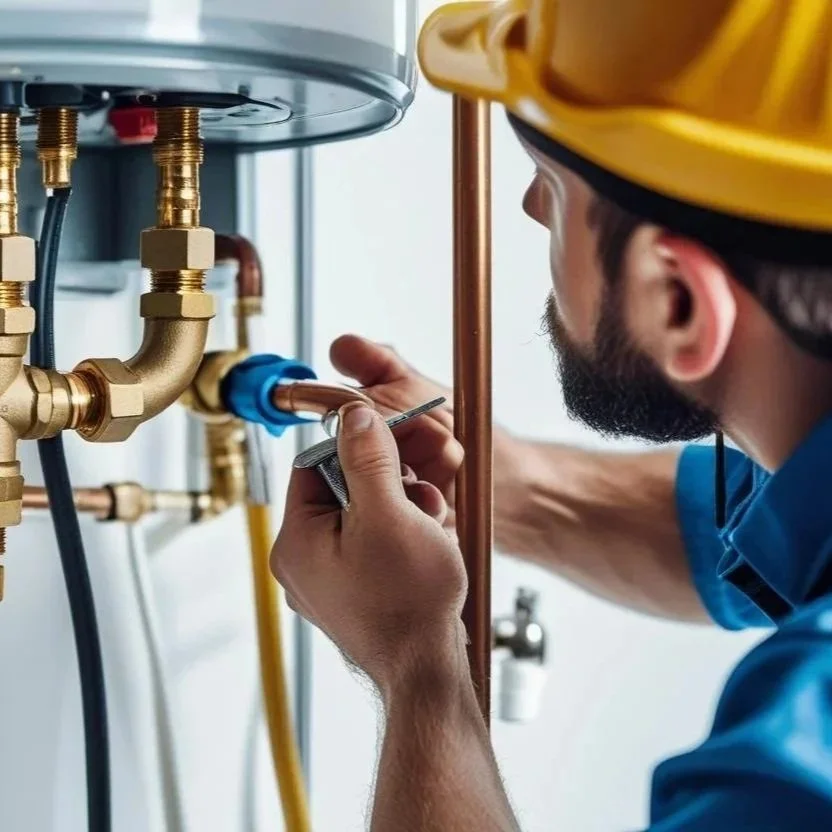
Hot water running out too fast frustrates homeowners because it often feels sudden and unpredictable.
Hot water running out too fast frustrates homeowners because it often feels sudden and unpredictable. One day, the system seems fine, and the next day, showers turn cold halfway through normal routines. Many people assume the water heater is simply too small or failing outright, but the real causes usually involve how the system is operating, how demand has changed, or how internal components have aged. Understanding why hot water runs out too fast requires looking at performance factors that develop quietly over time rather than dramatic, obvious failures.
Water heaters rarely lose capacity overnight without warning signs. Reduced hot water availability usually reflects efficiency loss, altered usage patterns, or internal conditions that limit how much usable hot water the system can actually deliver. Fixes that work address those underlying causes rather than masking symptoms. Identifying the true reason behind rapid hot water depletion helps homeowners restore reliable performance without unnecessary replacement.
Sediment Buildup Reducing Effective Tank Capacity
Sediment buildup ranks among the most common and misunderstood reasons hot water runs out too fast. Minerals present in water settle at the bottom of tank-style water heaters and gradually form a dense layer. While the tank size remains unchanged on paper, sediment occupies space that should hold hot water. As the buildup thickens, usable hot water volume shrinks even though the system still heats to the same temperature setting.
Sediment also insulates the bottom of the tank, forcing heating elements or burners to work harder and longer. Water trapped beneath sediment heats unevenly and contributes to inefficiency. Homeowners may notice popping noises, longer recovery times, and faster depletion during normal use. Flushing removes loose sediment and restores capacity, but hardened deposits require consistent maintenance over time to prevent recurring performance loss.
Thermostat Settings And Calibration Problems
Thermostat issues cause hot water to run out too fast without an obvious mechanical failure. A thermostat set too low delivers less usable hot water even when the tank is full. Lower temperature means more cold water mixing occurs at fixtures, which drains hot water reserves faster during showers or appliance use.
Calibration drift also contributes to inconsistent performance. Thermostats may misread water temperature, shutting off heating prematurely or cycling inefficiently. This behavior reduces effective output without changing visible settings. Adjusting and calibrating thermostats restores proper heating cycles and improves available hot water without increasing tank size or energy waste.
Failing Heating Elements Or Burners
Partial component failure often escapes detection because the system continues operating, just not efficiently. Electric water heaters rely on multiple heating elements. When one element fails, the system still produces hot water, but at reduced capacity and slower recovery. Hot water runs out quickly because only part of the tank reaches the proper temperature.
Gas water heaters experience similar issues when burners become dirty, misaligned, or partially restricted. Reduced flame efficiency limits heat transfer, lowering recovery speed. These conditions worsen gradually, making it easy to misinterpret the problem as higher usage rather than reduced output. Repairing or replacing faulty components restores full heating performance and extends system life.
Changed Household Usage Patterns
Hot water demand changes over time, often without homeowners realizing it. New occupants, altered work schedules, additional appliances, or longer showers all increase peak demand. When multiple fixtures operate closer together, hot water reserves deplete faster, even though the system itself remains unchanged.
Seasonal changes also affect usage. Colder incoming water during cooler months requires more energy to heat, reducing effective capacity. Water heaters sized for past usage patterns may struggle as routines evolve. Recognizing how lifestyle changes affect demand helps determine whether behavioral adjustments or system upgrades provide the best solution.
Dip Tube Damage Inside The Tank
The dip tube directs incoming cold water to the bottom of the tank so it heats properly before reaching outlets. When a dip tube cracks or deteriorates, cold water enters near the top of the tank and mixes immediately with hot water. This mixing cools the output rapidly, making hot water run out far sooner than expected.
Dip tube failure often produces sudden changes in water temperature without noise or visible leaks. Showers may turn lukewarm quickly, even though the tank appears functional. Replacing the dip tube restores proper stratification inside the tank and dramatically improves usable hot water without replacing the entire system.
Improper Water Heater Sizing
Undersized water heaters struggle during peak demand periods. A tank that worked adequately for past routines may no longer meet household needs as usage increases. While oversizing wastes energy, undersizing creates chronic frustration that no amount of maintenance fully resolves.
Sizing must account for peak-hour demand rather than total daily use. Back-to-back showers, appliance use, and sink demand combine during busy periods. Accurate sizing considers recovery rate and first hour output rather than tank gallons alone. When a size mismatch exists, replacement or supplemental solutions deliver more reliable results than repeated adjustments.
Faulty Mixing Valves Or Cross Connections
Mixing valves regulate output temperature by blending hot and cold water. When these valves fail or stick, excessive cold water enters the mix, cooling output prematurely. Hot water appears to run out quickly, even though the tank remains hot.
Cross connections between hot and cold lines create similar symptoms. A single faulty fixture or valve can bleed cold water into hot lines throughout the home. Diagnosing these issues requires isolating fixtures and evaluating system behavior rather than focusing solely on the water heater itself.
Aging Tanks And Internal Wear
As water heaters age, internal wear reduces efficiency even when no single component fails outright. Corrosion, scale, and material fatigue limit heat transfer and usable capacity. Older tanks often require longer heating cycles and deliver less hot water per cycle.
At a certain point, maintenance yields diminishing returns. Repeated issues with hot water availability often indicate that internal deterioration has progressed beyond practical repair. Evaluating age alongside symptoms helps determine when replacement offers better reliability than continued troubleshooting.
Why Quick Fixes Often Fail Long Term
Temporary adjustments like raising thermostat settings may provide short-term relief, but often accelerate wear and energy use. These fixes mask underlying problems rather than solving them. Real solutions address root causes such as sediment, component failure, or sizing mismatch.
Effective fixes restore system efficiency and capacity rather than compensating for loss. Proper diagnosis prevents repeated frustration and avoids unnecessary strain on aging equipment. Long-term reliability depends on correcting causes rather than chasing symptoms.
FAQs
Common causes include sediment buildup, failing heating components, thermostat issues, or increased household demand. These factors reduce usable hot water even if the tank size has not changed.
Flushing removes sediment that reduces capacity and efficiency. It often improves performance when buildup is the primary issue.
Raising the temperature may help temporarily, but it increases energy use and wear. It does not address underlying causes like sediment or component failure.
If hot water runs out during normal peak usage despite proper maintenance, sizing may be insufficient. Evaluation should focus on peak demand rather than daily usage.
Replacement becomes appropriate when age, repeated performance issues, and internal wear outweigh the benefits of repair or maintenance.