Why An Outdated Water Meter Could Be Costing More Than Expected
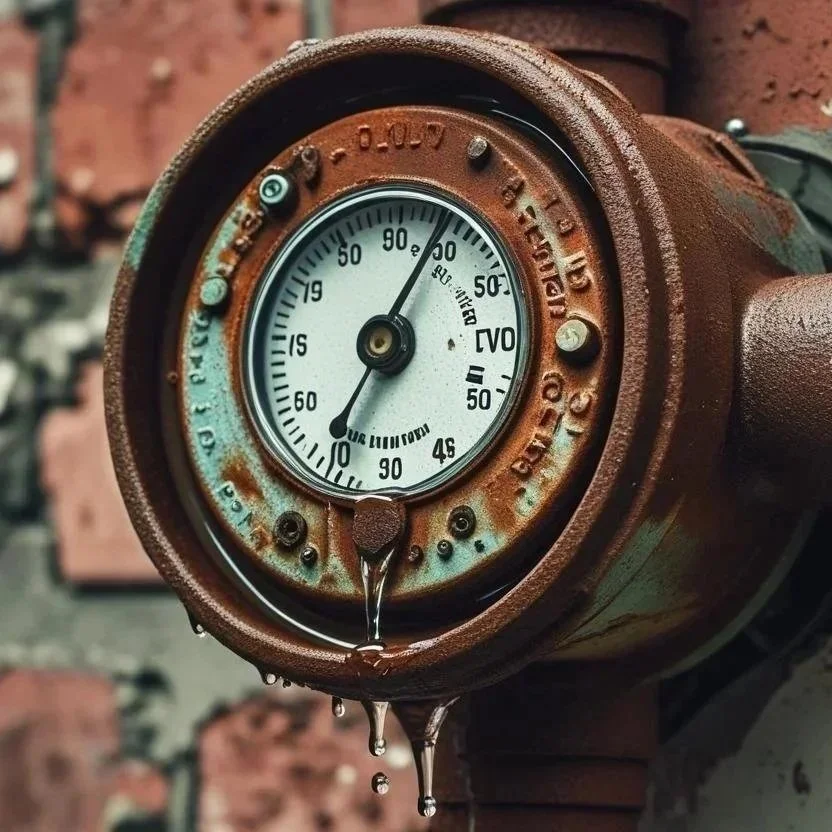
Understanding the risks of an outdated water meter is important to keeping your plumbing system running smoothly and avoiding unexpected expenses.
Water meters play a crucial role in how we track our water usage and control costs. But what happens when your water meter becomes outdated or malfunctions? It might seem like a minor issue, but an old or faulty meter could be driving up your water bills in ways you wouldn't expect. In some cases, it could even go unnoticed, leaving you with higher costs and unnecessary stress. Understanding the risks of an outdated water meter is important to keeping your plumbing system running smoothly and avoiding unexpected expenses.
The Hidden Costs of an Old Water Meter
An outdated water meter isn't just a minor inconvenience—it can result in paying for more water than you actually use. Over time, meters wear down or experience inaccuracies due to corrosion, sediment buildup, or age. When these issues arise, your meter may overestimate your water consumption, leading to inflated bills. If you're not keeping track of your usage, these inaccuracies might go undetected for months or even years, causing you to pay for water you never used.
Moreover, old meters might not account for the modern, more efficient water fixtures in your home. If you've recently upgraded to low-flow toilets, showerheads, or appliances that use less water, but your meter is still calculating usage based on outdated standards, the discrepancy could be substantial. This means you could be paying more than necessary, even if your actual consumption has dropped.
How a Faulty Meter Impacts Your Plumbing System
In addition to overcharging you for water, an outdated or malfunctioning meter can also put a strain on your plumbing system. A meter that doesn't accurately monitor water pressure or flow can contribute to issues with water distribution throughout your home. Over time, this could result in fluctuating water pressure, leaks, or reduced efficiency in your plumbing fixtures. These small problems can add up, leading to costly repairs down the road.
Replacing a faulty meter can help restore balance to your plumbing system. With a new, accurate meter in place, your water consumption will be monitored correctly, and you'll be able to keep a closer eye on how much water you're using. If your system has been overcharging you for months, a new meter can help reset your baseline usage, allowing you to see immediate improvements in your water bills.
When to Replace Your Water Meter
It's not always easy to know when it's time to replace your water meter. Sometimes, the signs are subtle, and a small issue could snowball before you even notice. If you've recently received an unexpectedly high water bill, or if your meter shows no signs of activity even when you know you've used water, it might be a sign that your meter is malfunctioning.
Another clue that it might be time to replace your meter is an inconsistency in your water bills. If you notice that your usage seems to fluctuate drastically with no explanation—especially if you haven't changed your habits or added new water-consuming appliances—it's worth having your meter inspected. Also, if your home has an older meter that hasn't been replaced in decades, the chances of wear and tear or malfunctions increase. A professional plumber can assess your meter's condition and determine if it's time for an upgrade.
Benefits of Upgrading to a Modern Water Meter
Upgrading to a newer water meter provides several key benefits that go beyond just accurate billing. Today's modern meters are often more reliable, offering real-time tracking of water usage and sending alerts if unusual patterns are detected. Some advanced meters even provide a direct link to your utility company, allowing for quicker identification of leaks or inefficiencies. With this level of detail, you can proactively manage your water usage, spot potential issues before they escalate, and make more informed decisions about your plumbing system.
Additionally, modern water meters are designed with greater durability and efficiency in mind. They are less likely to corrode or suffer from mineral buildup, which means they'll last longer and provide more accurate readings over time. By investing in a replacement meter, you're not only protecting your wallet from overcharges, but you're also future-proofing your plumbing system.
What to Expect During a Meter Replacement
Replacing a water meter is a mostly straightforward process for professionals, though it does require some expertise. A licensed plumber will first assess your current meter to determine if it's functioning correctly or needs replacement. If it's time for a new meter, the plumber will carefully disconnect the old one and install the new model, verifying that all connections are secure and accurate. They'll also test the system to make sure that the meter is properly tracking your water usage.
Depending on local regulations, you might need to contact your water utility company to schedule a meter replacement. Some municipalities offer free or low-cost meter replacement programs, especially for older systems, so be sure to check with your local water provider to see if you qualify.
How to Maintain Your Water Meter
Once you've replaced your outdated water meter, taking steps to maintain it can prolong its life and performance. Regularly inspect the meter for signs of wear, and keep an eye on your water usage. If you notice any inconsistencies or issues with water pressure, don't hesitate to call a plumber for an inspection. While modern meters are designed to be durable, it's always a good idea to stay on top of maintenance to avoid unexpected problems.
Conclusion
An outdated water meter can silently affect your plumbing system and your wallet. It can lead to inflated water bills, inefficient water use, and even long-term damage to your pipes. By staying vigilant and replacing your old meter when needed, you can keep your water usage in check, prevent unnecessary costs, and maintain a more efficient plumbing system overall. If you're unsure about the condition of your water meter, don't hesitate to reach out to a professional plumber for an assessment. Replacing an outdated meter might just be the smartest investment you make in your home's plumbing system.
Trust Adaven Plumbing for an effectively and efficiently functioning residential plumbing system. We offer drain cleaning, water leak detection and repair, toilet repairs, home repiping, faucet repair and replacement, and plumbing maintenance solutions in Las Vegas. We have a team of licensed technicians who deliver quality work and 24-hour emergency assistance. Call today to schedule a free onsite estimate.