
Garbage Disposal Stops Mid-Use Overload Vs Motor Failure
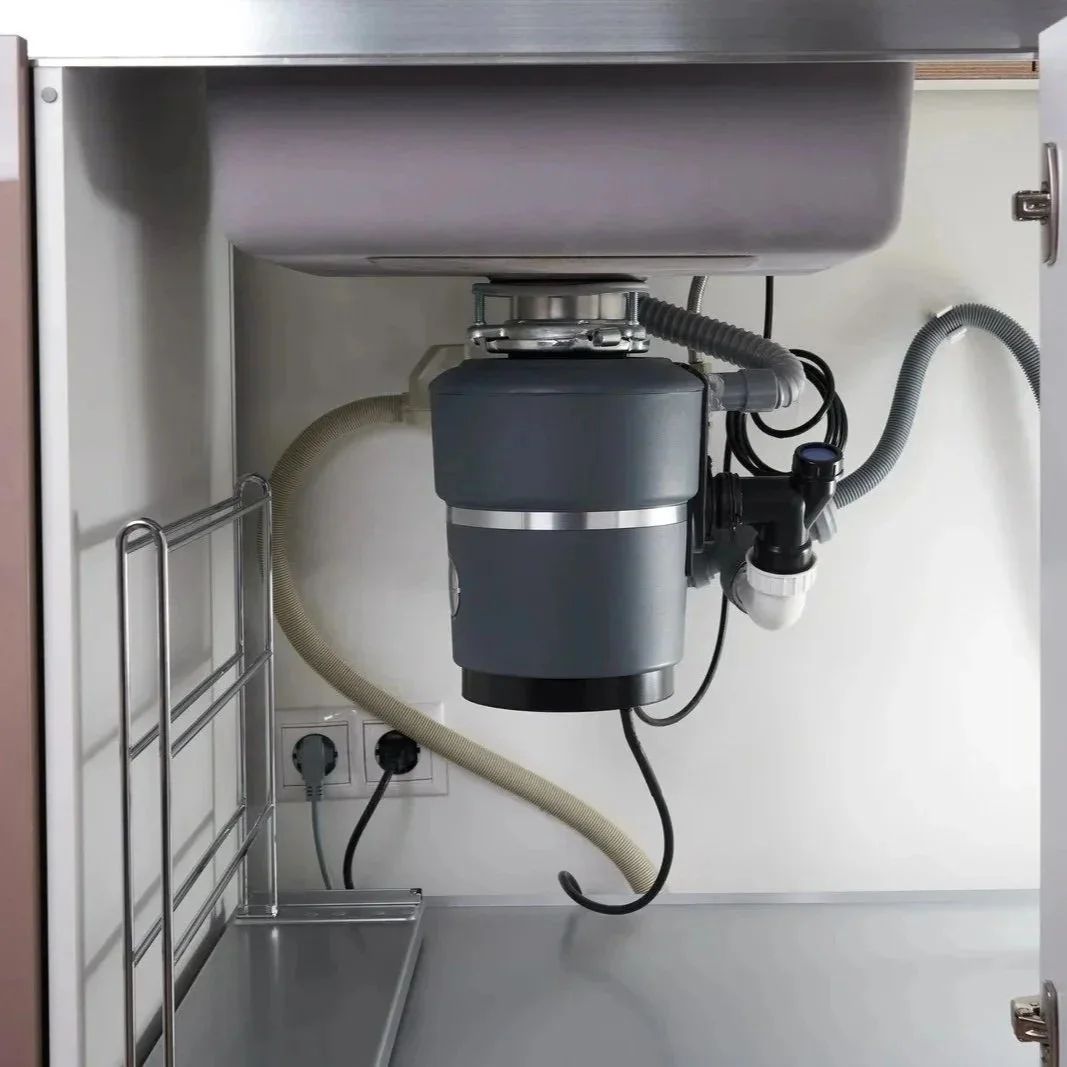
A disposal that stops mid-use behaves differently from one that never starts. Startup failures usually indicate immediate resistance or electrical interruption.
A garbage disposal that suddenly shuts off in the middle of operation can feel alarming because it interrupts the task instantly and leaves the sink unusable. One moment, the disposal is grinding normally, and the next moment, it goes silent or hums briefly before stopping. This behavior usually points to a protection response or a mechanical limitation rather than a random failure. Understanding whether the shutdown comes from an overload condition or an actual motor failure determines whether the unit can be safely restored or whether replacement is the only responsible option.
Disposals are designed with safeguards that stop operation when conditions exceed safe limits. Those safeguards protect the motor from overheating, but they also create symptoms that look similar to permanent failure. The challenge for homeowners lies in recognizing which shutdowns are protective and temporary versus which signal that internal components can no longer function reliably. The distinction matters because repeated attempts to restart a failing motor often turn a repairable situation into a complete breakdown.
Why Garbage Disposals Stop Mid-Use Instead Of At Startup
A disposal that stops mid-use behaves differently from one that never starts. Startup failures usually indicate immediate resistance or electrical interruption. Mid-use shutdowns happen after the motor has already been working under load. That sequence suggests heat buildup, rising resistance, or internal wear reaching a threshold during operation rather than blocking rotation at the outset.
As food grinds, resistance fluctuates. Dense or fibrous material increases load gradually. The motor draws more current, heat rises, and protective systems activate when limits are reached. In other cases, internal motor components weaken over time and lose efficiency. They may run briefly, then fail once stress increases. Observing when the shutdown occurs offers critical clues about which condition is present.
How Overload Protection Works Inside A Disposal
Most disposals include a thermal overload protector built into the motor housing. This device monitors heat generated by the motor windings. When the temperature rises beyond a safe range, the protector interrupts power to prevent permanent damage. The disposal stops abruptly, often without warning.
This overload response is intentional and protective. It prevents insulation breakdown and motor burnout. After cooling, power can usually be restored by pressing the reset button. However, the overload does not activate randomly. It trips because the motor encountered sustained resistance or excessive load during use.
Common Causes Of Overload During Normal Use
Overload shutdowns most often result from excessive food volume or inappropriate waste. Large amounts of waste packed into the chamber reduce space for centrifugal movement. Fibrous foods wrap around the impeller and restrict rotation gradually rather than stopping it instantly. Grease and starchy foods bind material together, increasing resistance as grinding continues.
In these cases, the disposal starts normally, then struggles as resistance increases. The motor works harder, draws more current, and heats up until the overload protector trips. The unit may feel hot to the touch and restart only after cooling. This pattern strongly suggests overload rather than motor failure.
Why Repeated Overloads Point To A Bigger Problem
Occasional overloads happen in many households and do not necessarily indicate failure. Repeated overload shutdowns under light or moderate use signal a deeper issue. Internal components may be worn, corroded, or misaligned, reducing efficiency and increasing heat generation.
As disposals age, bearings develop friction, grinding rings lose texture, and impellers loosen. These changes force the motor to work harder for the same task. Overload trips become more frequent even with normal usage habits. At this stage, the overload system is doing its job, but it is also revealing declining mechanical health.
How Motor Failure Causes Mid-Use Shutdowns
Motor failure behaves differently from overload protection, even though the symptom looks similar. A failing motor may stop mid-use because internal windings overheat unevenly, insulation degrades, or electrical components lose integrity. Unlike overload situations, these shutdowns may occur with minimal load or even an empty chamber.
In motor failure scenarios, the reset button may restore power briefly or not at all. The disposal may restart weakly, run for a few seconds, then shut off again. The motor may emit unusual smells or sounds. These signs indicate that protective systems are no longer the primary issue. The motor itself cannot sustain operation.
Why A Disposal May Stop Without Tripping The Reset
Not all shutdowns involve the reset button. Some motor failures interrupt power internally without activating the external reset. Internal thermal fuses or electrical faults may open the circuit permanently or intermittently.
In these cases, pressing the reset does nothing. Power does not return, or it returns unpredictably. This behavior often confuses homeowners because the familiar reset solution fails. Lack of reset response strongly suggests motor or internal electrical failure rather than overload.
How Heat Differentiates Overload From Failure
Heat behavior offers valuable insight. Overload shutdowns usually follow noticeable heat buildup. The disposal feels warm or hot, and operation resumes only after cooling. Motor failure may cause shutdowns without significant heat or may generate excessive heat even under no load.
A disposal that stops mid-use and remains warm for an extended period despite light use indicates inefficiency and internal wear. Heat that builds rapidly with minimal resistance points toward motor deterioration rather than user behavior.
Why Restarting Repeatedly Makes Things Worse
Repeatedly restarting a disposal that stops mid-use accelerates damage. Each restart forces current through stressed windings and bearings. Overload protectors may trip repeatedly, but motor insulation continues to degrade.
What begins as a manageable overload condition can evolve into permanent motor failure if the root cause is ignored. Restarting without addressing resistance, wear, or usage habits shortens remaining lifespan significantly.
How To Test Whether The Issue Is Overload Or Motor Failure
A simple observation sequence helps differentiate causes. After the shutdown, allow the disposal to cool fully. Clear the chamber completely. Manually rotate the impeller using the bottom wrench to confirm free movement. Restore power and run the disposal with only water.
If the unit runs smoothly under no load and remains operational, overload is likely the cause. If it stops again quickly, hums weakly, or fails to restart reliably, motor failure becomes the more probable diagnosis. This test isolates load-related issues from internal electrical problems.
Why Electrical Supply Issues Rarely Cause Mid-Use Stops
Household electrical problems usually cause complete power loss rather than mid-use shutdowns. Tripped breakers or faulty switches interrupt power immediately. They do not typically allow a disposal to run normally and then stop repeatedly.
While low voltage or shared circuits can worsen overload conditions, they rarely act alone. Electrical supply issues usually amplify existing mechanical stress rather than create the problem independently.
When Overload Shutdowns Can Be Corrected
Overload-related shutdowns can often be corrected by adjusting usage habits. Feeding waste gradually, avoiding fibrous or starchy foods, and using proper water flow reduces resistance. Clearing the buildup and allowing the disposal to cool prevents repeated trips.
In some cases, cleaning internal residue and reducing grease accumulation restores efficiency enough to reduce overload frequency. These corrections work best when internal components remain in good condition.
When Motor Failure Means Replacement
Replacement becomes necessary when the disposal stops mid-use under light load, fails to restart consistently, or shows signs of internal electrical damage. Burning odors, weak startup, erratic behavior, and lack of response to the reset button indicate that the motor has reached the end of its service life.
Continuing to use a failing motor risks sudden complete failure and inconvenience. Replacement restores reliability and prevents unpredictable shutdowns during normal use.
Why Waiting Rarely Improves The Situation
Mid-use shutdowns rarely improve without intervention. Overload conditions worsen as wear increases. Motor failure progresses as insulation degrades. Ignoring the issue leads to more frequent stoppages and eventual total failure.
Early recognition allows corrective action or planned replacement rather than emergency response. Understanding the difference between overload and failure empowers homeowners to act appropriately rather than guessing.
Preventing Future Mid-Use Shutdowns
Prevention focuses on respecting disposal limitations. Avoid dumping large volumes at once. Limit fibrous and grease-heavy waste. Use cold water generously during operation to flush debris. Listen for changes in sound and response.
Addressing early signs of strain prevents overload protectors from becoming routine. Proper habits extend lifespan and reduce the likelihood of sudden shutdowns.
FAQs
Most mid-use stops occur because the motor overheats from overload or internal wear and shuts down for protection.
If the disposal runs normally after cooling and clearing the chamber, overload is likely. If it stops again under light use, motor failure is more likely.
No. Repeated resets without fixing the cause accelerate motor damage.
Some warmth is normal during use. Excessive heat or frequent shutdowns indicate a problem.
Replacement is recommended when shutdowns occur under minimal load, the reset no longer restores operation, or internal wear causes repeated failure.
Call Adaven Plumbing for affordable and lasting tankless water heater installations, water filtration, water softeners, garbage disposal installation, garbage disposal repair, and garbage disposal replacement. Our team stays up-to-date on the current plumbing techniques and technology. Enjoy affordable pricing and same day service. We offer on-time and reliable services. Call today to book an appointment.