
Water Heater Leaking: What To Do Immediately And When It Is a Replace-Now Situation
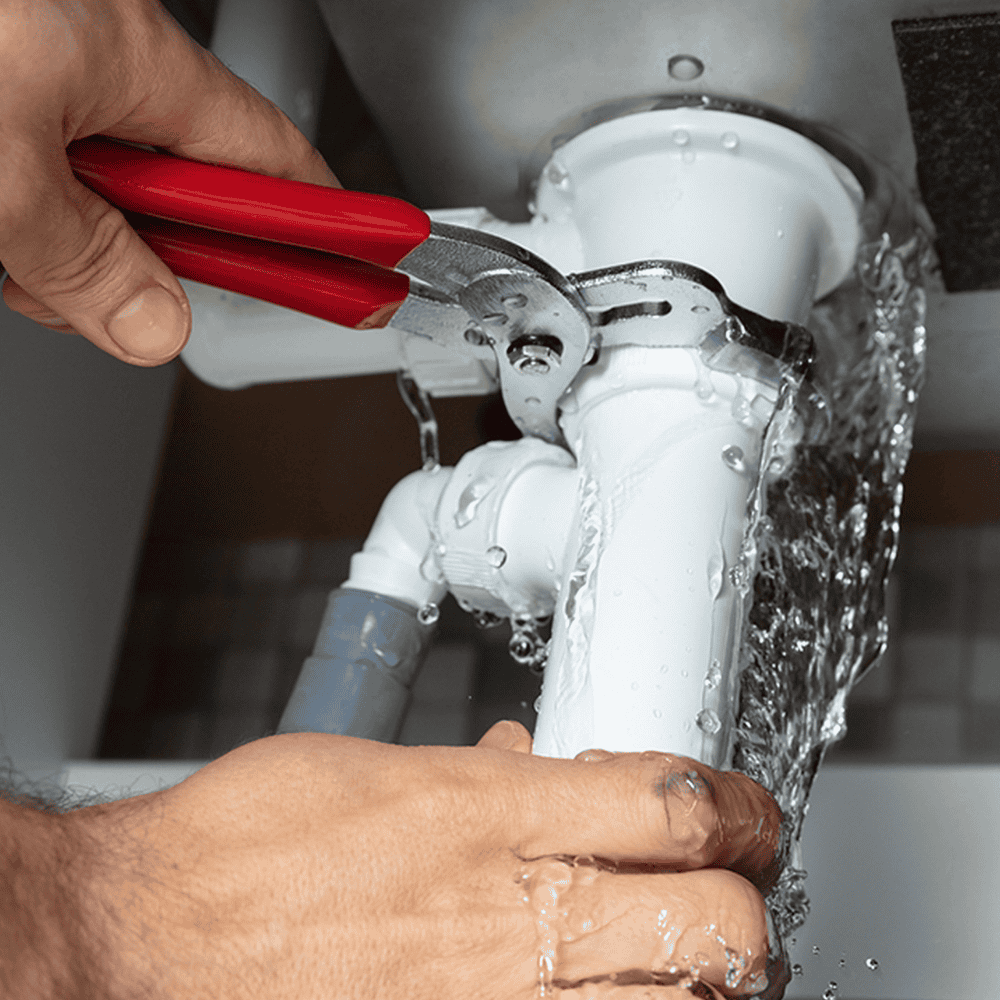
A leaking water heater creates instant anxiety because water damage spreads fast, and the source often feels uncertain.
A leaking water heater creates instant anxiety because water damage spreads fast, and the source often feels uncertain. Some leaks signal minor component issues that respond well to prompt action, while others indicate internal tank failure that cannot be repaired. Knowing how to respond in the first moments after discovering a leak helps limit damage and clarifies whether the situation allows for repair or demands immediate replacement. Water heater leaks rarely improve on their own, and delays often turn manageable problems into expensive emergencies.
Leaks originate from multiple locations depending on system age, design, and operating conditions. Valves, fittings, internal corrosion, and pressure-related failures all present differently. Understanding where the leak comes from and what it means allows homeowners to act decisively rather than guessing under stress. The steps taken in the first hour often determine whether damage stays localized or spreads through flooring, cabinetry, and surrounding structures.
What To Do Immediately When You Discover A Water Heater Leak
The first priority after discovering a water heater leak involves controlling water flow and reducing risk. Shutting off the cold water supply valve feeding the heater stops additional water from entering the tank. This step limits further leakage regardless of where the problem originates. For electric units, turning off the power at the breaker reduces the electrical hazard. For gas units, setting the control to pilot mode minimizes burner operation while maintaining safe conditions.
After isolating water and power, draining the surrounding area helps prevent secondary damage. Towels, wet vacuums, and floor drains reduce moisture exposure to nearby materials. Even small leaks can saturate subfloors and walls if ignored. These immediate actions buy time for assessment without escalating damage. Avoid restarting the system until the leak source is identified, since pressure and heat often worsen the problem once water flow resumes.
Common External Leak Sources That May Be Repairable
Some water heater leaks originate from external components rather than the tank itself. Temperature and pressure relief valves occasionally drip when pressure fluctuates or when sediment interferes with sealing. Drain valves may leak due to worn seals or loose fittings. Inlet and outlet connections sometimes seep when thermal expansion loosens threaded joints.
These leaks typically appear near the top or sides of the unit and often worsen slowly rather than catastrophically. Repairs usually involve replacing valves, tightening connections, or addressing pressure regulation issues. When caught early, these problems rarely require full replacement. Visual inspection often reveals moisture trails or corrosion localized to fittings rather than widespread pooling beneath the tank.
Leaks From The Bottom Of The Tank And Why They Matter
Water pooling beneath the tank raises greater concern because bottom leaks often indicate internal corrosion or structural failure. Sediment accumulation traps heat against the tank floor, degrading protective linings over time. Once corrosion penetrates the steel shell, water escapes directly from the tank body rather than through serviceable components.
Bottom leaks typically persist even after shutting off the inlet water because residual tank contents continue draining. These leaks rarely respond to repair because the tank itself has failed. Continued operation risks sudden rupture, which releases the full tank volume rapidly. Bottom leakage almost always qualifies as a replace-now situation due to the inability to restore structural integrity safely.
How Pressure And Expansion Contribute To Leaks
Water heaters operate under constant pressure, and thermal expansion amplifies stress during heating cycles. Without proper expansion control, pressure builds inside the tank and connected piping. Over time, this stress weakens joints, valves, and internal linings. Leaks caused by pressure issues may appear intermittently at first, often during heating cycles.
Homes lacking expansion tanks or pressure regulation experience higher failure rates. Even well-maintained tanks suffer when pressure exceeds design limits repeatedly. Addressing pressure issues early helps prevent minor leaks from evolving into full tank failure. Ignoring pressure symptoms shortens system lifespan and increases the likelihood of sudden leaks.
Age As A Primary Factor In Leak Severity
Water heater age plays a critical role in determining repair viability. Most tank water heaters operate reliably for eight to twelve years, depending on water quality and maintenance. As systems age, internal corrosion progresses even when external performance appears normal. Leaks in older units often reflect cumulative damage rather than isolated defects.
When a leak appears near or beyond expected service life, replacement typically offers better long-term reliability than repair. Investing in repairs for aging tanks often delays failure briefly without addressing the underlying corrosion. Evaluating leak severity alongside system age provides a clearer picture of whether repairs make sense or simply postpone inevitable replacement.
When A Leak Signals Immediate Replacement
Certain conditions demand immediate replacement rather than continued evaluation. Visible corrosion along the tank body, active bottom leaks, or repeated leakage after prior repairs indicate structural compromise. Water heaters that leak while producing rusty or discolored water often suffer internal deterioration that cannot be reversed.
Replacement becomes urgent when leaks threaten electrical systems, structural materials, or safety. Attempting to operate a compromised tank increases the risk of sudden failure. Recognizing these warning signs prevents damage escalation and protects surrounding property.
Temporary Mitigation Versus Permanent Solutions
Temporary mitigation focuses on limiting damage rather than restoring operation. Catch pans, drainage redirection, and isolation buy time but do not resolve underlying failure. These measures help manage risk while arranging professional service or replacement.
Permanent solutions depend on accurate diagnosis. Repairable leaks respond to component replacement and pressure correction. Tank failures require full system replacement. Distinguishing between the two prevents wasted effort and repeated disruptions.
How Proactive Maintenance Reduces Leak Risk
Routine maintenance reduces the likelihood of unexpected leaks by addressing sediment buildup, pressure issues, and component wear before failure occurs. Flushing removes sediment that accelerates corrosion. Inspecting valves and fittings identifies early deterioration. Monitoring pressure helps prevent overloading.
Maintenance does not prevent all failures, but it shifts leak discovery earlier in the system's lifespan when repairs remain viable. Proactive care extends service life and reduces emergency replacement scenarios.
FAQs
Yes. Shut off the cold water supply immediately and turn off power or set gas controls to pilot to reduce risk and limit damage.
Some leaks from valves or fittings can be repaired. Leaks from the tank body usually require replacement.
No. Small leaks often worsen over time and can cause significant water damage if left unaddressed.
A leaking heater should not continue operating. Continued use increases pressure and damage risk.
Coverage varies. Sudden failures may qualify, while gradual leaks often do not. Policy review helps clarify coverage.