
Anode Rod 101: The 30 Dollar Part That Can Add Years To Your Water Heater’s Life
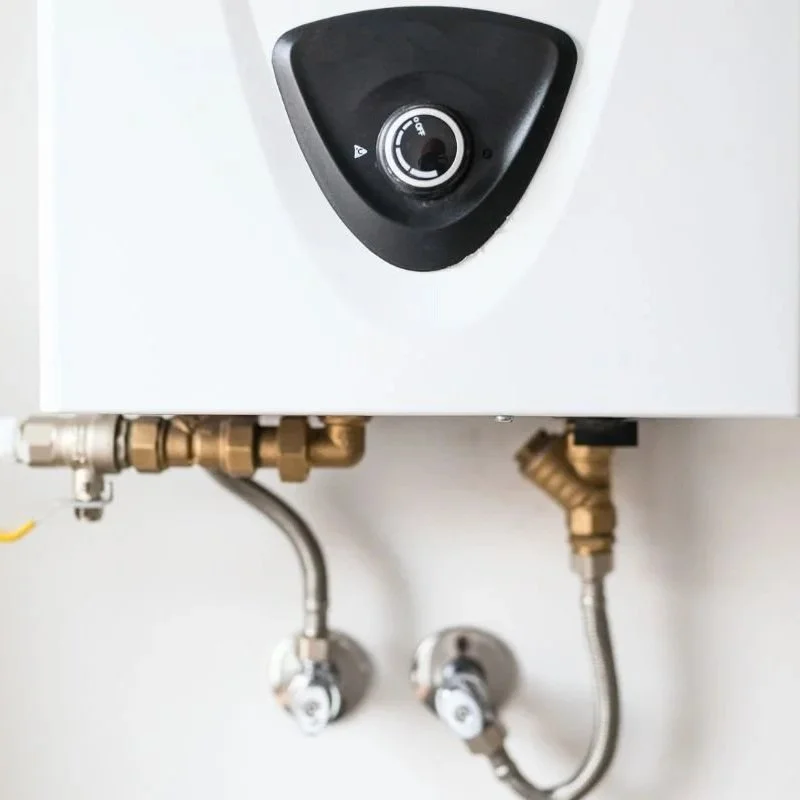
A wall-mounted electric water heater featuring brass pipe fittings and adjustable temperature control for efficient home water heating systems.
Most homeowners never think about what is happening inside their water heater until hot water turns rusty, smells strange, or disappears altogether. By the time problems show up, the damage often extends beyond simple repair. Hidden inside nearly every tank-style water heater is a small, inexpensive component designed specifically to prevent that outcome. The anode rod exists to sacrifice itself so the steel tank does not corrode. When it works as intended, it quietly adds years to the life of the water heater without drawing attention to itself.
The problem is not that anode rods fail unexpectedly. The problem is that they fail silently. Without inspection or replacement, the anode rod dissolves completely, and corrosion begins attacking the tank itself. Once the tank starts rusting from the inside, replacement becomes inevitable. Understanding how the anode rod works, why it matters, and what happens when it is ignored helps homeowners avoid premature water heater failure and costly emergency replacements.
What An Anode Rod Actually Does Inside A Water Heater
An anode rod is a long metal rod installed through the top of the water heater tank. Its job is not to heat water or regulate temperature. Its purpose is chemical protection. Steel tanks naturally want to corrode when exposed to water, especially heated water. The anode rod interrupts that process through a principle called galvanic corrosion.
The rod is made of a more reactive metal than steel, commonly magnesium, aluminum, or a combination of metals. When water contacts both the steel tank and the anode rod, corrosive activity targets the anode first. The rod corrodes instead of the tank walls. As long as the anode rod remains active, corrosion focuses on it rather than the tank, preserving the structural integrity of the heater.
Why Water Heaters Rust From The Inside Out
Water heater tanks corrode internally because they hold hot water continuously. Heat accelerates chemical reactions, including corrosion. Even tanks lined with protective coatings develop microscopic imperfections over time. Once water reaches bare steel, corrosion begins.
Without an anode rod, rust spreads quickly across the interior surface. Sediment settles at the bottom, holding moisture against steel and worsening corrosion. The anode rod slows or stops this process by diverting corrosive action away from the tank. When the anode disappears, the tank becomes the next target, and failure follows.
How Anode Rods Get Used Up Over Time
Anode rods are consumable by design. They slowly dissolve as they protect the tank. The rate of depletion depends on water chemistry, temperature settings, and usage patterns. Hard water, softened water, and high mineral content accelerate anode consumption.
In some homes, an anode rod lasts several years. In others, it can disappear in a surprisingly short time. Because the rod degrades gradually and invisibly, homeowners rarely notice until symptoms appear. By then, the tank may already be compromised.
What Happens When The Anode Rod Is Gone
Once the anode rod is depleted, corrosion shifts immediately to the tank itself. Rust forms on the interior walls and spreads beneath sediment layers. Early signs include discolored hot water, metallic taste, or popping noises as sediment builds up.
At this stage, replacing the anode rod may slow further damage, but cannot reverse existing corrosion. If the tank wall weakens enough, leaks develop. Tank leaks are not repairable. Replacement becomes the only option. This progression explains why a water heater can fail suddenly, even when it seemed fine weeks earlier.
Why Rotten Egg Smells Often Trace Back To The Anode Rod
Sulfur or rotten egg odors in hot water frequently involve the anode rod. Certain bacteria react with magnesium anode rods, producing hydrogen sulfide gas. This smell appears only in hot water and intensifies when water sits unused.
In these cases, the anode rod is still doing its job but interacting poorly with water chemistry. Replacing the rod with a different material, such as aluminum or a powered anode, often resolves the odor while maintaining corrosion protection. Ignoring the smell does not fix the underlying issue and often leads to accelerated rod depletion.
How Often Should Anode Rods Be Checked
Anode rods are not lifetime components. Most manufacturers recommend inspection every few years, though water conditions may justify more frequent checks. Homes with aggressive water chemistry benefit from earlier inspection.
Checking the rod involves removing it from the top of the tank and visually assessing how much material remains. A rod heavily pitted, coated, or reduced to a thin core wire has reached the end of its useful life. Replacing it at that point preserves the tank before corrosion spreads.
Why Anode Rod Replacement Extends Water Heater Life
Replacing an anode rod resets corrosion protection. A new rod resumes sacrificing itself, redirecting corrosive activity away from the tank walls. This simple replacement can add years of service life to a water heater that might otherwise fail prematurely.
The cost difference between replacing a rod and replacing a tank is substantial. A small investment in maintenance prevents emergency replacement, water damage risk, and loss of hot water during inconvenient times. This value makes anode rod maintenance one of the most effective preventative steps homeowners can take.
Why Many Water Heaters Fail Early Without Obvious Warning
Water heaters often fail internally before external symptoms appear. The anode rod may be gone for months or years before leaks develop. During that time, corrosion progresses quietly.
Because tanks are sealed, homeowners cannot see internal damage. By the time water appears around the base, the tank wall has already been compromised. Regular anode inspection interrupts this silent failure cycle and provides insight into the internal tank condition.
Types Of Anode Rods And How They Differ
Magnesium anode rods offer strong corrosion protection but deplete faster in certain water conditions. Aluminum rods last longer but may produce sediment in some systems. Powered anode rods use electricity to provide protection without dissolving, making them effective in aggressive water environments.
Choosing the right rod depends on water chemistry and household needs. The wrong choice can shorten rod lifespan or create odor issues. Proper selection improves protection while minimizing side effects.
Why Water Softeners Affect Anode Rod Life
Water softeners reduce mineral content but increase water conductivity. This condition accelerates anode rod depletion. Homes with softened water often consume rods faster than expected.
In softened water systems, neglecting the anode rod leads to rapid tank corrosion once the rod disappears. Adjusting inspection intervals and rod type becomes especially important in these setups to avoid early tank failure.
When Anode Rod Replacement Is No Longer Enough
If a tank already shows signs of advanced corrosion, replacing the anode rod cannot restore lost metal. Rust flakes in water, visible leaks, or severe sediment buildup indicate that the tank has passed the preventative stage.
In these cases, replacement planning becomes the safer approach. Anode maintenance works best as a proactive measure rather than a last attempt to save a failing tank.
Why Anode Rod Maintenance Gets Overlooked
Anode rods remain out of sight and out of mind. They do not affect daily water temperature or pressure directly. Because the heater continues working while the rod dissolves, homeowners assume everything is fine.
Education changes that perspective. Understanding that the rod sacrifices itself quietly reframes maintenance as protection rather than optional service. This awareness helps homeowners act before damage occurs.
How Anode Rod Replacement Fits Into Long-Term Ownership
Water heaters represent a major household investment. Extending lifespan through simple maintenance reduces long-term costs and disruption. Anode rod replacement pairs well with flushing and inspection as part of a broader care strategy.
Treating the water heater as a system rather than a disposable appliance yields better performance and fewer surprises. Anode maintenance supports that approach effectively.
FAQs
An anode rod is a sacrificial metal rod that corrodes instead of the steel tank, protecting the water heater from rust.
Lifespan varies by water quality, but many rods last several years before needing replacement.
Yes. Certain anode rods react with bacteria and create sulfur or rotten egg odors in hot water.
Yes. Replacing a depleted rod can add years to the life of a water heater at a low cost.
Without a functioning anode rod, the tank corrodes internally and eventually leaks, requiring full replacement.