
Warm Spot on the Floor but No Leak? What It Usually Means
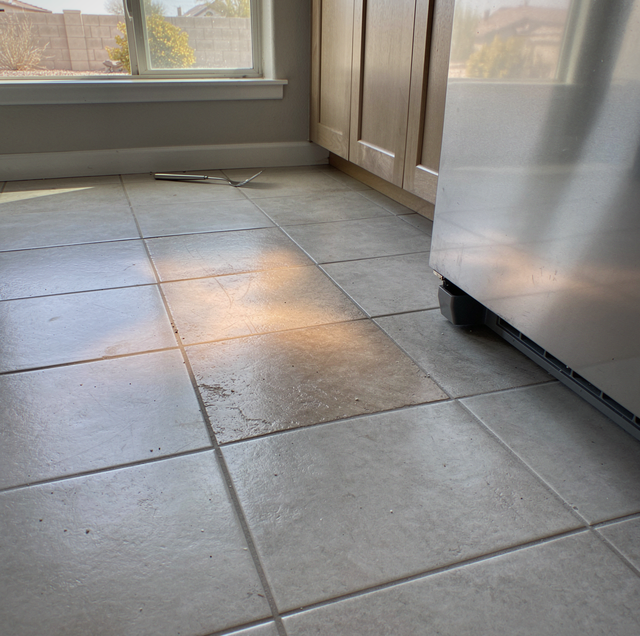
The Warm Patch You Notice While Walking Barefoot
It usually happens on an ordinary morning. You cross the kitchen or hallway in bare feet, and one section of tile feels noticeably warmer than the rest, almost like it sits over a heat source. There's no puddle, no damp grout, no smell, nothing that looks like a plumbing problem. Run your hand over it and the warmth is real, and it doesn't fade the way a patch of sunlit floor would. That sensation, warmth with zero visible moisture, is one of the more reliable early clues that a hot-water supply line is leaking somewhere beneath the concrete slab.
What it feels like: A soft, steady warmth concentrated in one spot, often near a bathroom, laundry room, or kitchen where hot-water lines run to fixtures.
What it isn't: A cold spot, a soft or spongy spot, or an area with any standing water. Those point to different problems and matter for how a plumber approaches diagnosis.
Why a Leaking Hot-Water Line Warms the Slab Above It
In a slab-on-grade home, copper or PEX supply lines run beneath the poured concrete floor before turning upward into the walls to reach faucets, showers, and appliances. When one of those hot-water lines develops a pinhole leak or a small split, hot water escapes continuously into the soil and gravel packed under the slab. Concrete is dense and conducts heat efficiently, so it absorbs the escaping warmth and carries it upward through the mass of the floor, much like a ceramic mug warms your palm from coffee you can't see inside it. The result on the surface is a patch of floor that stays warm around the clock, regardless of the thermostat setting or what's happening in the rest of the house.
The warm spot doesn't always sit directly above the leak. Water traveling beneath a slab tends to follow the path of least resistance, migrating along expansion joints, plumbing chases, or loose gravel before it reaches the surface. A leak near the water heater connection, for example, can sometimes show up as warmth several feet away, closer to a hallway or a bedroom wall.
Where mineral scale fits in: In hard-water areas, dissolved minerals coat the inside of copper piping over years of service, gradually narrowing and pitting the pipe wall from within. Internal corrosion is one of the more common paths to a pinhole failure, and it tends to affect hot-water lines first because heat accelerates the formation of mineral deposits.
How This Differs From Radiant Heat or Sun-Warmed Flooring
Not every warm patch means a leak, so it helps to rule out the ordinary explanations first. Homes with a radiant floor heating system will obviously run warm by design, and that warmth typically follows a predictable zone pattern tied to the thermostat rather than a single isolated patch. Sun exposure through a window can also warm dark tile or stone, but that warmth tracks the sun's position, fading as clouds roll in or as afternoon turns to evening, and it disappears entirely on a cloudy winter day, just as it would on an overcast summer one.
A slab leak behaves differently. The warm patch stays in the same location and holds roughly the same temperature whether it's midday or midnight, sunny or overcast. It's also frequently paired with other subtle signs worth noticing together: a water meter that keeps ticking even when every fixture in the house is off, a slight drop in hot-water pressure at the tap, or a water bill that's climbed without an obvious reason.
How a Plumber Confirms What's Under the Slab
Locating the exact source of a slab leak is specialized work, and it relies on equipment most homeowners won't have on hand. A plumber typically starts with acoustic or electronic leak detection, using a listening device that amplifies the faint hiss of pressurized water escaping through a break, then walks the suspected area to triangulate the loudest sound. Pressure testing follows, isolating the hot and cold branches of the system separately at the manifold or main shutoff, and monitoring for a pressure drop to confirm which line is compromised. A thermal imaging camera adds another layer of confirmation, reading surface temperature differences across the floor to map how far the warmth has spread and narrow down the likely leak path before any cutting begins.
Pipe material affects the process too. Copper transmits sound differently than PEX, so a technician adjusts equipment sensitivity and technique depending on what's running beneath that section of slab. Locating and confirming a leak is licensed-plumber work from start to finish; cutting into a foundation slab without professional diagnosis risks damaging additional lines or structural elements that aren't obvious from the surface.
What Happens If a Slab Leak Goes Unaddressed
A hot-water leak under a slab doesn't stay small. Left alone, water continues to migrate through the soil and gravel bed, gradually saturating a larger area and, over time, softening the ground that supports sections of the foundation. Moisture wicking upward through grout lines and adhesive can loosen tile, cause laminate or engineered wood to buckle at the seams, and leave carpet padding damp long enough to develop a musty odor. Baseboards and drywall near the affected wall sometimes show faint staining even though the leak itself is invisible. All the while, the water meter keeps recording usage that never shows up as a puddle, so utility costs climb quietly in the background.
What Repair Looks Like Once the Leak Is Located
Once a plumber pinpoints the leak, the repair generally takes one of two forms. A spot repair accesses that specific section of pipe directly and replaces the damaged segment in place. A reroute takes a different approach, abandoning the compromised under-slab section entirely and running a new copper or PEX supply line overhead through the attic or along an exterior wall to reach the fixture, avoiding the concrete altogether. Which option makes more sense often depends on the condition of the rest of the home's plumbing; if other sections of supply line are aging copper or older galvanized steel, a single slab leak sometimes turns into a broader conversation about repiping the home before more failures surface. That evaluation, like the leak location itself, belongs to a licensed plumber who can assess the whole system rather than just the one break.
Frequently Asked Questions
It varies with pipe size and water pressure, but a small pinhole leak in half-inch copper can warm the surrounding concrete enough to notice within a day or two of continuous seepage, since hot water conducts heat into concrete far faster than it evaporates or drains away; a larger split can produce a noticeable patch within hours.
Not reliably. Because water spreads sideways along expansion joints and gravel channels before reaching the surface, a leak that's been running for months can still produce a small patch smaller than a dinner plate, while a fresher, higher-pressure leak can spread across a much wider area in a short time.
It's uncommon but possible when hot and cold supply lines run close together in the same chase; heat can transfer slightly to the adjacent cold line. Plumbers rule this out by shutting off the water heater at the source and checking whether the floor's temperature drops over the following hours.
Turn off every fixture and appliance in the house, note the exact reading on the water meter, then check it again after one to two hours without using any water; if the number has moved, water is escaping somewhere in the system even without a visible leak.
Copper is vulnerable to interior pitting from mineral-heavy water over time; older galvanized steel corrodes from rust buildup inside the pipe wall; and polybutylene piping installed in some homes between the late 1970s and mid-1990s is known for brittle failure at fittings; PEX tends to hold up better against these specific failure modes.
Yes, though it can take longer to notice, since carpet and its padding insulate against heat somewhat; homeowners often catch it first as damp padding underfoot or a faint musty smell developing before the warmth itself becomes obvious to the touch.
A warm patch on an otherwise dry floor is one of the few signs of a slab leak a homeowner can catch before real damage sets in, long before tile pops loose or ceilings stain. Treat it as a clue worth checking rather than a curiosity, and let a plumber's equipment confirm what's actually happening beneath the concrete before any repair decision gets made.
Schedule a slab leak inspection — get the warm spot diagnosed with proper detection equipment before it spreads. Adaven Plumbing serves Las Vegas and the surrounding area. Call (702) 766-3320.