
The Top Warning Signs of a Slab Leak
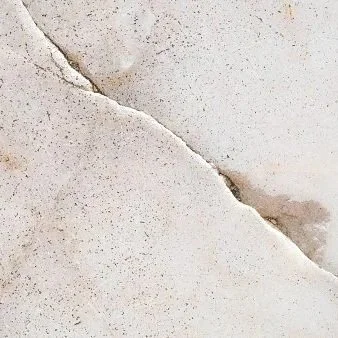
Homes built on concrete slabs offer many advantages, including reduced construction costs, pest resistance, and a durable foundation. However, they also come with one hidden risk—slab leaks. A slab leak occurs when water lines running beneath your home’s concrete foundation begin to leak. Because the plumbing is buried under solid concrete, these leaks are often difficult to detect until damage is already underway.
Knowing the warning signs of a slab leak helps homeowners act quickly before small leaks turn into major structural or water damage. Licensed plumbing professionals use specialized tools and proven methods for under slab leak detection, helping identify and repair issues early to protect your foundation, flooring, and plumbing system.
What is a slab leak
A slab leak is a plumbing leak under a home’s concrete foundation. It can occur in pressurized water lines or in drain pipes embedded within or directly beneath the slab. A plumbing leak under the slab may develop for several reasons, including corrosion, pipe abrasion, poor installation, ground movement, or high water pressure.
Because the leak happens out of sight, the early slab leak signs are often subtle—like warm spots on the floor, unexplained water bills, or the smell of mildew in the house. Over time, a slab leak can erode the soil under the foundation, causing structural instability and damage to flooring or drywall.
Plumbers specializing in under slab leak detection can locate the problem using tools such as pressure tests, moisture sensors, and infrared imaging. Detecting a water line slab leak early prevents expensive repairs and helps preserve your home’s foundation.
The importance of early detection
Early detection is key to minimizing damage from a slab leak. A water leak under the slab doesn’t stay small for long—once the pipe is compromised, constant water pressure widens the hole and increases the flow. The longer the leak continues, the greater the risk of foundation cracks, warped floors, and mold growth.
Homeowners often ask how to know if they have a slab leak or how to find a water leak under a concrete floor without digging. The answer lies in recognizing the symptoms early and calling a professional plumber equipped with non-invasive detection technology.
Foul odors
One of the most common signs of a slab leak is a mildew smell in the house. When moisture collects beneath the slab, it creates a damp environment perfect for mold growth. Over time, this moisture seeps upward through concrete and flooring, carrying the smell of mildew into your living spaces.
A broken drain pipe under the slab can also cause unpleasant odors, especially if wastewater is leaking. If you smell musty or earthy odors that don’t go away after cleaning, it’s time for a professional inspection. These odors indicate a plumbing leak under the slab that could threaten both structural integrity and indoor air quality.
Water pooling
Unexplained puddles of water indoors or around your home’s exterior foundation are strong indicators of a slab leak. If water is appearing in the middle of your floor, near baseboards, or outside along the perimeter of your home, a concrete slab water leak may be the cause.
Even if you suspect water leaking from the roof, don’t rule out the possibility of a leak under the slab. A professional plumber can determine whether the moisture originates from the foundation or above. Pooling water from leaks under concrete is a sign of significant pressure loss in your system and requires immediate repair.
Warm areas on the floor
Feeling warm spots on your flooring—especially in one consistent area—is one of the most distinctive slab leak symptoms. This usually means there’s a hot water leak under the slab. As the water escapes, it transfers heat upward through the flooring, creating localized warmth.
Professionals use thermal imaging cameras to locate these temperature variations accurately. If your home’s hot water system seems to run constantly or your floors feel unusually warm, you may have a leaking slab beneath you.
Floor damage
A leaking slab often leads to visible floor damage. Hardwood floors can buckle or warp, while tiles may loosen or crack from the underlying moisture. Carpeted areas may develop dark stains or damp patches that persist even in dry weather.
When you see these signs of a slab leak, it’s crucial to contact a plumber immediately. They’ll not only repair the leak but also assess whether water has caused secondary damage to subflooring or support materials.
Low water pressure
Another red flag is a sudden drop in water pressure throughout your home. If multiple fixtures—sinks, showers, and outdoor spigots—are affected simultaneously, you could be dealing with a slab plumbing leak.
Because water is escaping before it reaches your fixtures, pressure loss becomes noticeable. If you’re wondering how to tell if you have a slab leak or why your home’s pressure suddenly dropped, a professional can perform a system-wide pressure test to identify the source of the leak.
Unexplained increases in water bills
If your water bill is climbing without a clear reason, you may have a hidden water leak under the concrete floor. Slab leaks often run continuously, wasting gallons of water each day without any visible signs inside the home.
To test this, shut off all fixtures and appliances, then check your water meter. If it continues to move, you may have a slab water leak. Professional plumbers can confirm the diagnosis and locate the problem without breaking through the slab unnecessarily.
Sounds of running water
Hearing the sound of running or hissing water when no fixtures are in use is another common warning sign. The noise may come from beneath your floor, behind walls, or near your foundation. These sounds usually mean that water is actively leaking from a pipe under the slab.
If you notice these sounds, it’s best to contact a plumber specializing in under slab leak detection. Using acoustic listening devices, they can pinpoint the exact source of the leak quickly and accurately.
Persistent moisture problems
Recurring damp spots, mold growth, or unexplained humidity inside your home may all point to a leak under concrete. Water from a slab leak can migrate upward through porous materials, leading to persistent dampness in flooring or baseboards.
If you’ve dealt with repeated moisture issues in the same area—even after repairs—it may be time for a thorough slab leak inspection. Professionals can locate the leak and restore balance to your plumbing system before mold and structural damage worsen.
How to find a water leak under a concrete floor
Homeowners often ask how to find plumbing leaks in slab foundations without tearing up the floor. The best approach is to contact a licensed plumber with specialized leak detection equipment.
Professional methods include:
Pressure testing to confirm system loss.
Infrared scanning to identify temperature changes from hot water leaks.
Electronic listening devices to trace sound vibrations under concrete.
Moisture mapping and isolation testing to determine the leak’s location.
These non-invasive tools allow plumbers to locate and repair the issue with minimal disruption to your flooring or foundation.
What causes slab leaks, and how to tell if you have one
Slab leaks can develop for many reasons. Corrosion is one of the most common causes, especially in older homes with copper or galvanized steel pipes. Ground movement, soil expansion, or construction vibration can also strain pipes and lead to cracking. High water pressure, poor installation, and temperature fluctuations also contribute.
To know if you have a slab leak, watch for multiple warning signs—like damp flooring, reduced pressure, warm spots, and higher water bills. A professional inspection is the only way to confirm and repair the leak safely.
Protect your home from slab leaks
A slab leak isn’t just a plumbing problem—it’s a threat to your home’s structure and comfort. When left untreated, leaks under concrete can erode the soil beneath your foundation, causing cracks, shifting, and long-term instability. Moisture also encourages mold growth, which affects indoor air quality and increases repair costs.
By recognizing slab leak signs early and contacting a plumber promptly, you can prevent major damage and maintain your home’s structural health.
Call a professional at the first sign of a slab leak
If you notice any warning signs of a slab leak—like a mildew smell in the house, warm floors, or unexplained moisture—don’t delay. Professional plumbers use advanced detection tools to find water leaks under concrete slab surfaces with precision. They can recommend appropriate repair methods, from spot fixes to full line reroutes, ensuring your plumbing system’s long-term reliability.
Ignoring a leak under the slab can lead to costly repairs and permanent damage to your foundation. Schedule a slab leak inspection today to protect your investment and restore your peace of mind.
Urgent Slab Leak Questions Homeowners Need Answered Now
What is a slab leak?
A slab leak is a plumbing leak that develops in water or drain lines located beneath a home’s concrete foundation.
How do you know if you have a slab leak?
Common slab leak signs include warm spots on the floor, high water bills, damp carpet, musty odors, and reduced water pressure.
What causes slab leaks?
Slab leaks are caused by corrosion, ground movement, poor pipe installation, high water pressure, or aging materials.
How do professionals find a water leak under a concrete floor?
Plumbers use pressure testing, electronic listening equipment, and infrared cameras to locate leaks under slabs without breaking through the floor.
Can a slab leak cause structural damage?
Yes. A slab leak can erode soil beneath the foundation, causing cracking, shifting, and long-term instability.
How much does slab leak repair cost?
Costs vary depending on the location and severity of the leak, but early detection helps reduce overall repair expenses.
Is a mildew smell in the house a sign of a slab leak?
Yes. A persistent mildew smell often indicates moisture buildup from a slab leak beneath your home.
What does a slab leak look like?
Slab leaks may appear as damp flooring, pooling water, or warped materials near the foundation.
Can a broken drain pipe under the slab cause similar symptoms?
Yes. Both supply line and drain pipe leaks can cause moisture, odor, and foundation issues.
How can I prevent future slab leaks?
Regular plumbing inspections, maintaining normal water pressure, and using corrosion-resistant materials can help prevent slab leaks.