
Replacing Aging Pipes For A Stronger, More Efficient Plumbing System
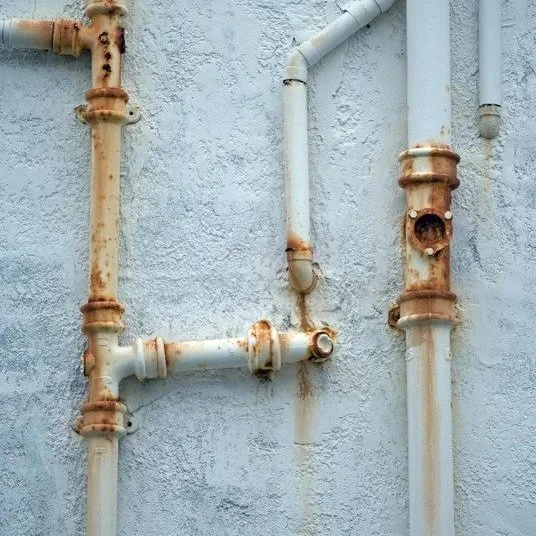
Replacing aging pipes is a proactive way to secure a stronger, more efficient plumbing system, providing peace of mind, better water pressure, and cleaner, safer water for years to come.
Pipes are the hidden backbone of every plumbing system, quietly delivering clean water and removing waste day after day. While often out of sight, their condition has a direct impact on daily comfort, water quality, and the safety of any home. As pipes age, they become more vulnerable to corrosion, leaks, and failures that can bring costly repairs, water damage, and even health risks. Replacing aging pipes is a proactive way to secure a stronger, more efficient plumbing system, providing peace of mind, better water pressure, and cleaner, safer water for years to come.
Recognizing the Signs That Pipes Are Reaching the End of Their Lifespan
No plumbing system lasts forever. Over time, the materials that make up pipes begin to break down, and several warning signs can indicate that replacement is necessary. Frequent leaks are one of the most common indicators. If calls to a plumber are needed repeatedly to fix leaks, it may be a sign that the pipes are deteriorating from within. Low water pressure is another red flag, often caused by corrosion and mineral buildup that narrows the interior of the pipes and restricts flow.
Discolored or rusty water is a clear signal that pipes are corroding. When water from the tap appears brown, yellow, or cloudy, it means sediment, rust, or minerals are leaching into the water supply. This not only affects the taste and appearance of water but can also lead to health risks if consumed over time. Water stains on walls or ceilings, warped flooring, or unexplained damp spots are signs of hidden leaks, which can weaken a home's structure and create the perfect environment for mold growth.
Unusual sounds coming from plumbing, such as banging or rattling, often indicate that pressure changes are straining old, weakened pipes. Slow drains and frequent clogs may result from years of buildup in the pipes, further restricting water flow and raising the risk of backups. Instead of patching up problems as they arise, a full pipe replacement offers a fresh start, eliminating the frustration and expense of outdated plumbing.
The Hidden Risks of Outdated Pipes
Old pipes do more than cause inconvenient leaks and water pressure issues. Corrosion is a slow but relentless process that not only weakens pipes but also introduces contaminants into the water supply. Rust and metal particles can affect the taste, smell, and safety of drinking water. In homes with lead or galvanized steel pipes, the risk is even greater, as lead exposure is linked to substantial health problems, especially in children.
Tiny cracks and pinhole leaks in aging pipes let water seep into walls, floors, and foundations. Over time, this hidden moisture can cause structural damage, rot, and mold growth. Mold thrives in damp environments and can spread rapidly, leading to costly remediation and potential health issues for occupants. The longer aging pipes remain in place, the more likely they are to cause extensive and costly damage.
Certain outdated pipe materials present unique dangers. Galvanized steel pipes, common in homes built before the 1960s, are particularly prone to internal rusting and eventual failure. As the protective zinc layer erodes, the steel underneath corrodes, leading to restricted water flow, leaks, and the risk of sudden pipe bursts. Polybutylene pipes, once popular for their low cost and easy installation, are now known to crack and burst without warning, making them a liability in any plumbing system.
The Impact of Pipe Corrosion on Water Quality
Pipe corrosion is a major factor in declining water quality. As pipes corrode, they can release metals such as iron, copper, or lead into the water supply. This not only causes discoloration and unpleasant tastes but can also pose health risks. Corroded pipes are also more likely to harbor bacteria, mold, fungi, and algae, further compromising water safety. In addition to affecting drinking water, corrosion can damage plumbing fixtures, stain sinks and bathtubs, and lower the efficiency of water heaters and appliances.
Replacing corroded pipes is essential for maintaining healthy, high-quality water. Regular water quality testing can help identify contaminants and determine whether pipe replacement is necessary. In some cases, installing a water filtration system can provide an added layer of protection, but the most effective solution is to upgrade the pipes themselves.
The Benefits of Replacing Old Pipes
Upgrading a plumbing system with new pipes offers a wide range of benefits. Modern piping materials, such as copper, PEX (cross-linked polyethylene), and PPR (polypropylene random copolymer), are designed to resist corrosion, scaling, and mineral buildup. This lowers the risk of leaks and contamination, confirming a safer and more reliable water supply.
One of the most immediate benefits of repiping is improved water pressure. New pipes restore a strong, consistent flow throughout the home, eliminating the frustration of slow or uneven water delivery. Residents also enjoy cleaner, better-tasting water, free from the metallic or musty flavors associated with old, corroded pipes.
Replacing pipes can significantly reduce maintenance costs. Instead of dealing with constant leaks, clogs, and water damage, a plumbing system can work efficiently with minimal need for repairs. This proactive approach also helps prevent hidden damage that could lead to costly fixes in the future.
Modern pipes are more energy-efficient, reducing heat loss and helping water heaters operate more effectively. This can bring forth lower utility bills and a smaller environmental footprint. For those considering selling a home, updated plumbing is a major selling point, boosting property value and attracting buyers seeking a move-in-ready home.
Choosing the Right Pipe Materials for Longevity and Performance
The choice of pipe material plays a crucial role in the longevity and performance of a plumbing system. Copper pipes are known for their durability and corrosion resistance, with a lifespan of 50 years or more. PEX pipes are flexible, easy to install, and resistant to both freezing and scaling, making them an excellent choice for modern homes. PVC and PPR pipes are also popular for their longevity, affordability, and resistance to chemical corrosion.
Each material has its own advantages and ideal applications. A professional plumber can assess a home's needs and recommend the best materials for the specific situation, taking into account factors such as water quality, local climate, and budget.
Professional Installation for Long-Term Performance
Pipe replacement is a complex project that requires careful planning and expert execution. A professional plumber begins by evaluating the home's layout, identifying problem areas, and selecting the most suitable materials. Proper pipe sizing, secure connections, and expert routing are essential for preventing future leaks and maximizing water efficiency.
During a repiping project, professionals take steps to minimize disruption to the home. Advanced tools and techniques are used to replace old pipes with precision, minimizing damage to walls and flooring. Once the new pipes are in place, any affected areas are repaired and restored to their original condition.
Professional installation guarantees that all connections are properly sealed and that the system meets current building codes and safety standards. Many plumbing companies present warranties or guarantees on their work, providing homeowners with added peace of mind.
A Smarter Approach to Plumbing Upgrades
Waiting for a major pipe failure can result in extensive water damage, costly emergency repairs, and significant disruption to daily life. Replacing aging pipes before they cause problems is a smarter, more cost-effective approach. By investing in high-quality materials and expert installation, a plumbing system can be made stronger, more efficient, and built to last.
Routine inspections and maintenance are key to extending the life of plumbing. Scheduling routine checkups with a professional plumber helps catch small concerns before they escalate, confirming that pipes remain in optimal condition. Water quality testing and the use of water softeners or filtration systems can further protect the investment and enhance plumbing performance.
The Value of Modern Plumbing Innovations
The plumbing industry has evolved significantly in recent decades, with new materials and technologies offering greater durability, efficiency, and sustainability. PEX and PPR pipes, for example, are not only resistant to corrosion and freezing but also environmentally friendly, made from recyclable materials, and produce minimal waste during production. Composite pipes, which combine layers of metal and plastic, offer the best of both worlds—strength, flexibility, and resistance to a broad range of environmental factors.
Innovative jointing methods, such as heat fusion for PPR pipes, create seamless, leak-proof connections that enhance the overall strength and reliability of the system. These advancements make modern plumbing systems more resilient and easier to maintain than ever before.
Protecting Homes and Health
Replacing old pipes is about more than convenience—it's about protecting a home and its occupants' health. Corroded pipes can purge harmful substances into the water, including lead, rust, and bacteria. These contaminants pose serious health risks, particularly for children and vulnerable individuals. By upgrading plumbing, access to clean, safe water is ensured, and the risk of exposure to hazardous materials is reduced.
A robust plumbing system also protects a home's structure from the damaging effects of leaks and moisture. Preventing water intrusion helps maintain the integrity of walls, floors, and foundations, avoiding costly repairs and preserving the property's value.
Planning a Pipe Replacement Project
If pipes appear to be reaching the end of their lifespan, the first step is to schedule a professional assessment. A licensed plumber can inspect the system, identify problem areas, and recommend the best course of action. Options are provided based on budget and needs, helping property owners make informed decisions about materials and scope.
Budgeting for a repiping project is an important consideration, but the long-term savings in maintenance, water bills, and avoided damage make it a worthwhile investment. With professional craftsmanship and quality materials, a new plumbing system will provide reliable service for decades.
A Stronger, More Efficient Plumbing System for the Future
Replacing aging pipes is one of the most effective ways to ensure a reliable, efficient, and safe plumbing system. Modern materials and expert installation offer lasting benefits, including improved water pressure and quality, reduced maintenance, and lower energy costs. Taking a proactive approach to plumbing upgrades delivers peace of mind, protects property investments, and creates a healthier, more comfortable living environment.
Trust Adaven Plumbing for an effectively and efficiently functioning residential plumbing system. We offer drain cleaning, water leak detection and repair, toilet repairs, home repiping, faucet repair and replacement, and plumbing maintenance solutions in Las Vegas. We have a team of licensed technicians who deliver quality work and 24-hour emergency assistance. Call today to schedule a free onsite estimate.