
Plumbing 101: The Difference Between Copper and PEX Pipes
Understanding how copper and PEX perform under real world conditions helps property owners make informed decisions that protect both their investment and their home.
Before a home plumbing pipe replacement or repipe project, understanding the differences between copper and PEX piping is essential. These two materials dominate modern residential plumbing systems, and each offers distinct advantages depending on water quality, home layout, climate, and long term performance expectations. While both materials are code approved and widely used by professional plumbers, they behave very differently once installed. Choosing the right option is not about which pipe is better overall, but which pipe is better for a specific home and usage pattern.
From a professional plumbing perspective, pipe material selection impacts system longevity, water quality, maintenance requirements, and future repair costs. Homeowners often focus on upfront pricing, but experienced plumbers evaluate the full lifecycle of the plumbing system. Understanding how copper and PEX perform under real world conditions helps property owners make informed decisions that protect both their investment and their home.
Understanding Copper Pipes in Residential Plumbing
Copper piping has been a standard in plumbing systems for decades. Its long history gives it a reputation for reliability, strength, and consistency. Many older homes still operate on original copper piping that has lasted several decades with proper installation and water chemistry.
Copper pipes are rigid metal pipes available in several thickness grades, commonly referred to as Type L and Type M in residential applications. Type L is thicker and more durable, while Type M is thinner and often used in lower pressure systems. Professional plumbers select pipe type based on local code requirements and system demands.
One of copper’s most notable advantages is its ability to handle high temperatures. This makes it well suited for hot water lines, boiler systems, and recirculation systems. Copper also resists ultraviolet exposure, allowing limited outdoor use where permitted by code.
Durability and Reliability of Copper Pipes
Copper piping is valued for its long term durability when installed under the right conditions. It does not degrade with age in the same way some plastics can, and it holds its shape well under pressure. Copper pipes are also naturally resistant to bacteria growth, which contributes to stable water quality over time.
However, copper is not immune to failure. Water chemistry plays a significant role in pipe lifespan. Acidic or aggressive water can slowly corrode copper from the inside, leading to pinhole leaks that may go unnoticed until damage occurs. High mineral content can also contribute to internal scaling, which restricts flow and reduces efficiency.
From a professional standpoint, copper performs best in homes with neutral water pH and stable water pressure. When water conditions are unfavorable, plumbers may recommend alternative materials or protective measures such as filtration systems.
Installation and Maintenance Considerations for Copper
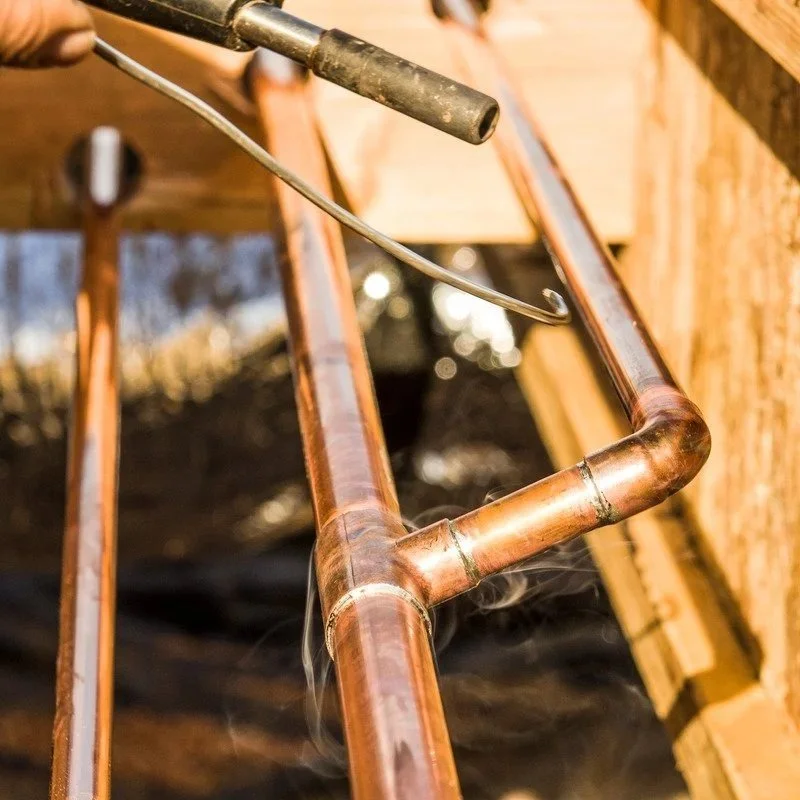
Installing copper piping requires skilled labor and specialized tools. Joints are typically soldered using heat, which demands experience to prevent leaks, joint failure, or fire hazards. This installation process increases labor time and cost compared to more modern piping systems.
Once installed, copper pipes are relatively easy to inspect due to their rigid and visible routing. This makes troubleshooting leaks more straightforward in exposed areas. Repairs often involve cutting and replacing sections of pipe, which can be time consuming and invasive depending on accessibility.
Professional plumbers also consider expansion and contraction. Copper expands with heat and contracts when cooled, which can lead to noise issues or joint stress if not installed with proper allowances.
Understanding PEX Pipes in Modern Plumbing Systems
PEX, or cross linked polyethylene, represents a major shift in plumbing design. Introduced to residential plumbing in recent decades, PEX has gained widespread acceptance due to its flexibility, affordability, and adaptability. It is now commonly used in new construction and repipe projects.
PEX piping is available in multiple types, most commonly PEX A, PEX B, and PEX C. Each type has slightly different manufacturing processes and flexibility levels. Professional plumbers often prefer PEX A for its superior flexibility and ability to expand and contract without damage.
PEX pipes are color coded, typically red for hot water and blue for cold water, which improves system organization and future serviceability.
Durability and Reliability of PEX Pipes
PEX pipes are highly resistant to corrosion, scale buildup, and chlorine exposure. Unlike metal pipes, they do not rust or pit over time. This makes PEX particularly well suited for areas with aggressive water chemistry that may shorten the lifespan of copper.
PEX also tolerates freezing conditions better than rigid pipes. While no plumbing system is freeze proof, PEX can expand slightly when frozen and return to its original shape once thawed, reducing the risk of burst pipes.
However, PEX is sensitive to ultraviolet light. Prolonged exposure to sunlight can weaken the material, which is why professional plumbers avoid outdoor installations unless the pipe is fully protected. PEX is also not recommended for areas where rodents are a known issue, as it can be damaged by chewing.
Installation and Maintenance Considerations for PEX
From a professional services standpoint, PEX installation offers significant efficiency advantages. Its flexibility allows for longer continuous runs with fewer fittings, reducing potential leak points. It can be routed through walls, floors, and tight spaces with minimal disruption.
PEX connections are made using crimp, clamp, or expansion fittings, depending on the system. These methods eliminate the need for open flame soldering, improving safety and speeding up installation. This reduced labor time often translates to lower overall project costs.
Maintenance and repairs on PEX systems are generally straightforward. Damaged sections can be isolated and replaced without extensive pipe removal. However, because PEX is often installed behind walls and ceilings, leak detection may require professional diagnostic tools.
Cost Comparison Between Copper and PEX
Material cost is one of the most noticeable differences between copper and PEX. Copper prices fluctuate with global metal markets and can be significantly more expensive during periods of high demand. This volatility makes budgeting more difficult for large repipe projects.
PEX is consistently more affordable in terms of material cost. Combined with reduced labor requirements, this often makes PEX the more budget friendly option for whole house repiping.
From a professional perspective, cost evaluation goes beyond installation. Copper may offer longer lifespan in ideal conditions, while PEX may reduce maintenance issues in homes with challenging water quality. The total cost of ownership depends on local conditions and long term expectations.
Water Quality and Health Considerations
Both copper and PEX are approved for potable water systems, but they interact with water differently. Copper pipes can release trace amounts of copper into water, especially in new installations or in homes with acidic water. While small amounts are generally considered safe, excessive copper levels can affect taste and, in rare cases, health.
PEX does not corrode or leach metals, but some homeowners report temporary taste or odor issues in newly installed systems. These typically dissipate over time as the system is flushed and conditioned.
Professional plumbers consider water testing an important step when selecting pipe materials. Understanding mineral content, pH levels, and disinfectant concentrations helps ensure material compatibility and long term system performance.
Noise, Pressure, and System Performance
Copper pipes transmit sound more readily than PEX. This can result in water hammer noise or vibration when water flow stops suddenly. Proper installation techniques such as air chambers and secure mounting can minimize these effects.
PEX naturally absorbs pressure changes and reduces noise due to its flexibility. This makes it quieter in operation, particularly in multi story homes or properties with high water pressure.
From a performance standpoint, PEX systems often maintain more consistent pressure due to fewer fittings and smoother internal surfaces. Copper systems, while reliable, may experience pressure loss over time if scaling occurs.
Environmental Impact and Sustainability
Copper is a recyclable material, which contributes positively to sustainability efforts. Old copper piping can be reclaimed and reused, reducing waste. However, copper mining and processing have significant environmental impacts.
PEX production involves synthetic materials and is not recyclable in the same way as copper. That said, its lower installation waste and longer continuous runs can reduce material usage during construction.
Professional plumbers balance environmental considerations with performance, safety, and system longevity when recommending pipe materials.
When a Professional Recommendation Matters
Choosing between copper and PEX should always involve professional evaluation. Factors such as home age, pipe routing, water chemistry, climate, and local building codes all influence material suitability. What works well in one region or property may not perform as expected in another.
Recurring leaks, pressure issues, or water quality concerns often indicate that existing pipe material is no longer appropriate for current conditions. Professional plumbers assess these factors and recommend solutions that align with both immediate needs and long term system health.
Copper and PEX pipes each offer distinct advantages in residential plumbing systems. Copper provides a long history of durability, heat resistance, and structural integrity when installed under favorable conditions. PEX offers flexibility, corrosion resistance, affordability, and efficient installation that aligns with modern plumbing design.
From a professional services perspective, the best choice depends on a combination of water quality, home layout, budget, and performance expectations. Understanding the strengths and limitations of each material allows homeowners to make informed decisions that protect their plumbing investment. Consulting with a professional plumber ensures the selected system delivers reliable performance, long term value, and peace of mind.
Trust Adaven Plumbing for an effectively and efficiently functioning residential plumbing system. We offer drain cleaning, water leak detection and repair, toilet repairs, home repiping, faucet repair and replacement, and plumbing maintenance solutions in Las Vegas. We have a team of licensed technicians who deliver quality work and 24-hour emergency assistance. Call today to schedule a free onsite estimate.