
Natural Solutions to Unclog a Drain
Understanding where natural methods help and where professional expertise becomes necessary is key to protecting your plumbing system long term.
Dealing with a clogged drain is an inconvenience most property owners encounter at some point. Slow draining sinks, standing water in showers, and backed up toilets interrupt daily routines and often signal a deeper issue within the plumbing system. While store bought chemical drain cleaners promise fast results, they frequently introduce new problems. Harsh chemicals can corrode pipes, weaken seals, harm septic systems, and release toxins into indoor air and local water supplies. From a professional plumbing perspective, these products often treat symptoms rather than addressing the underlying cause of the blockage.
Natural drain cleaning solutions offer a safer and more sustainable approach for minor to moderate clogs. These methods focus on loosening buildup, breaking down organic materials, and restoring flow without compromising pipe integrity. When used correctly, natural solutions can be effective for maintenance and early intervention. That said, recurring or severe clogs often indicate deeper issues that require professional drain cleaning services. Understanding where natural methods help and where professional expertise becomes necessary is key to protecting your plumbing system long term.
Boiling Water
Boiling water is one of the simplest and most commonly recommended natural drain cleaning methods. Many household drain clogs form gradually as soap residue, grease, food particles, and organic matter adhere to the interior walls of pipes. Over time, these materials restrict water flow and eventually cause blockages.
From a professional standpoint, boiling water works best on grease and soap based clogs, especially in kitchen sinks and bathroom drains. Heat softens and loosens fatty buildup, allowing it to move through the pipe more freely. Pouring boiling water slowly and steadily into the drain can help melt and flush away residue that has not yet hardened into a complete obstruction.
It is important to note that boiling water is not suitable for all plumbing systems. Older pipes, especially those made from PVC or with weakened joints, may be damaged by repeated exposure to high temperatures. For this reason, professional plumbers often recommend hot water rather than rolling boils when working with unknown or aging pipe materials. Boiling water also will not resolve clogs caused by foreign objects, hair masses, or tree root intrusion, which require mechanical removal.
Vinegar and Baking Soda
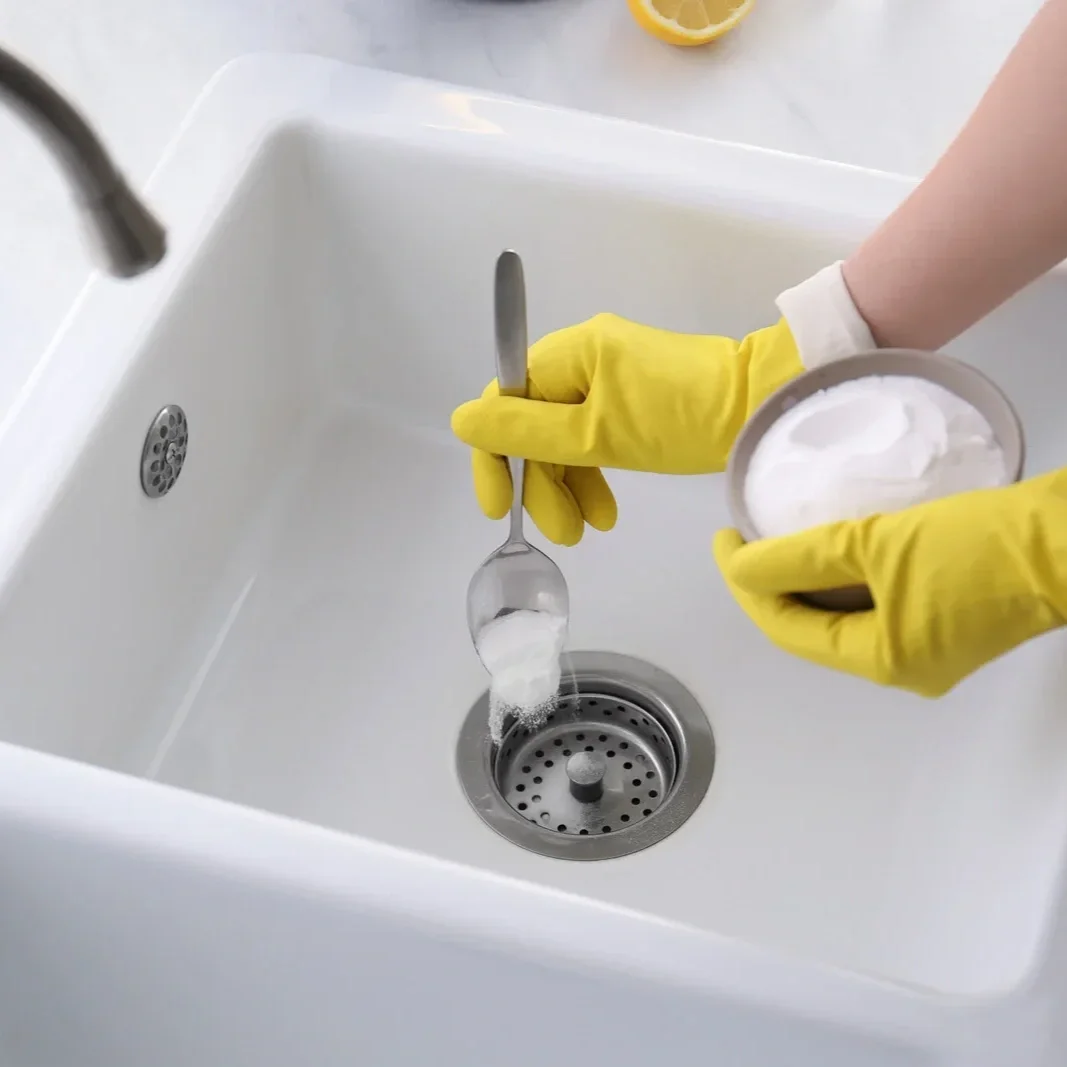
The combination of vinegar and baking soda is widely recognized as a natural drain cleaning solution. When these two substances interact, they create a fizzing reaction that helps loosen debris and break apart organic buildup within pipes. While this method is sometimes oversold as a cure all, it can be effective when used correctly and in the right situations.
Professionally, vinegar and baking soda are best viewed as a maintenance solution or a first response to slow drains rather than a fix for fully blocked pipes. Baking soda acts as a mild abrasive, while vinegar provides acidity that helps dissolve mineral deposits and organic matter. Together, they can loosen sludge lining the pipe walls.
To apply this method, baking soda is poured into the drain first, followed by vinegar. The reaction agitates the buildup, allowing it to release from the pipe interior. After sufficient dwell time, flushing with hot water helps move the loosened material out of the system. While effective for minor clogs, this method will not dissolve hair bundles, grease traps, or hardened obstructions. In those cases, professional drain cleaning tools are required to fully restore flow.
Plungers and Proper Use
A plunger is one of the most valuable non-chemical tools available for addressing drain blockages. However, effectiveness depends heavily on using the correct type of plunger and applying proper technique. Professional plumbers often encounter situations where plungers failed simply because they were misused or not suited to the fixture.
Sink plungers are designed with flat bottoms to create a seal over shallow drains. Toilet plungers have extended flanges that fit securely into the toilet trap. Using the wrong plunger can reduce suction and fail to move the clog. When used correctly, plungers create pressure and vacuum cycles that dislodge debris and allow it to move through the pipe.
From a professional perspective, plungers work best on soft blockages located near the drain opening. They are less effective on deep clogs or those caused by hardened buildup. Excessive force should be avoided, as aggressive plunging can damage seals or push clogs further down the line. If repeated plunging does not improve drainage, it is often a sign that mechanical or professional intervention is needed.
Drain Snakes and Drain Millipedes
Drain snakes and drain millipedes offer a chemical free way to physically remove clogs from pipes. These tools are particularly effective against hair clogs, which are among the most common causes of bathroom drain blockages. Hair tangles around soap residue and forms dense masses that water based solutions cannot dissolve.
Professional plumbers use specialized augers and snakes designed to reach deeper into plumbing systems, but consumer versions can help with surface level blockages. A drain snake is inserted into the drain opening and rotated to catch or break apart debris. Drain millipedes use barbed edges to latch onto hair and pull it out.
While these tools are effective, improper use can damage pipes, scratch fixtures, or push clogs deeper into the system. Professionals recommend gentle manipulation and stopping immediately if resistance becomes severe. If the tool cannot pass through the blockage easily, forcing it may worsen the problem. In those cases, professional drain cleaning equipment such as motorized augers or hydro jetting provides a safer and more thorough solution.
Dish Soap and Hot Water
Dish soap combined with hot water is a commonly suggested natural method for toilet clogs and greasy drain blockages. Dish soap is formulated to break down fats and oils, making it useful for loosening organic waste that contributes to slow drainage.
From a professional standpoint, this method works best when the clog is caused by soft organic material rather than solid obstructions. Adding dish soap to the drain or toilet bowl coats the pipe walls and reduces friction, allowing waste to move more freely. Following with hot water helps carry loosened material through the system.
This approach should be used cautiously in toilets, as excessive water volume can cause overflows. Professionals recommend allowing time for the soap to work before adding water. While helpful in some scenarios, dish soap and hot water are not substitutes for professional plumbing when dealing with recurring toilet clogs, which may indicate venting issues, pipe slope problems, or sewer line obstructions.
Salt Based Natural Cleaning Methods
Salt is another natural substance sometimes used to assist with drain cleaning. When combined with hot water or baking soda, salt can help scour pipe interiors and loosen residue. From a professional perspective, salt based methods are best suited for maintenance rather than emergency unclogging.
Salt crystals can help dislodge light buildup along pipe walls, especially when followed by hot water. However, salt does not dissolve grease or hair effectively on its own. It also should not be overused, particularly in metal pipes, as prolonged exposure can contribute to corrosion. Professional plumbers typically view salt as a supplemental maintenance tool rather than a primary solution.
Enzyme Based Natural Cleaners
While not strictly homemade, enzyme based drain cleaners are considered natural alternatives to chemical products. These cleaners use bacteria and enzymes to digest organic material within pipes. From a professional standpoint, enzyme cleaners are effective for ongoing maintenance and prevention rather than emergency unclogging.
Enzymes work gradually, breaking down grease, food particles, soap scum, and organic waste over time. They are safe for pipes, septic systems, and the environment when used as directed. Professionals often recommend enzyme treatments for commercial kitchens, rental properties, and households prone to buildup due to frequent use.
Because enzymes require time to work, they are not effective for standing water or fully blocked drains. In those cases, mechanical or professional cleaning methods are necessary to restore flow before enzyme maintenance can be introduced.
Why Natural Solutions Have Limits
While natural drain unclogging methods provide value, it is important to understand their limitations. Professional plumbers emphasize that recurring clogs often point to underlying issues that natural remedies cannot resolve. These may include improper pipe slope, damaged or collapsed pipes, invasive tree roots, grease accumulation beyond the reach of household tools, or foreign objects lodged deep within the system.
Natural solutions typically address surface level or early stage blockages. They do not replace professional diagnostic tools such as drain cameras, which allow plumbers to inspect pipe interiors and identify structural problems. Ignoring recurring symptoms can lead to water damage, sewer backups, and costly repairs.
When to Call a Professional Plumber
From a professional services perspective, knowing when to seek help is just as important as knowing which natural methods to try. Slow drains that return shortly after cleaning, gurgling sounds, foul odors, or multiple fixtures backing up simultaneously often indicate deeper plumbing issues.
Professional plumbers use advanced equipment such as motorized augers, hydro jetting systems, and camera inspections to safely and thoroughly clear drains. These methods remove buildup completely rather than temporarily displacing it. Professional service also includes identifying the cause of the blockage and recommending preventive solutions tailored to the property.
Relying exclusively on natural methods for persistent clogs can delay necessary repairs and increase long term costs. A professional evaluation ensures that the plumbing system functions efficiently and remains protected against future issues.
Natural solutions to unclog a drain offer a safer alternative to harsh chemical cleaners and can be effective for minor blockages and routine maintenance. Methods such as boiling water, vinegar and baking soda, plungers, drain snakes, and enzyme based cleaners provide environmentally responsible options that protect pipe integrity. From a professional standpoint, these solutions are most effective when used early and appropriately.
However, not all clogs are created equal. Repeated drainage issues often signal deeper problems that require professional plumbing expertise. By understanding the role natural methods play and recognizing their limits, property owners can make informed decisions that protect their plumbing systems. When in doubt, consulting a professional plumber helps resolve clogs efficiently, prevents further damage, and supports long term system health.
Trust Adaven Plumbing for an effectively and efficiently functioning residential plumbing system. We offer drain cleaning, water leak detection and repair, toilet repairs, home repiping, faucet repair and replacement, and plumbing maintenance solutions in Las Vegas. We have a team of licensed technicians who deliver quality work and 24-hour emergency assistance. Call today to schedule a free onsite estimate.