
Repair Vs Replace: When A Water Heater Fix Is Worth It And When You Are Throwing Money Away
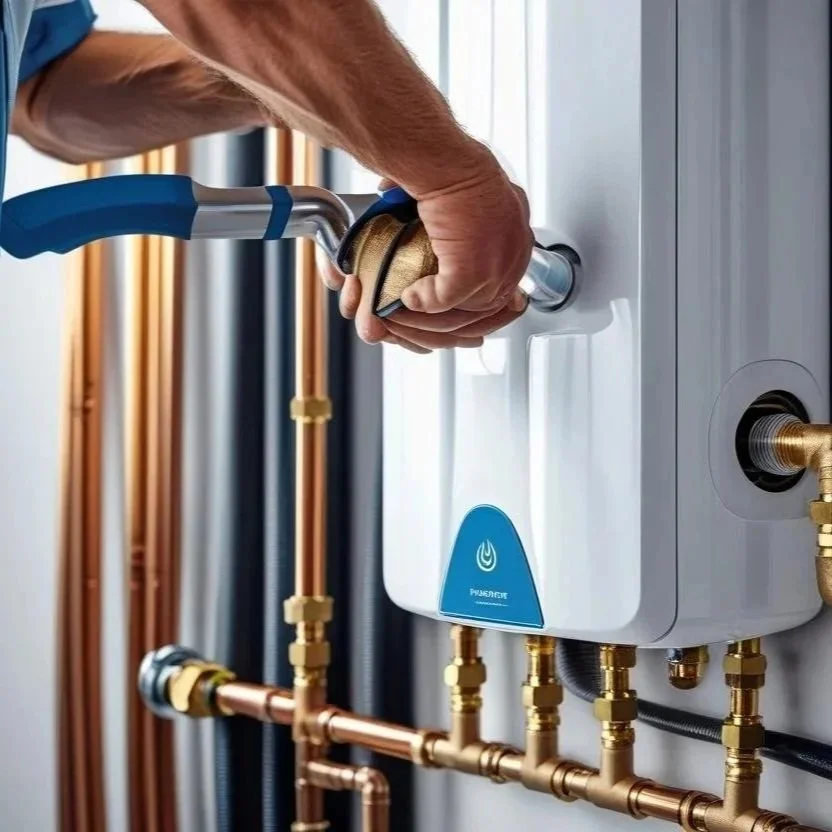
The repair versus replace decision depends on more than the size of the leak or the cost of the part.
Water heater problems rarely arrive with clear instructions on whether repair makes sense or replacement is the smarter move. A technician might say a fix is possible, but that does not always mean it is financially or practically wise. Homeowners often feel stuck between spending money on a repair that buys limited time or committing to a replacement that feels premature. Understanding when a water heater repair delivers real value versus when it simply delays failure helps avoid pouring money into equipment that has already reached the end of its useful life.
The repair versus replace decision depends on more than the size of the leak or the cost of the part. Age, efficiency loss, internal condition, and how the system fits current household needs all influence whether a fix truly solves the problem. A repair that restores reliable performance for years offers value. A repair that temporarily quiets symptoms while deeper issues remain usually wastes money. Clear evaluation replaces guesswork with informed decision-making.
How Water Heater Age Changes The Repair Equation
Age acts as one of the most reliable indicators of whether repair makes sense. Most tank-style water heaters operate within an expected lifespan of eight to twelve years, depending on water quality and maintenance. As systems approach or exceed that range, internal corrosion and material fatigue accelerate even if external performance appears acceptable. A repair performed late in the lifecycle often addresses a symptom rather than the underlying deterioration.
Younger systems benefit more from repair because internal components remain structurally sound. Replacing a heating element, thermostat, or valve in a relatively new unit often restores full performance without recurring issues. Older systems, however, frequently experience cascading failures. One repaired component places stress on aging parts nearby, triggering additional breakdowns. Age transforms repairs from solutions into temporary delays.
Which Repairs Usually Make Sense Financially
Certain water heater repairs consistently offer good value when performed at the right time. Thermostat replacement, heating element replacement, gas valve repair, and pressure relief valve replacement typically cost far less than full replacement and restore normal operation effectively. These repairs address discrete components rather than structural integrity.
Dip tube replacement also falls into this category. A failed dip tube dramatically reduces usable hot water but does not indicate tank failure. Replacing it restores proper water stratification and performance at relatively low cost. When the tank itself remains solid and free from corrosion, these repairs extend service life without compromising reliability.
Repairs That Rarely Deliver Long-Term Value
Some repairs rarely justify their cost, especially on older systems. Fixing a leaking tank body, welding corroded seams, or repeatedly replacing components affected by internal corrosion usually throws money away. Once the tank shell fails, structural integrity cannot be restored safely.
Frequent repairs over short intervals also signal diminishing returns. Replacing multiple components within a year often costs nearly as much as replacement while delivering less reliability. These patterns indicate systemic wear rather than isolated failure. Continuing to repair under these conditions increases the likelihood of sudden breakdown and water damage.
The Role Of Efficiency Loss In Repair Decisions
Efficiency loss quietly shifts the repair versus replace balance. Sediment buildup, scale, and internal corrosion reduce heat transfer even when the system still produces hot water. Homeowners may not notice a gradual efficiency decline until utility bills rise or recovery slows.
Repairing a component on an inefficient system restores function but not efficiency. Replacement often delivers lower operating costs and improved performance simultaneously. When efficiency loss becomes pronounced, replacement provides value beyond immediate repair savings by reducing long-term energy expense. Factoring operating cost into decision-making prevents short-sighted choices.
When Leaks Change Everything
Leaks demand immediate evaluation because their source determines whether repair is viable. Leaks from valves, fittings, or connections often respond well to repair. These leaks typically appear near the top or sides of the unit and do not compromise the tank body.
Leaks from the bottom of the tank almost always indicate internal corrosion or failure. These leaks continue even after the water supply shuts off because stored water drains through compromised metal. Repair does not restore structural integrity. In these cases, replacement avoids escalating damage and safety risk. Leak location often answers the repair versus replace question decisively.
How Usage Changes Affect Repair Value
Household hot water demand evolves over time. A system sized appropriately years ago may no longer meet current needs due to additional occupants, schedule changes, or new appliances. Repairing an undersized system restores its original capacity but does not solve the underlying mismatch.
When frequent complaints involve running out of hot water rather than mechanical failure, replacement with proper sizing offers better value than repeated fixes. Repairing a system that no longer fits usage patterns preserves inefficiency and frustration. Replacement aligns performance with current lifestyle rather than past conditions.
Risk And Peace Of Mind As Decision Factors
Repair decisions often focus narrowly on immediate cost, but risk carries its own price. Aging water heaters pose an increasing risk of sudden failure, especially when corrosion progresses internally. A repaired system may function, yet the likelihood of future leaks or breakdown remains high.
Replacement reduces risk exposure by resetting system age and condition. For homeowners concerned about property damage or unpredictable failures, replacement provides peace of mind that repairs cannot match. Evaluating risk tolerance alongside cost leads to more balanced decisions.
When Replacement Becomes The Smarter Investment
Replacement offers the greatest value when multiple factors align. Advanced age, efficiency loss, repeated repairs, structural deterioration, and changing demand patterns together signal that continued repair wastes money. New systems deliver improved efficiency, updated safety features, and predictable performance.
Replacement also allows homeowners to correct past sizing errors or upgrade technology. Investing once in a properly selected system often costs less over time than repeated repairs combined with higher operating expenses. Viewing replacement as a long-term investment rather than a failure helps clarify its value.
Why Pro Evaluation Matters In Borderline Cases
Borderline situations benefit most from professional evaluation. Experienced technicians assess internal condition, performance trends, and risk factors that homeowners cannot easily see. A clear explanation of expected remaining lifespan helps frame repair value realistically.
A trustworthy evaluation focuses on outcomes rather than upselling. A repair worth doing should restore reliability for a meaningful period. When that standard cannot be met, replacement protects both finances and property. Professional insight transforms uncertainty into informed choice.
FAQs
Water heaters beyond ten to twelve years often deliver limited value from repairs due to internal corrosion and wear. Age alone does not dictate replacement, but it heavily influences repair viability.
Short-term repair costs less, but replacement often costs less long-term when repairs become frequent, or efficiency drops significantly.
Leaks from valves or fittings can be repaired. Leaks from the tank body usually require replacement.
Multiple repairs within a short timeframe indicate declining system health. At that point, replacement usually offers better reliability and value.
Yes. Well-maintained systems respond better to repair and last longer. Poor maintenance accelerates internal damage that limits repair effectiveness.