
Pull Down And Pull Out Faucet Hose Leaks What Breaks And Why
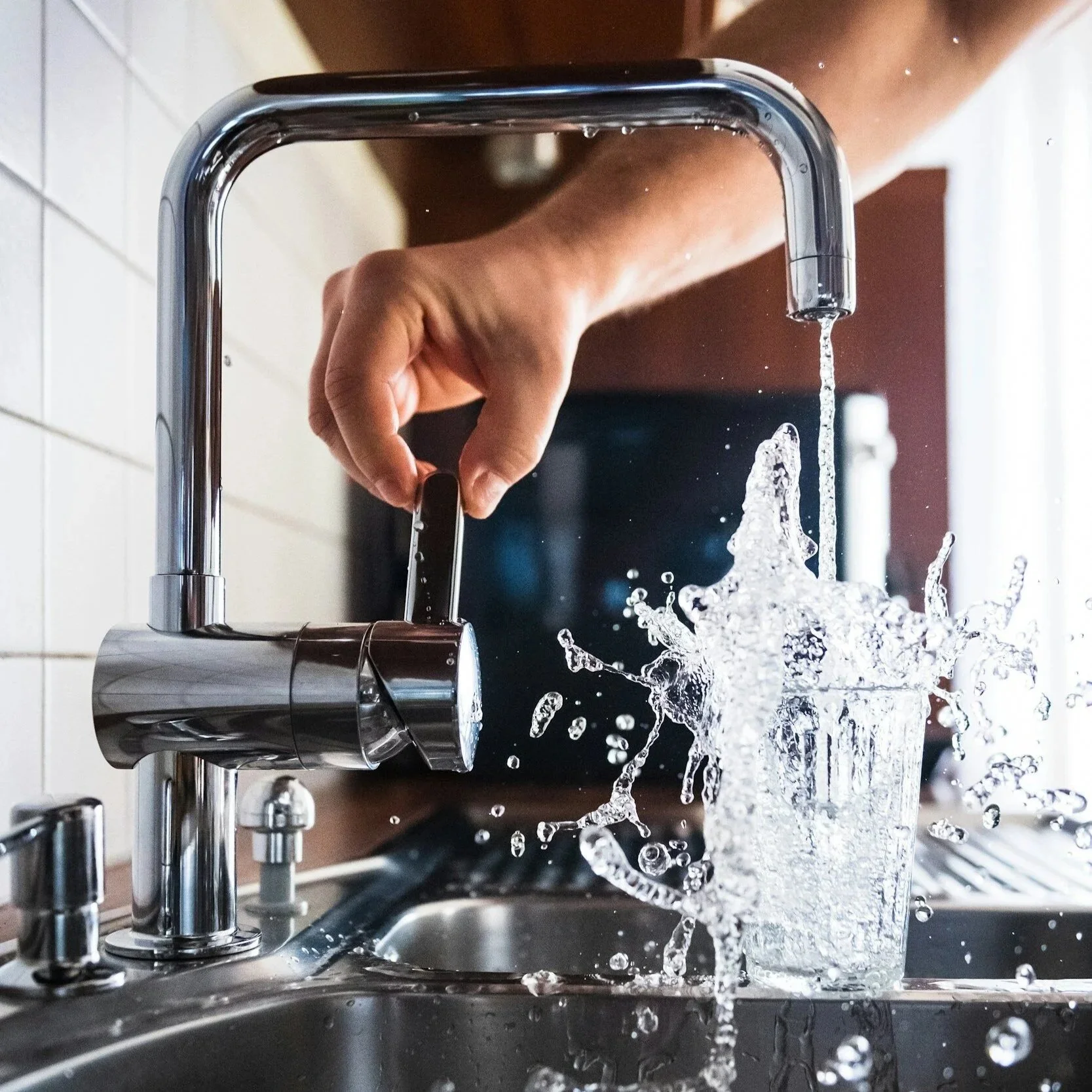
Pull-down and pull-out kitchen faucets look sleek and feel modern, but when they start leaking, the failure often feels sudden and confusing.
Pull-down and pull-out kitchen faucets look sleek and feel modern, but when they start leaking, the failure often feels sudden and confusing. Water may appear under the sink only when the faucet is running, pressure may drop unexpectedly, or spraying may occur behind cabinets without warning. These faucets rely on flexible hoses, internal weight systems, and sealed connections that operate under constant motion. Over time, that motion exposes weaknesses that traditional fixed spout faucets never experience. Understanding what actually breaks inside these systems explains why leaks appear and why tightening fittings almost never solves the problem.
Unlike surface-level drips, pull-down and pull-out hose leaks usually occur under full pressure and out of sight. The faucet may look perfectly fine above the counter while water sprays inside the cabinet every time the handle turns on. Because hoses flex thousands of times over their lifespan, failure reflects mechanical fatigue rather than isolated defects. Knowing where hoses fail and why helps homeowners act quickly before cabinetry, flooring, or substructures absorb water damage.
How Pull-Down and Pull-Out Faucet Hoses Are Built
Pull-down and pull-out faucets rely on flexible supply hoses that travel vertically or horizontally through the faucet body. These hoses deliver water from the valve to the spray head while moving freely with every use. Internal liners carry pressurized water, while outer braided jackets provide abrasion resistance and structural support. A counterweight helps retract the hose smoothly after use.
This design prioritizes flexibility, but flexibility comes at a cost. Each extension and retraction bends the hose at predictable stress points. Over time, repeated bending weakens the internal liner even if the exterior braid still looks intact. Once the liner develops microcracks, water escapes under pressure and sprays inside the cabinet rather than reaching the spray head. The failure occurs internally first, which explains why leaks often appear suddenly with no visible warning.
Why Internal Hose Liners Fail Before The Exterior
The internal liner experiences the most stress because it carries pressurized water while flexing constantly. Temperature changes accelerate degradation as hot and cold water cause expansion and contraction within the hose material. Mineral content in the water also contributes by abrading the liner from the inside over time.
The outer braided jacket masks this damage. From the outside, the hose may appear perfectly fine with no bulges or tears. Inside, however, pressure exploits weakened liner sections and forces water outward. When the liner finally fails, the braid redirects the spray rather than containing it, sending water sideways or upward inside the cabinet. This hidden failure explains why leaks often feel sudden and dramatic rather than gradual.
Where Hose Leaks Commonly Develop
Most hose leaks occur near connection points or at the bend closest to the faucet body. These areas experience the greatest motion and stress as the hose transitions from stationary plumbing to a moving spray head. Weight systems that snag or bind increase stress at these points by preventing smooth retraction.
Another common failure location sits just above the counter deck where the hose rubs against sharp edges or tight openings. Repeated friction damages the braid and accelerates liner wear. Improper installation that allows the hose to kink or loop tightly beneath the sink shortens the lifespan significantly. These stress patterns explain why some hoses fail within a few years while others last much longer under gentler conditions.
How Counterweights Contribute To Hose Failure
Counterweights play a critical role in the pull-down and pull-out faucet operation. When properly positioned, they balance the hose and reduce strain during movement. When installed incorrectly, they create excessive drag and sharp bends that fatigue the hose prematurely.
Weights that strike cabinet walls, plumbing lines, or stored items restrict movement and force the hose to bend repeatedly at the same point. Over time, that repetitive stress creates a predictable failure zone. Many leaks trace back to weight interference rather than hose quality alone. Correcting weight placement extends hose life, but once liner damage occurs, replacement remains the only solution.
Why Tightening Fittings Rarely Stops Hose Leaks
Hose leaks often get mistaken for loose fittings because water appears near connection points. Tightening the fitting rarely fixes the issue because the leak originates inside the hose rather than at the joint. Applying more torque damages threads, crushes washers, or deforms connectors without addressing the internal liner failure.
In some cases, overtightening accelerates hose failure by increasing stress at the connection. Proper diagnosis involves running the faucet while observing where water escapes, often requiring the removal of cabinet contents for clear visibility. Once a hose liner fails, replacement becomes necessary regardless of how tight the fittings feel.
How Spray Head Connections Fail
The spray head connection introduces another failure point. Internal swivels and seals allow the head to rotate and switch modes. Over time, those seals wear down and allow water to escape inside the head or down the hose sheath.
When spray head seals fail, water may drip from the head when not in use or spray unpredictably during operation. While replacing the spray head sometimes resolves the issue, underlying hose damage often exists simultaneously. Evaluating both components together prevents repeat leaks shortly after repair.
Why Pull Down And Pull Out Leaks Cause More Damage
Leaks from pull-down and pull-out hoses release water under full line pressure. Unlike slow drips, these leaks spray forcefully and saturate cabinets quickly. Water often hits the back wall or underside of the sink, where it remains hidden.
Cabinet floors absorb moisture and swell long before visible signs appear. Mold growth begins early in enclosed spaces with limited airflow. Because the leak only occurs when the faucet runs, homeowners may not notice damage until significant deterioration has occurred. Immediate shutdown and repair limit damage far beyond the faucet itself.
When Hose Replacement Is Enough And When It Is Not
Replacing the hose resolves most pull-down and pull-out leaks when the faucet body remains in good condition. Many manufacturers offer replacement hoses designed specifically for their faucet models. Proper routing and weight adjustment during replacement help prevent early failure recurrence.
Replacement becomes less effective when valve bodies, spray heads, or internal diverters also show wear. In older faucets with multiple leaking components, replacing the entire faucet often provides better long-term reliability. Modern designs improve hose routing and sealing compared to early pull-down models, making replacement a practical upgrade rather than repeated repair.
Preventing Future Hose Leaks
Prevention focuses on reducing stress and friction. Ensuring the hose moves freely without catching prevents concentrated bending. Adjusting counterweights away from obstacles allows smooth extension and retraction. Avoid storing items that interfere with the hose movement beneath the sink.
Monitoring for early signs such as reduced pressure, erratic spray patterns, or moisture under the sink allows early intervention. Replacing hoses proactively after years of heavy use reduces the chance of sudden failure. Awareness of how these systems wear helps homeowners protect cabinetry and avoid emergency repairs.
FAQs
Internal hose liner failure allows pressurized water to spray inside the cabinet only during faucet use.
No. Most pull-down hose leaks come from internal liner damage rather than loose fittings.
Lifespan varies, but frequent use, high pressure, and poor routing can shorten hose life significantly.
No. Continued use allows hidden water damage to cabinets, flooring, and walls.
Hose replacement works when the faucet body remains sound. Repeated leaks or multiple failing parts often justify full faucet replacement.
Trust Adaven Plumbing for an effectively and efficiently functioning residential plumbing system. We offer drain cleaning, water leak detection and repair, toilet repairs, home repiping, faucet repair and replacement, and plumbing maintenance solutions in Las Vegas. We have a team of licensed technicians who deliver quality work and 24-hour emergency assistance. Call today to schedule a free onsite estimate.