
Bathroom Faucet Replacement: What Homeowners Should Know Before Installing
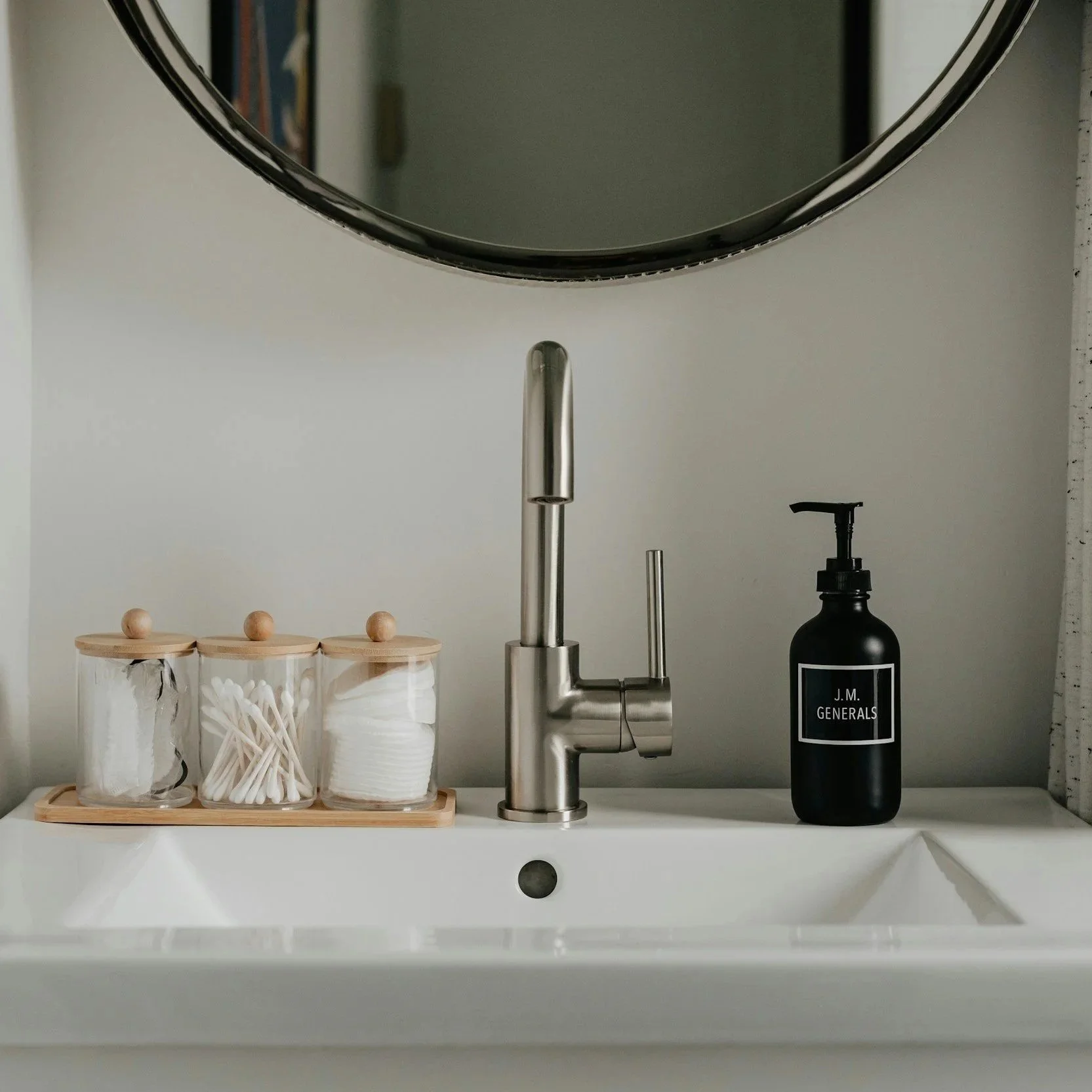
Replacing a bathroom faucet seems straightforward until water shows up under the sink, handles bind, or leaks appear weeks later.
Replacing a bathroom faucet seems straightforward until water shows up under the sink, handles bind, or leaks appear weeks later. Many problems trace back to decisions made before the first wrench turns. Faucet replacement is not just a cosmetic swap. It affects sealing surfaces, pressure behavior, cabinet exposure, and long-term reliability. Knowing what to evaluate before installation helps homeowners avoid repeat work, hidden leaks, and damage that spreads quietly after the job looks finished.
Bathroom faucets operate under constant pressure and frequent temperature changes. The fixture, supply lines, shut off valves, sink deck, and drain all interact once the faucet is turned on. A successful replacement depends on compatibility and preparation as much as installation technique. Understanding what to check ahead of time keeps the project predictable and protects surrounding materials.
Choosing The Right Faucet For The Sink And Countertop
Not all faucets fit all sinks, even when they look similar on display. Hole count and spacing determine compatibility first. Single-hole faucets require different mounting hardware than widespread or centerset designs. Attempting to adapt a faucet to the wrong hole configuration introduces stress, uneven sealing, and cosmetic compromises that often lead to leaks at the base.
Countertop thickness also matters. Thicker stone tops require longer mounting shanks and different fastening methods than thin laminate or porcelain sinks. When mounting hardware barely reaches the underside, tightening becomes uneven, and seals fail prematurely. Confirming faucet specifications against sink and countertop dimensions prevents instability that shows up as base leaks months later.
Evaluating Shut-Off Valves Before Installation
Shut-off valves often get overlooked during faucet replacement, yet they remain one of the most common failure points after installation. Older multi-turn valves develop internal wear that leaks when disturbed. Turning them off for the first time in years frequently triggers seepage around the stem or body.
Replacing a faucet without addressing aging valves risks creating a new leak source beneath the sink. Quarter-turn valves offer better reliability and seal integrity. Evaluating valve condition before installation allows replacement while the area is already accessible, avoiding a second disruption and reducing future leak risk.
Supply Line Condition And Compatibility
Most new faucets include pre-attached supply lines sized for modern installations. Older plumbing may require adapters or longer runs to reach existing valves. Mixing old and new supply components introduces weak points where leaks often develop.
Rigid or aging supply lines should not be reused. Internal liners degrade over time, even when the exterior looks intact. Replacing supply lines during faucet installation eliminates a common source of hidden leaks and ensures proper fit without tension or kinking. Proper routing prevents stress that shortens hose lifespan.
Understanding Internal Faucet Design And Maintenance Needs
Faucets differ internally even when they look similar externally. Cartridge, ceramic disc, and compression designs behave differently under pressure and mineral exposure. Understanding the internal design helps set expectations for longevity and repair options.
Ceramic disc faucets offer durability and smooth operation, but require clean water to prevent debris damage. Cartridge faucets balance performance and serviceability but depend on correct replacement parts. Choosing a faucet suited to local water quality and usage patterns reduces maintenance surprises after installation.
Preparing The Sink Deck And Mounting Surface
A clean, flat mounting surface remains critical for sealing. Old putty, mineral deposits, and corrosion prevent gaskets from seating evenly. Skipping surface preparation leads to base leaks that tightening cannot fix.
Cleaning and drying the sink deck thoroughly before installation allows gaskets to compress uniformly. Avoiding excess sealant prevents misalignment and uneven pressure. Proper preparation creates a stable foundation that resists movement and moisture intrusion over time.
Avoiding Overtightening And Porcelain Stress
Porcelain and stone surfaces do not flex under pressure. Over-tightening mounting nuts or handles introduces stress that cracks sink decks or distorts faucet bodies. Many leaks result from attempts to force stability rather than correcting alignment.
Tightening should stop once the faucet sits stable and sealed. If leaks persist, the issue lies with gasket placement or surface condition, not torque. Respecting material limits prevents delayed cracking and structural damage that appears long after installation.
Drain Assembly Considerations During Faucet Replacement
Replacing a faucet often involves replacing or reconnecting the drain assembly. Drain leaks frequently occur when mismatched components or improper seal placement go unnoticed. The drain flange must seat evenly with the sink opening, and washers must align correctly beneath.
Using incompatible drain parts or overtightening creates leaks that travel into cabinets and floors. Testing the drain thoroughly before completing installation ensures all connections seal properly and prevents hidden moisture issues.
Testing Under Real Use Conditions
Initial testing should include running hot and cold water at full flow, operating handles through the full range, and checking all connections while pressurized. Many leaks appear only under specific conditions, such as high flow or temperature change.
Inspecting beneath the sink during testing reveals slow seepage that dries quickly but causes damage over time. Allowing the faucet to run for several minutes and rechecking after shutdown confirms seal integrity. Skipping thorough testing leaves problems undiscovered until damage appears.
Why Professional Installation Often Saves Money
Professional installation focuses on diagnosis and prevention rather than just attachment. Experienced installers evaluate valves, pressure, alignment, and component compatibility before problems develop. That approach reduces repeat service calls and protects cabinets and flooring.
While DIY installation can work with proper preparation, professional service often costs less than repairing water damage caused by small oversights. Understanding the full system helps prevent errors that turn a simple upgrade into an expensive repair.
When Replacement Triggers Additional Necessary Repairs
Faucet replacement sometimes exposes underlying issues such as corroded valves, improper sink mounting, or pressure imbalance. Addressing these conditions during installation prevents future leaks that get blamed on the new faucet.
Recognizing when replacement requires additional work protects long-term reliability. Ignoring surrounding components often results in repeat failures that undermine the benefits of a new fixture.
Planning for Long-Term Reliability
Successful faucet replacement balances aesthetics, compatibility, and durability. Choosing quality components, preparing surfaces properly, and addressing supporting plumbing creates a system that performs reliably for years. Rushing installation or skipping evaluation creates vulnerabilities that surface later.
Taking time to plan before installation reduces risk, protects surrounding materials, and delivers consistent performance. Faucet replacement becomes an upgrade rather than the start of ongoing issues.
FAQs
Replacing aging valves is recommended if they show corrosion or leakage risk. New valves improve reliability and prevent future leaks.
Reusing old lines increases leak risk. Replacing supply lines during installation provides a better fit and long-term reliability.
Base leaks usually result from uneven mounting surfaces, damaged gaskets, or improper tightening rather than a faulty faucet.
Some faucets use gaskets instead of putty. Following manufacturer guidelines prevents sealing issues.
Yes. Testing under full pressure and temperature variation helps catch leaks before cabinet damage occurs.
Trust Adaven Plumbing for an effectively and efficiently functioning residential plumbing system. We offer drain cleaning, water leak detection and repair, toilet repairs, home repiping, faucet repair and replacement, and plumbing maintenance solutions in Las Vegas. We have a team of licensed technicians who deliver quality work and 24-hour emergency assistance. Call today to schedule a free onsite estimate.