
Why Your Water Heater Makes Popping or Rumbling Noises And What Sediment Is Doing Inside the Tank
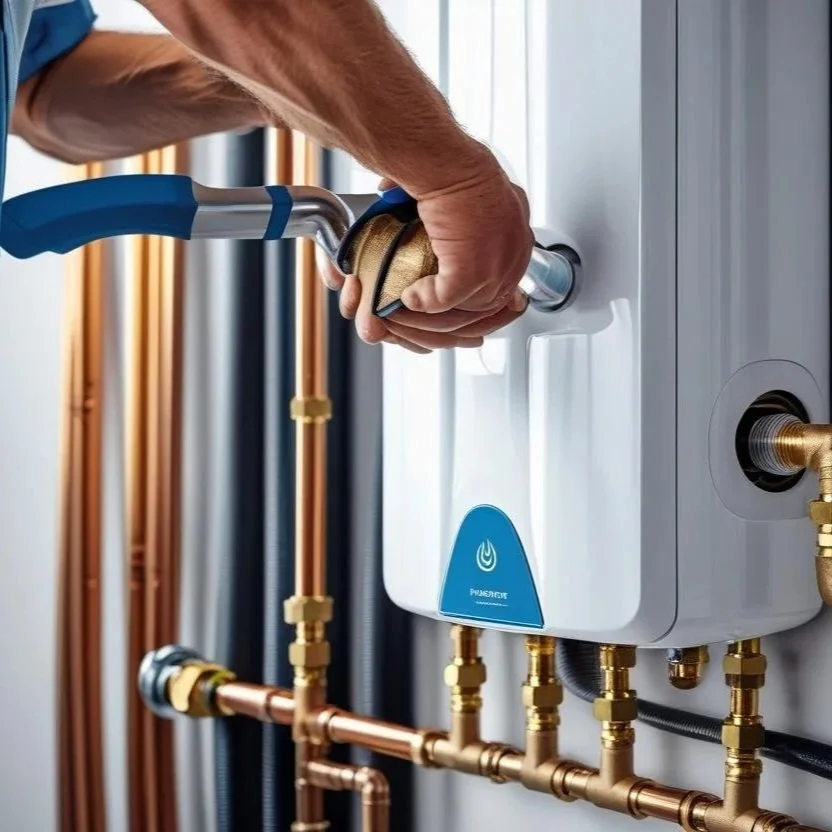
Modern tankless water heater installed on wall, with plumbing and electrical connections, providing on-demand hot water efficiently for household use.
Water heater noises tend to start quietly and grow louder over time, often dismissed as harmless background sounds until they become impossible to ignore. Popping, rumbling, or knocking noises coming from a tank-style water heater usually signal internal conditions that affect efficiency, longevity, and safety. These sounds do not originate from random mechanical quirks. They result from specific physical processes occurring inside the tank as water heats, expands, and interacts with accumulated sediment. Understanding what causes these noises helps homeowners recognize when a system is aging normally versus when it is operating under stress.
Sediment buildup sits at the center of most water heater noise complaints. Minerals naturally present in water separate out as temperatures rise and settle at the bottom of the tank. Over time, this layer thickens and interferes with heat transfer, making the system work harder to deliver hot water. The sounds that follow reflect internal resistance, trapped steam, and uneven heating rather than simple wear. Recognizing these noises early allows homeowners to address internal conditions before efficiency drops sharply or tank damage becomes permanent.
How Sediment Builds Up Inside A Water Heater Tank
Sediment accumulation begins the moment a water heater enters service, especially in areas with hard water. Minerals such as calcium and magnesium separate from water when heated and fall to the bottom of the tank, forming a granular layer. Each heating cycle adds more material, gradually thickening the sediment bed. This process happens slowly and invisibly, which explains why many homeowners remain unaware of internal buildup for years.
As sediment accumulates, it insulates the bottom of the tank from direct heat transfer. Gas burners or electric elements must work longer to heat water through the sediment layer, increasing energy consumption. The trapped water beneath sediment pockets superheats and flashes into steam, creating popping or rumbling sounds as pressure releases. These noises reflect energy inefficiency and internal stress rather than harmless background activity.
Why Popping Sounds Occur During Heating Cycles
Popping sounds occur when water trapped beneath sediment heats rapidly and turns into steam bubbles. As the steam escapes upward through the sediment layer, it collapses, producing sharp popping or crackling noises. These sounds often occur during active heating cycles rather than when hot water is drawn, which helps differentiate sediment-related noise from plumbing expansion sounds.
Repeated popping indicates uneven heat distribution inside the tank. Localized overheating accelerates wear on tank surfaces and heating components. Over time, these conditions degrade protective linings and increase the risk of internal corrosion. While popping noises may seem minor at first, they signal inefficiencies that raise operating costs and shorten system lifespan when left unaddressed.
What Causes Deep Rumbling Or Knocking Noises
Rumbling or knocking noises typically develop after sediment buildup becomes more advanced. Thick sediment layers shift and move as water heats and cools, creating low-frequency vibrations that resonate through the tank. These sounds often resemble distant thunder or rolling stones, especially during long heating cycles.
Rumbling indicates that the water heater must work significantly harder to heat water evenly. The added stress increases burner run time or element activation, raising energy consumption. Over time, the tank experiences thermal fatigue as metal surfaces repeatedly expand and contract unevenly. This mechanical strain contributes to premature failure and increases the likelihood of leaks developing along weakened seams.
How Sediment Affects Energy Efficiency And Performance
Sediment acts as an insulating barrier that blocks heat transfer from the heating source to the water supply. As a result, the system consumes more energy to achieve the same output temperature. Homeowners often notice rising utility bills long before realizing sediment buildup exists inside the tank.
Performance degradation also appears as inconsistent water temperature or longer recovery times between uses. Hot water may run out faster despite the same tank capacity because the effective heating volume decreases. These symptoms often accompany increased noise levels, creating a clear pattern of declining efficiency tied directly to internal sediment conditions.
The Long-Term Impact Of Sediment On Tank Longevity
Sediment buildup shortens water heater lifespan by accelerating internal corrosion and mechanical stress. Trapped heat beneath sediment layers damages protective coatings and exposes bare metal to constant thermal cycling. Over time, this exposure weakens tank integrity and increases the risk of leaks or catastrophic failure.
Heating elements and burners also suffer under sediment conditions. Electric elements overheat when insulated by mineral deposits, while gas burners operate longer to compensate for reduced efficiency. These conditions increase repair frequency and reduce the overall value of continued operation. Noise serves as an early warning that internal damage is progressing, even if external performance still appears acceptable.
Why Ignoring Water Heater Noise Leads To Bigger Problems
Ignoring popping or rumbling noises allows sediment to continue accumulating unchecked. As the buildup thickens, heat transfer efficiency declines further, raising operating costs and increasing mechanical stress. Eventually, noise may diminish not because conditions improve, but because heating components fail or tank damage progresses beyond audible symptoms.
Delayed response often leads to more expensive outcomes, such as element replacement, burner repairs, or full tank replacement. Addressing sediment early through maintenance helps restore efficiency and reduce noise while preserving system integrity. Noise should always be treated as diagnostic information rather than an inconvenience to tolerate.
How Maintenance Interrupts Sediment Accumulation
Routine tank flushing removes loose sediment before it compacts into thick layers. Flushing allows minerals to exit the system, restoring direct contact between heating surfaces and water. This process reduces noise, improves efficiency, and lowers strain on internal components.
Maintenance frequency relies on water quality and usage patterns. Homes with hard water benefit from more frequent flushing to prevent rapid accumulation. While flushing does not eliminate all sediment permanently, it slows progression and helps maintain consistent performance. Proactive maintenance often adds years to water heater service life.
FAQs
Many families of four operate comfortably with a fifty to sixty-gallon tank, depending on shower habits and appliance usage. Homes with frequent simultaneous use may need additional capacity.
A larger water heater increases energy use and standby loss. Proper sizing delivers comfort without unnecessary operating costs.
Low-flow fixtures reduce demand, but usage habits still matter. Downsizing should follow a full assessment of peak demand.
Tankless systems still require careful sizing based on flow rate and temperature rise. Undersized units struggle during simultaneous use.
Undersized water heaters run out of hot water quickly and cycle frequently, increasing wear and reducing comfort.