
When A Faucet Leak Is Actually A Shut Off Valve Or Supply Line Problem
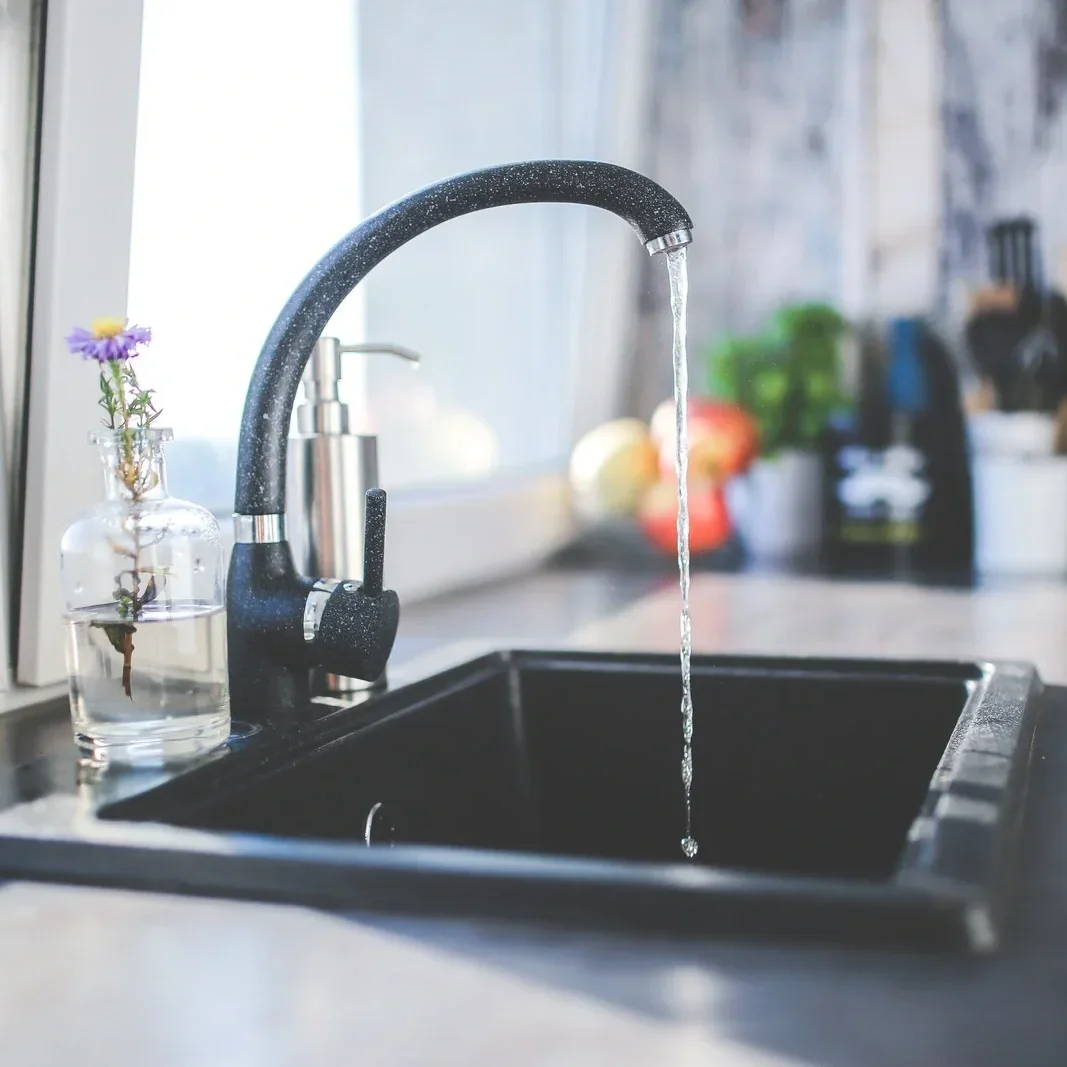
A faucet leak often gets blamed on the faucet itself because that is where water becomes visible.
A faucet leak often gets blamed on the faucet itself because that is where water becomes visible. Homeowners replace cartridges, tighten handles, or swap aerators, only to watch moisture return days later. In many cases, the faucet is not the true source of the problem. Shut off valves and supply lines sit quietly beneath the sink, operating under constant pressure, and when they fail, water often travels upward or outward in ways that mimic a faucet leak. Misidentifying the source leads to repeated repairs that never fully stop the moisture.
Shut-off valves and supply lines experience continuous stress that faucet components do not. They hold pressure even when the faucet is off, flex slightly with temperature changes, and degrade over time due to corrosion and mineral exposure. When these parts fail, water can appear around the faucet base, along the countertop seam, or inside cabinets without an obvious origin. Understanding how valve and supply line failures behave helps homeowners distinguish between a true faucet issue and a problem that sits just below it.
How Shut-Off Valves Create Leaks That Look Like Faucet Failures
Shut off valves control water flow to the faucet and remain pressurized at all times. When internal seals wear or valve bodies corrode, water escapes slowly around the stem or connection point. Because the valve sits below the sink deck, leaked water often travels along supply lines or cabinet surfaces before becoming visible near the faucet.
Valve leaks frequently worsen when the faucet turns on because increased flow raises pressure across the compromised seal. Homeowners may notice moisture only during use and assume the faucet is responsible. In reality, the leak begins at the valve and migrates upward or outward, creating misleading evidence. Valve stem leaks often leave mineral residue or rust staining that points back toward the wall rather than the faucet itself.
Why Supply Line Failures Masquerade As Faucet Leaks
Supply lines connect shut-off valves to the faucet and operate under constant pressure. These hoses flex slightly with cabinet movement, temperature changes, and faucet operation. Over time, internal liners weaken even if the exterior braid looks intact. When a liner fails, water sprays or seeps under pressure and follows the easiest path it can find.
Water from a leaking supply line often runs along the underside of the sink, pools near mounting holes, or drips down cabinet walls. Because the leak appears only when the faucet runs, it feels logical to blame the faucet. In reality, the supply line releases water upstream of the fixture, and gravity carries it toward visible areas. This behavior explains why tightening faucet components rarely resolves the problem.
How Pressure Makes Valve And Supply Line Leaks Worse
High water pressure accelerates valve and supply line failure. Excess pressure stresses seals and hose liners continuously, reducing their lifespan. When pressure spikes occur during faucet use or appliance cycles, weakened components fail more dramatically.
Pressure-related failures often feel sudden. A supply line that looked fine yesterday may spray forcefully today. Shut-off valves may drip intermittently for months before worsening rapidly. Addressing pressure issues helps prevent recurrence after repair. Ignoring pressure ensures new components fail prematurely, repeating the same leak pattern.
Common Signs The Leak Is Not The Faucet
Certain clues suggest the faucet itself is not at fault. Moisture that appears behind the faucet rather than directly beneath the spout points toward upstream issues. Wet cabinet walls, damp supply hoses, or water trails leading from the wall indicate valve or line involvement.
Another sign involves leaks that continue even when the faucet remains off. Because shut-off valves and supply lines stay pressurized, they leak independently of faucet operation. If moisture appears without using the faucet, the source almost always lies below the sink rather than inside the fixture.
Why Tightening Rarely Solves These Leaks
Tightening shut-off valves or supply line connections often feels like a reasonable first step, but it rarely provides lasting results. Valve stem leaks occur inside the valve body, not at external threads. Over-tightening damages internal seals and accelerates corrosion.
Supply line leaks typically originate from internal liner failure rather than loose fittings. Additional torque crushes washers or distorts fittings without stopping the leak. Proper repair involves replacing the failed component rather than forcing compromised parts to seal under pressure.
What These Repairs Usually Involve
Repairing a shut-off valve leak often requires replacing the valve entirely rather than rebuilding it. Modern quarter-turn valves offer improved reliability compared to older multi-turn designs. Replacement eliminates internal wear and reduces future leak risk.
Supply line repair involves replacing the hose with a properly sized and rated line. Stainless braided lines resist corrosion and internal degradation better than older plastic options. Proper routing prevents kinks and reduces stress during faucet use. These repairs focus on restoring pressure containment rather than adjusting existing parts.
When Faucet Repairs Keep Failing For A Reason
Repeated faucet repairs that never fully stop leaks often indicate the wrong component is being addressed. Replacing cartridges, seals, or spouts does nothing if water enters the cabinet from a valve or supply line failure. Each unsuccessful repair adds cost and frustration without resolving the underlying issue.
Diagnosing leaks correctly requires observing the system under pressure and tracing moisture back to its source. Removing cabinet contents and watching connections while running the faucet often reveals the true culprit. Correct diagnosis prevents unnecessary faucet replacement and targets the real failure point.
Why Valve And Supply Line Leaks Get Expensive If Ignored
Slow leaks from valves and supply lines cause disproportionate damage because they remain hidden. Cabinets absorb moisture quietly, leading to swelling, rot, and mold growth. Flooring beneath sinks deteriorates before visible water appears on the surface.
Because these leaks often occur only during use, homeowners underestimate their severity. Over time, repeated moisture exposure weakens structural materials and increases the repair scope far beyond plumbing. Early repair keeps costs limited to components rather than cabinetry and flooring restoration.
Preventing Future Valve And Supply Line Failures
Prevention starts with periodic inspection. Feeling for moisture around valves and hoses after faucet use reveals early leaks. Replacing aging supply lines proactively reduces sudden failure risk. Managing water pressure extends component life significantly.
Upgrading older valves and lines during faucet replacement or renovation provides long-term reliability. Modern materials and designs resist corrosion and seal degradation better than older components. Preventive replacement costs far less than repairing water damage later.
When Replacement Makes More Sense Than Repair
In some cases, replacing both valves and supply lines alongside a faucet upgrade makes sense. Systems with widespread corrosion, outdated materials, or repeated failures benefit from comprehensive replacement rather than piecemeal fixes.
Replacement resets system integrity and reduces uncertainty. It also simplifies future maintenance by standardizing components. Addressing the entire water delivery path protects against hidden leaks that mimic faucet failures and undermine repeated repairs.
FAQs
Moisture under the sink, wet hoses, or water appearing only during use often indicate a supply line problem rather than a faucet issue.
Yes. Shut-off valves remain pressurized at all times and can leak independently of faucet operation.
No. Tightening usually worsens internal seal damage. Valve replacement provides a reliable fix.
Yes. Excess pressure accelerates wear on valves and supply lines, leading to frequent failures.
Yes. Replacing aging lines reduces the risk of sudden leaks and hidden water damage.
Trust Adaven Plumbing for an effectively and efficiently functioning residential plumbing system. We offer drain cleaning, water leak detection and repair, toilet repairs, home repiping, faucet repair and replacement, and plumbing maintenance solutions in Las Vegas. We have a team of licensed technicians who deliver quality work and 24-hour emergency assistance. Call today to schedule a free onsite estimate.