
Water Coming Back Up Into The Sink When Using The Disposal
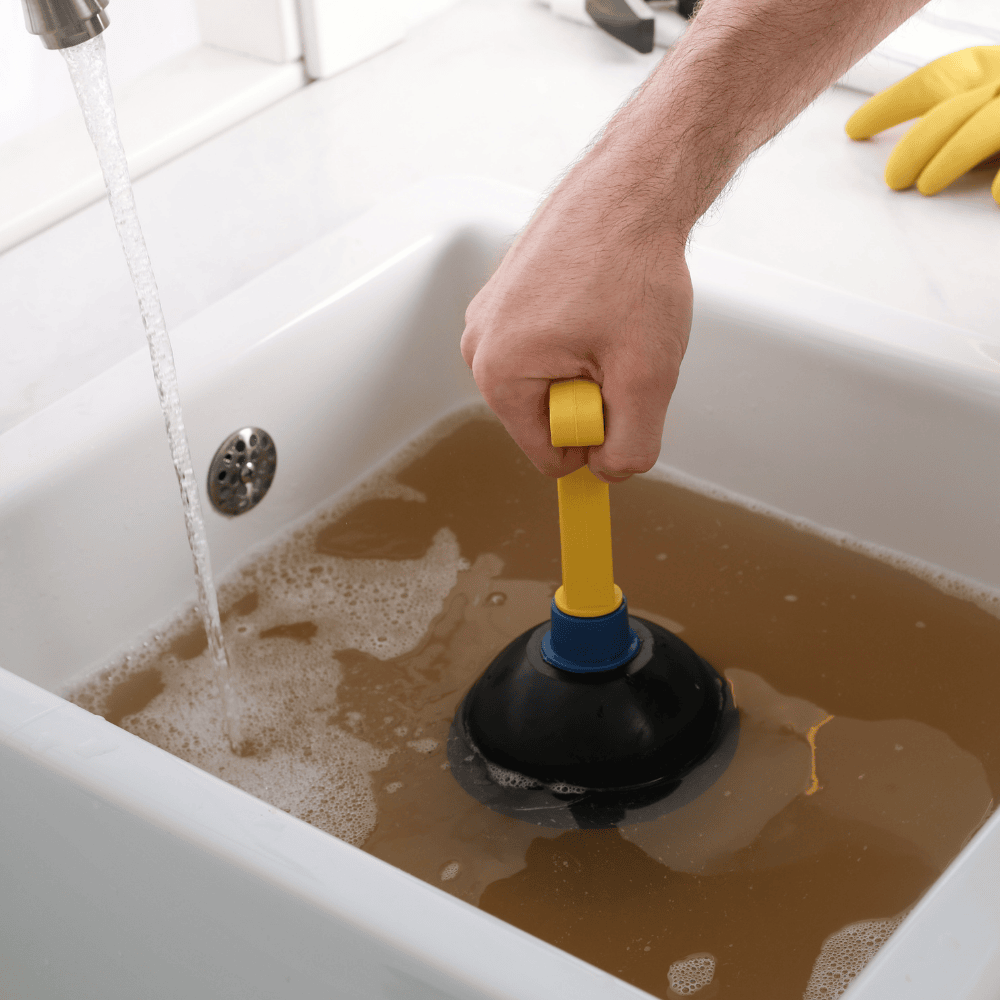
Water rising back into the sink when the garbage disposal runs is one of the clearest signs that something in the drain system is no longer moving waste away efficiently.
Water rising back into the sink when the garbage disposal runs is one of the clearest signs that something in the drain system is no longer moving waste away efficiently. The disposal may sound normal, food may grind as expected, yet water pools in the basin instead of draining. This situation often leads homeowners to assume the disposal itself is broken, when in reality the disposal is usually exposing a downstream drainage problem rather than causing it outright. Understanding why backflow happens helps prevent repeated backups, unpleasant messes, and unnecessary replacement of a disposal that may still function properly.
A garbage disposal does not push water out of the sink on its own. It breaks food into smaller particles and relies entirely on gravity and an open drain line to carry water away. When water comes back up during operation, the system is telling you that the drain path cannot handle the volume or flow being introduced. The cause may sit inches below the sink or several feet down the line, but the symptom appears at the disposal because that is where water and waste enter the system at the highest rate.
Why Backflow Happens When The Disposal Runs
When the disposal operates, water enters the drain faster than during normal faucet use. Ground food particles mix with that water and move toward the trap and the branch drain. If anything restricts that pathway, water slows, pressure builds, and the easiest place for water to go becomes back up into the sink.
This backflow often appears suddenly because partial clogs reach a tipping point. A drain that handled flow marginally yesterday may fail today when additional waste enters. The disposal itself is rarely the blockage point. Instead, it reveals an existing restriction that cannot keep up with demand.
How Partial Drain Clogs Cause Sink Backups
Most sink backups linked to disposals come from partial clogs rather than complete blockages. Grease, soap residue, and fine food particles coat the walls of drain pipes over time. The opening narrows gradually, allowing some water through but not enough to handle high flow.
When the disposal runs, the added volume overwhelms the restricted space. Water slows, stacks up, and reverses direction into the sink basin. Once the disposal stops, the water may drain slowly, creating the illusion that the problem resolved itself. In reality, the clog remains and continues to grow.
Why The P Trap Is Often Involved
The P trap beneath the sink is a frequent contributor to disposal-related backups. This curved section of pipe naturally collects heavier debris. Ground food, grease, and residue settle there when the flow slows.
Over time, the trap fills partially, reducing the effective diameter. Water still drains, but not fast enough to keep up when the disposal runs. Because the trap sits directly below the disposal, backflow appears immediately in the sink. Cleaning the trap often restores proper flow when this is the primary restriction.
How Grease Makes Backups Worse
Grease plays a major role in sink backflow. Liquid grease flows easily into the drain, then cools and solidifies along the pipe walls. Food particles stick to that grease and create thick sludge that resists water flow.
When the disposal introduces new waste, grease-coated pipes cannot move it efficiently. Water slows dramatically and reverses direction. Hot water may seem to help briefly, but it often spreads grease further down the line, where it solidifies again and worsens the problem later.
Why Backups Often Happen Only With The Disposal Of
A sink that drains normally under faucet use but backs up during disposal operation points strongly toward a flow capacity issue rather than a total blockage. The faucet alone does not introduce enough water to overwhelm the restricted drain.
The disposal adds volume, turbulence, and food particles all at once. That combination exposes restrictions that remain hidden during light use. This pattern helps distinguish between a simple slow drain and a disposal-related backup.
How Improper Drain Installation Contributes To Backflow
Installation issues can make backups more likely even without heavy buildup. Drain lines with insufficient slope rely on minimal gravity to move waste. Horizontal runs or sagging pipes allow debris to settle rather than flow.
Improper trap configuration or excessive pipe length before venting also slows drainage. In these setups, the disposal pushes water into a system that cannot clear it efficiently. Backflow becomes a recurring issue regardless of the disposal condition.
Why The Disposal Itself Is Rarely The Cause
Many homeowners assume the disposal is forcing water back up. In reality, the disposal does not generate pressure toward the sink. It simply allows water to pass through while grinding waste.
If the disposal were blocked internally, it would usually hum, stall, or fail to drain at all. When water rises despite normal grinding sounds, the restriction almost always lies beyond the disposal in the plumbing system.
Why Chemical Drain Cleaners Do Not Solve Backups
Chemical drain cleaners rarely fix disposal-related backflow. Grease-based clogs resist chemical breakdown, especially when layered along pipe walls. The chemicals may burn a small channel through the buildup without restoring the full diameter.
These products also damage pipes and disposal components over time. Heat generated by chemical reactions accelerates corrosion and weakens seals. Mechanical cleaning proves far more effective and predictable for restoring proper flow.
When Simple Cleaning Can Stop The Backflow
Early-stage backups often respond to mechanical cleaning. Clearing the P trap removes accumulated debris. Flushing the drain line with appropriate tools restores the diameter and flow.
Cleaning works best when performed before the clog hardens or spreads further down the line. Waiting until water backs up severely increases repair complexity and disruption.
When The Problem Is Deeper In The Drain System
If clearing the trap does not resolve backflow, the restriction likely sits further down the branch drain or main line. These clogs develop over the years and require professional equipment to remove fully.
Repeated backups signal that the drain cannot handle normal use. Ignoring them allows pressure and waste to stress joints and increase leak risk. Addressing deeper clogs restores system capacity and prevents recurrence.
Why Replacing The Disposal Rarely Fixes Backups
Replacing a disposal without addressing the drain restriction usually results in the same problem returning quickly. A new disposal grinds efficiently and sends waste into the same restricted pipe.
Backups reappear because the root cause remains. Replacement makes sense only when the disposal itself cannot grind properly, not when water flow is the issue.
Preventing Sink Backflow When Using A Disposal
Prevention focuses on protecting the drain system. Avoid sending grease down the disposal. Feed waste gradually with cold water running to flush particles through. Limit starchy and fibrous foods that create sludge.
Regular inspection and early response to slow drainage prevent partial clogs from becoming backups. Good habits keep both the disposal and drain line functioning together as designed.
When To Stop Using The Disposal Temporarily
If water consistently backs up, continued disposal use forces waste into an already stressed system. This practice increases the mess and damage risk. Pausing disposal use until the drain issue is resolved prevents escalation.
Using the sink without the disposal may still allow slow drainage, but it reduces the sudden flow spikes that cause backflow. This temporary measure protects the system while repairs are planned.
FAQs
The disposal adds extra water and waste that overwhelm a partially clogged drain, causing backflow.
Usually no. Backflow typically indicates a drain restriction rather than a disposal failure.
Yes. A partially blocked trap slows drainage and causes water to back up during high flow.
Chemical cleaners rarely restore full flow and can damage pipes and disposal components.
If cleaning the trap does not resolve the issue or backups keep returning, professional drain cleaning is recommended.
Call Adaven Plumbing for affordable and lasting tankless water heater installations, water filtration, water softeners, garbage disposal installation, garbage disposal repair, and garbage disposal replacement. Our team stays up-to-date on the current plumbing techniques and technology. Enjoy affordable pricing and same day service. We offer on-time and reliable services. Call today to book an appointment.