
Toilet Tank Leaking: How To Tell If It Is A Crack, a Valve Issue, or Condensation
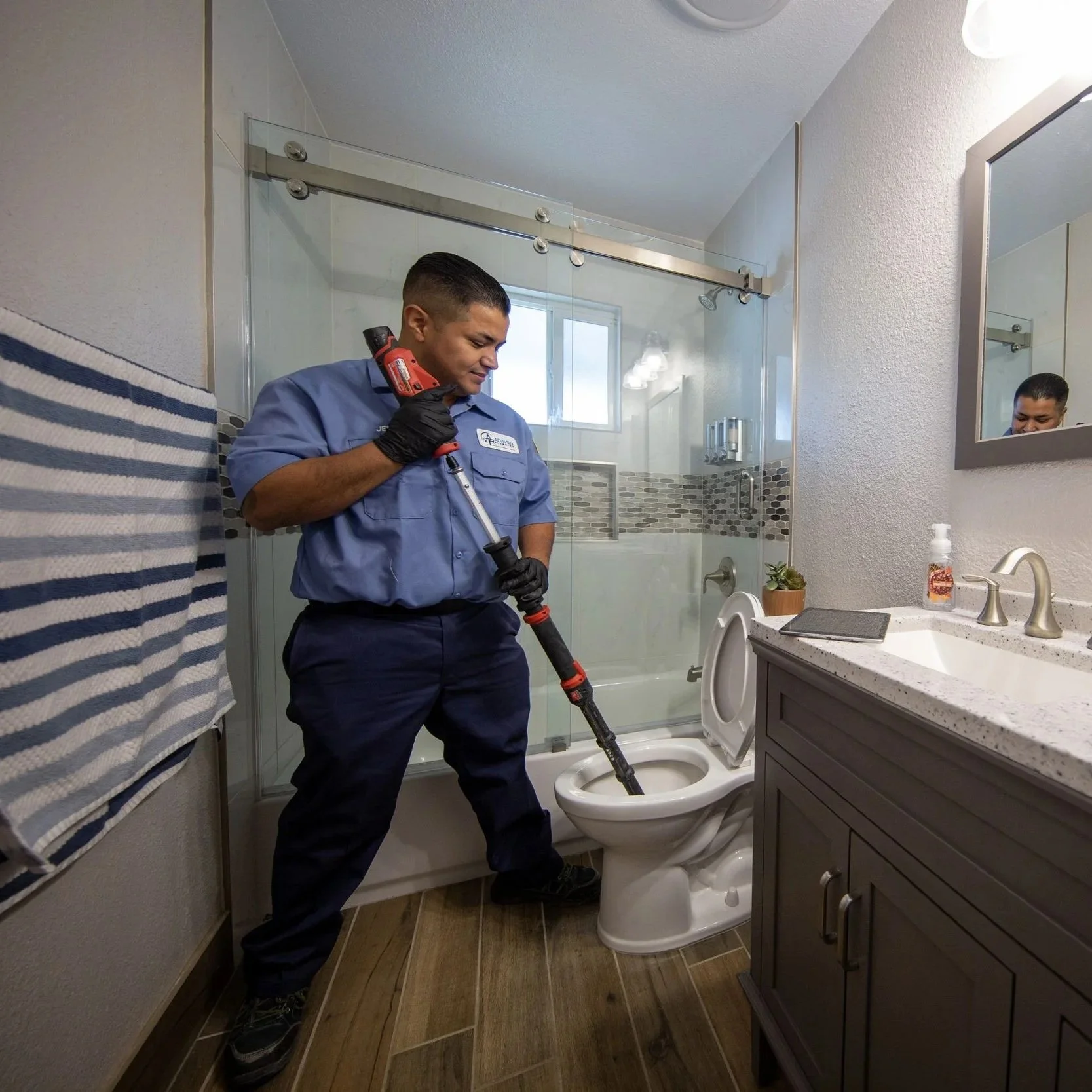
A toilet tank leaking creates confusion because the water often appears without an obvious source.
A toilet tank leaking creates confusion because the water often appears without an obvious source. Homeowners may notice damp flooring, water trails down the porcelain, or small puddles that seem to come and go. Unlike supply line failures or bowl leaks, tank-related moisture can stem from very different causes that require completely different responses. Some situations involve simple component adjustments, while others signal permanent damage that cannot be repaired. Correct diagnosis matters because treating the wrong cause wastes time and allows damage to continue quietly.
Toilet tanks interact with cold water supply, internal moving parts, and warm bathroom air, which creates multiple paths for moisture to appear. A true leak behaves differently from condensation or internal overflow, but those differences are not always obvious at first glance. Understanding how water moves through and around the tank helps homeowners determine whether the issue involves a cracked tank, a failing valve, or normal moisture buildup that only looks like a leak.
How Condensation Mimics A Toilet Tank Leak
Condensation forms when cold water inside the toilet tank cools the porcelain surface below the dew point of the surrounding air. Warm, humid bathroom air contacts the cold tank exterior, causing moisture to collect and drip downward. This condition appears most often during summer months, after showers, or in bathrooms with limited ventilation. Water beads evenly across the tank surface rather than originating from a specific seam or connection point.
Condensation-related moisture typically increases during heavy bathroom use and disappears when humidity drops. Floors may feel damp without visible dripping from valves or fittings. Homeowners often misinterpret condensation as a leak because the water appears clean and consistent. Drying the tank thoroughly and monitoring moisture patterns helps confirm condensation. Improving ventilation, lowering bathroom humidity, or insulating the tank interior often resolves the issue without plumbing repair.
Why A Cracked Toilet Tank Causes Persistent Leaking
Cracks in toilet tanks create continuous leaks that worsen over time. Hairline cracks may release only small amounts of water initially, often appearing as slow seepage along the tank wall or base. As water pressure stresses the porcelain, cracks expand and allow more water to escape. These leaks do not stop when humidity changes and continue regardless of flushing frequency.
Cracks commonly develop due to impact damage, overtightened mounting bolts, or internal stress from temperature changes. Porcelain cannot flex once damaged, which means cracks never heal or stabilize. Repair attempts using sealants rarely hold under constant water pressure. A cracked toilet tank requires replacement because structural integrity has been compromised. Continued use risks sudden tank failure and significant water release.
Fill Valve Problems And Internal Overflow Issues
Fill valves control how much water enters the tank after flushing. When a fill valve fails or becomes misadjusted, water may rise too high and spill into the overflow tube continuously. While this water does not leak externally at first, it creates constant refill cycles that increase condensation and moisture around the tank. Homeowners may hear running water long after flushing completes.
In some cases, worn fill valves spray or drip inside the tank, allowing water to escape through bolt holes or weak seals. External moisture appears near the base of the tank rather than along the porcelain surface. Adjusting or replacing the fill valve restores proper water level and stops unnecessary refill cycles. Valve issues remain repairable when addressed early, but ignoring them increases wear on other components.
Tank To Bowl Gasket And Mounting Bolt Leaks
The connection between the toilet tank and bowl relies on a large gasket and mounting bolts to maintain a watertight seal. Over time, gaskets compress and degrade, allowing water to seep from the joint after flushing. This leak usually appears at the base of the tank and worsens immediately after a flush rather than continuously.
Mounting bolts pass through the tank wall and rely on washers to seal water inside. Corrosion, loose hardware, or deteriorated washers allow water to escape slowly. These leaks often leave mineral trails or rust stains around bolt heads. Replacing gaskets and hardware resolves the problem when the tank itself remains intact. Tightening bolts alone rarely provides lasting results because compression materials have already failed.
How To Distinguish A True Leak From Condensation
Observation plays a key role in accurate diagnosis. Drying the tank completely and placing paper towels beneath suspected areas helps reveal active leaks. Condensation forms evenly across the tank surface, while leaks concentrate at specific points. Timing also matters. Moisture that appears only after flushing points toward valve or gasket issues. Moisture that forms during humid conditions without flushing suggests condensation.
Temperature provides another clue. Cold porcelain covered in moisture during warm conditions indicates condensation. Cracked tanks and valve leaks persist regardless of room temperature. Tracking patterns over several hours often clarifies the source without invasive inspection. Correct identification prevents unnecessary part replacement and ensures appropriate corrective action.
Why Ignoring A Toilet Tank Leak Creates Bigger Problems
Small tank leaks often feel manageable, but prolonged moisture exposure damages flooring, subfloors, and nearby materials. Even slow leaks contribute to mold growth and wood rot beneath bathrooms. Cracked tanks pose a sudden failure risk that releases several gallons of water quickly.
Internal valve leaks also waste water continuously, raising utility costs and accelerating component wear. Addressing tank moisture early prevents compounded damage and reduces repair complexity. Delay rarely improves outcomes and often transforms simple fixes into larger repairs.
When Replacement Becomes The Only Safe Option
Replacement becomes necessary when the tank itself is cracked or structurally compromised. Porcelain damage cannot be reversed safely. In older toilets, repeated gasket or valve failures may justify full replacement rather than continued part replacement.
Replacing the toilet also allows upgrades in water efficiency and reliability. When multiple tank components show wear simultaneously, replacement offers a cleaner solution than piecemeal repairs. Evaluating repair cost relative to fixture age helps guide replacement decisions.
FAQs
A cracked tank leaks continuously and shows visible hairline fractures in the porcelain. Moisture persists even when the humidity is low, and the toilet has not been flushed.
Yes. Condensation forms when cold tank water meets warm, humid air. It appears evenly across the tank surface and increases after showers or during humid weather.
Valve issues, gaskets, and mounting bolts can be repaired. Cracked tanks cannot be safely repaired and require replacement.
Water at the base after flushing often comes from a failing tank to bowl gasket or leaking mounting bolts rather than condensation.
Yes. Continued use increases water damage risk. Shut off the supply and address the issue promptly to prevent further damage.