
Sink Drains Fine but the Tub Backs Up? What It Means
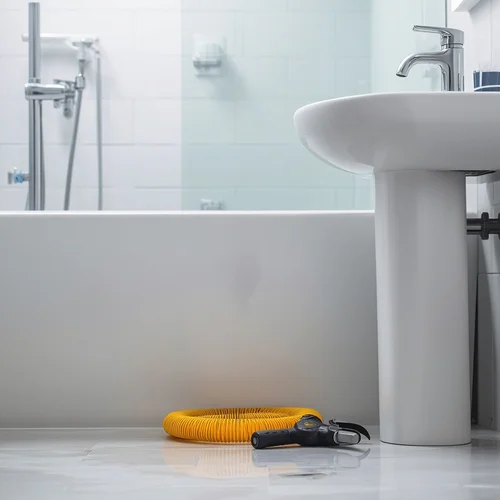
Quick Answer: When one fixture drains fine but another backs up, the clog is usually downstream — in a branch line several fixtures share, or in the main drain that carries everything out of the house. The tub, being one of the lowest fixtures, is where water reappears first when a shared line can't keep up. If multiple low fixtures gurgle or back up, especially when you run other water or flush a toilet, treat it as a main-line problem and stop using water until it's cleared.
Sink Drains Fine, but the Tub Backs Up? What It Means
It's a confusing symptom: the kitchen sink empties without a hitch, but run the bathroom, and the tub fills with water that isn't yours. The drains are connected in ways that aren't obvious from inside the house, and that pattern — one fixture fine, another backing up — is actually a useful clue. It tells you the blockage isn't at either fixture; it's somewhere downstream that they share.
How Your Drains Are Connected
Every fixture in your home drains into progressively larger pipes. Individual fixtures feed branch lines, and the branch lines all join the main drain line that carries everything out to the sewer or septic. So the kitchen sink and the bathtub may run independently for the first few feet, then merge into the same larger pipe further along.
That layout explains the symptom. If the clog were right at the kitchen sink, the kitchen sink would be the one backing up. The fact that the kitchen drains fine while the tub backs up means the obstruction is past the kitchen's branch — in a shared line or the main — and water is backing up to find the lowest open exit it can.
Why the Tub Is Where It Shows Up
Water flows downhill and seeks the lowest opening. When a shared or main line is blocked, the wastewater backs up and seeks the lowest fixture drain to escape through —usually a tub or shower, because they sit lower than sinks. So the tub isn't the problem; it's just the relief valve. You'll often see the same water come up there when you run the washing machine, empty a sink, or flush a toilet, because all that water hits the same blockage and rises through the lowest drain.
This is also why a toilet is such a telling test. If flushing the toilet makes the tub gurgle or fill, that's a strong sign the clog is in the main line that the toilet and tub share, not in any one fixture.
Reading the Signs
| What you notice | What it usually means |
|---|---|
| Tub backs up, but only its own water | Localized clog in the tub/shower branch |
| Tub backs up when you run other fixtures | Shared branch or main-line clog downstream |
| Flushing the toilet makes the tub gurgle or rise | Main-line blockage — stop using water |
| Multiple low fixtures back up at once | Main drain clog or sewer issue |
| Sewage odor or backup at the lowest drain | Possible main sewer line problem |
The single most important distinction is whether the backup is tied to using other water. A tub that backs up only with its own water points to a clog in its own branch line — often hair and soap — which is a contained problem. A tub that backs up when you run the kitchen, the washer, or the toilet points downstream to a shared line or the main, which is a bigger deal.
What to Do
If only the tub is affected and it's tied to its own use, you're likely dealing with a branch clog at the tub or shower — a common, contained issue worth clearing at that fixture. But if running other fixtures or flushing the toilet brings water up in the tub, treat it as a main-line blockage: stop running water in the house, because every sink, flush, and wash cycle just adds to what's backing up, and a main-line clog can push sewage into the home. That's the point of calling a plumber rather than keep plunging one drain.
A main-line clog is usually cleared from a cleanout with a cable or hydro jetting, and a camera inspection can find the cause — grease, buildup, a foreign object, or root intrusion in the sewer line. In an older neighborhood, recurring main-line backups often trace to roots getting into the sewer, which a camera will reveal and which needs more than a household plunger.
There's also a simple habit that helps you catch this early: pay attention to the small warnings before a full backup. Gurgling drains, a toilet that bubbles when a sink empties, or water that drains slower than it used to are often the first signs that a shared line is starting to clog. Acting on those early — rather than waiting for the tub to fill — usually means a quicker, cleaner fix and far less chance of sewage reaching the floor.
Frequently Asked Questions
Because the clog is downstream of the sink, in a line the two fixtures share, or in the main drain. The sink drains fine because its own branch is clear, but water backing up at the blockage rises through the lowest open drain it can find — usually the tub. So the tub backing up while the sink works points to a shared or main-line problem, not a tub clog.
That's a classic sign of a main-line blockage. The toilet and tub feed the same main drain, so when you flush, the water hits the downstream clog and rises through the tub's lowest opening. Gurgling or water coming up in the tub when you flush means you should stop using water and have the main line cleared, as sewage can back up into the home.
It can be. If the tub backs up only when you use other fixtures, or multiple low drains back up together, or flushing makes the tub gurgle, the issue is in the main line or sewer rather than the tub. Sewage odor or backup at the lowest drains points the same way. A camera inspection confirms whether it's the main sewer line.
Not if the backup is tied to running other fixtures. That pattern means a main-line clog, and every sink, flush, and wash cycle adds more water to what's already backing up, which can push sewage into your home. Stop using water and call a plumber. If only the tub backs up with its own water, it's a contained branch clog and less urgent.
A plumber typically clears a main line from a cleanout using a drain cable or hydro jetting, and often runs a camera to find the cause — grease, buildup, a foreign object, or roots in the sewer line. The camera matters because recurring main-line backups, especially in older areas, are frequently caused by root intrusion that needs targeted clearing rather than repeat plunging.
Let the Pattern Point You
A kitchen sink that drains while the tub backs up isn't a mystery — it's your plumbing telling you the clog is downstream, in a line the fixtures share. The tub backs up because it's the lowest escape route, not because it's the problem. Watch whether the backup follows other water use: tied to its own use, it's a contained tub clog; tied to flushing or running other fixtures, it's a main-line blockage to stop and call about before it becomes a mess.
Tub backing up when you run other water? — Get the main line camera-inspected and cleared before it backs into your home. Adaven Plumbing serves Las Vegas and the surrounding area. Call (702) 766-3320.