
Overtightened Toilet Bolts: The Hidden Installation Mistake That Causes Tank Cracks
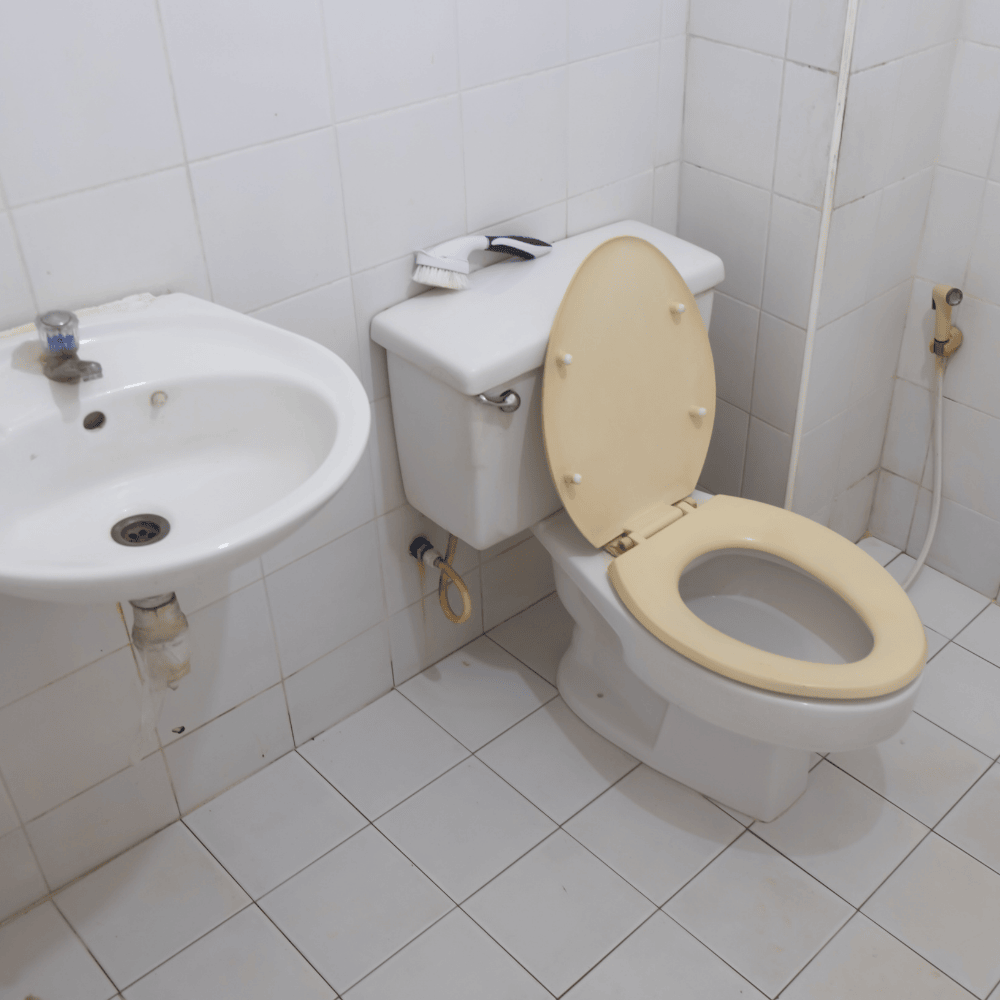
Toilet tank cracks often get blamed on age, bad porcelain, or mysterious pressure problems, but overtightened toilet bolts remain one of the most common and least recognised causes.
Toilet tank cracks often get blamed on age, bad porcelain, or mysterious pressure problems, but overtightened toilet bolts remain one of the most common and least recognised causes. This issue usually starts during installation or a simple repair, when someone tightens mounting bolts just a little more than necessary in an effort to stop a minor wobble or leak. Because porcelain feels solid and unyielding, it gives the false impression that tighter equals safer. In reality, porcelain does not flex under pressure. It absorbs stress until it fractures, sometimes immediately, sometimes months or even years later.
What makes overtightened toilet bolts especially problematic is the delay between the mistake and the visible failure. A toilet tank may appear perfectly fine after installation, only to crack long after the bolts were tightened. Homeowners often assume the crack appeared on its own, never realising the damage was locked in from the moment excessive force was applied. Understanding how bolt pressure interacts with porcelain helps explain why this installation mistake causes tank cracks and why those cracks so often seem sudden and unexplained.
How Toilet Tank Bolts Are Designed To Work
Toilet tank bolts are designed to hold the tank securely against the bowl using compression, not force. Rubber washers create the watertight seal, while the bolts simply keep the tank aligned and stable. When installed correctly, the tank rests evenly on the bowl with minimal pressure concentrated at any single point. The bolts are not meant to pull the tank tightly against the porcelain surface or act as structural anchors.
Problems arise when installers treat the bolts like standard fasteners used on wood or metal. Porcelain responds very differently to pressure. Instead of compressing slightly and redistributing force, it concentrates stress at the bolt holes. Even small increases in torque create high localised pressure around those openings. Once stress exceeds what the porcelain can tolerate, microscopic fractures form beneath the surface, setting the stage for future cracking.
Why Porcelain Cracks Instead Of Flexing
Porcelain is strong under compression but extremely brittle under tensile stress. Bolt holes represent natural weak points because material thickness changes abruptly and stress concentrates at the edges. When bolts are overtightened, the porcelain around the holes experiences radial stress that spreads outward like invisible fault lines.
These stress fractures may remain hidden initially because water pressure and temperature changes have not yet pushed them to failure. Over time, normal tank operation adds constant internal pressure, repeated filling cycles, and subtle thermal expansion. Eventually, the crack reaches the surface and begins leaking or splitting further. At that point, the damage looks sudden, but the real failure occurred during installation.
Why Cracks Often Appear Long After Installation
Delayed cracking explains why overtightened toilet bolts cause so much confusion. A tank may sit undisturbed for months or years before cracking. During that time, water pressure pushes outward continuously, while temperature changes from cold refill water and warm bathroom air expand and contract the porcelain slightly. These forces slowly work against the weakened area around the bolt hole.
Eventually, the fracture reaches a critical point and opens visibly. Homeowners may notice a hairline crack, moisture along the tank wall, or water pooling unexpectedly. Because no recent work occurred, the crack feels random. In reality, the failure represents the final stage of stress that began the moment the bolts were overtightened.
Common Situations Where Bolts Get Overtightened
Overtightening often happens during DIY installations or quick repairs. Someone notices a minor leak between the tank and bowl and instinctively tightens the bolts further instead of replacing the gasket. Others attempt to stop a slight tank wobble by cranking down on one side, creating uneven pressure that stresses the porcelain asymmetrically.
Even experienced installers can overtighten bolts when working quickly or without proper washers. Uneven tightening, using metal washers directly against porcelain, or skipping rubber cushioning all increase risk. The mistake usually comes from good intentions rather than carelessness, which is why it remains so common.
Why Tightening More Never Fixes Tank Leaks
Tank leaks caused by gaskets or washers cannot be solved by additional bolt pressure. Rubber seals compress only to a certain point. Once compressed, further tightening does nothing to improve the seal and instead transfers force directly into the porcelain. At that stage, the leak may temporarily slow, but internal stress rises sharply.
Proper leak correction involves replacing worn gaskets or washers, not increasing torque. Tightening beyond the seal’s design limit turns a simple repair into a structural failure waiting to happen. Understanding this distinction prevents unnecessary tank replacement caused by well-intentioned over-tightening.
How To Recognize Early Warning Signs Of Bolt Stress
Early signs of bolt-related stress often appear around the mounting holes. Small hairline cracks radiating outward from bolt locations indicate structural compromise. Moisture near bolts without obvious gasket failure also suggests internal fractures beginning to open.
Another warning sign involves uneven tank alignment. If one side of the tank sits lower or feels rigidly locked while the other has slight movement, uneven bolt tension may already exist. These conditions warrant immediate inspection and adjustment before cracks propagate further. Ignoring early symptoms increases the likelihood of full tank failure.
Why Cracked Tanks Cannot Be Safely Repaired
Once a toilet tank cracks due to overtightened bolts, repair is not a safe option. Porcelain cracks compromise the structural integrity of the tank wall, which must hold water under constant pressure. Sealants, epoxies, or patches may slow visible leakage briefly, but they do not restore strength or stop crack propagation.
Continued use of a cracked tank risks sudden rupture, releasing several gallons of water rapidly. Because failure can occur without warning, replacement becomes the only responsible solution. Addressing bolt tension correctly prevents reaching this irreversible stage.
Proper Bolt Tightening Technique That Prevents Cracks
Correct tightening focuses on balance and restraint. Bolts should be tightened evenly, alternating sides gradually until the tank rests securely on the bowl. The goal involves eliminating movement, not compressing porcelain. Rubber washers should always separate metal components from ceramic surfaces.
Once the tank feels stable and no leaks appear after flushing, tightening should stop. If leaks persist, the gasket or washers require replacement rather than additional torque. Using controlled hand tightening rather than tools that encourage over-torque helps maintain safe pressure levels.
Why Professional Installation Reduces This Risk
Professionals understand how little force porcelain requires to fail. Proper installation techniques prioritise gasket condition, washer placement, and even pressure distribution rather than brute force. Experience teaches when to stop tightening, which is difficult to judge without familiarity.
Professional installation also includes leak testing and alignment checks that catch issues before stress accumulates. While DIY installation remains common, understanding the risks associated with overtightened toilet bolts helps homeowners decide when professional help is necessary to prevent costly mistakes.
FAQs
Yes. Stress fractures from overtightening often develop slowly and may not become visible for months or years after installation.
Bolts should be tight enough to prevent movement and seal properly, but never forced. Once the tank is stable and leak-free, tightening should stop.
No. Leaks caused by gaskets require gasket replacement. Additional tightening increases crack risk without fixing the problem.
Yes. Hairline cracks typically expand under water pressure and temperature changes, eventually leading to leaks or tank failure.
Yes. Cracked tanks cannot be safely repaired and pose a flooding risk. Replacement is the only safe solution.