
Know Your Water: The Difference Between Soft and Hard Water
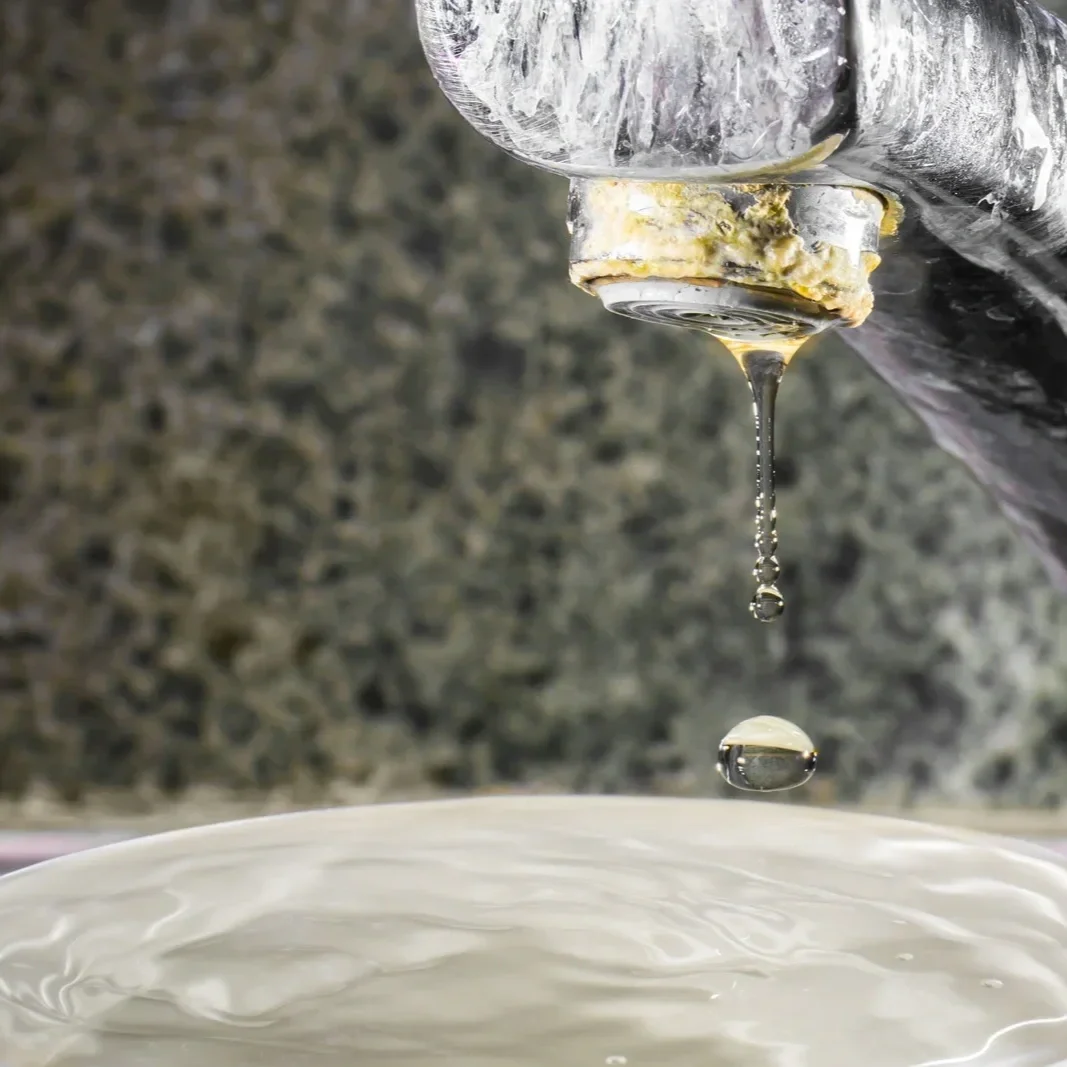
Learning what these minerals mean for your plumbing and how to manage them can save you money and help your water system perform at its best.
Every household depends on a reliable supply of clean water, but not all water behaves the same way. If you’ve noticed spots on your dishes, dry skin after a shower, or buildup around your faucets, you may be experiencing the effects of hard water. On the other hand, soft water feels smoother, helps soaps lather easily, and keeps plumbing systems running efficiently. Understanding the difference between soft and hard water isn’t just about preference; it’s about protecting your home, your plumbing, and your health.
What Makes Water Hard or Soft
The defining difference between soft and hard water is the amount of dissolved minerals, mainly calcium and magnesium. As rainwater travels through the ground, it passes through rock layers such as limestone and chalk, picking up these minerals along the way. The more minerals the water absorbs, the harder it becomes.
Water hardness is typically measured in parts per million (ppm) or grains per gallon (gpg). Anything below 17 ppm is soft, while anything above 180 ppm is considered very hard. Most of Southern Nevada’s water measures well above 200 ppm, making it some of the hardest water in the country.
Soft water, on the other hand, contains very few dissolved minerals. It can occur naturally in areas where water sources do not flow through mineral-heavy rock. Still, in regions like Las Vegas, soft water is typically achieved through water-softening systems that remove or neutralize calcium and magnesium.
How Hard Water Forms
Hard water begins as soft rain. As that rainwater seeps through the ground, it absorbs minerals from the soil and rock formations it passes through. Over time, groundwater in regions with high calcium and magnesium levels becomes mineral-heavy. When that water enters city pipes or wells, it reaches your home with those minerals still intact.
Because Las Vegas sits in a desert basin surrounded by limestone, local water picks up large quantities of these minerals. While they aren’t dangerous to drink, they cause a range of household issues, from clogged plumbing to premature appliance wear.
Everyday Signs of Hard Water
Many homeowners can identify hard water without a test simply by observing how their home reacts to it. Common signs include:
Chalky or white spots on dishes, glassware, and silverware
Soap scum buildup on sinks, bathtubs, and shower doors
Faded or stiff laundry after washing
Reduced water pressure from scale buildup in pipes
Dry, itchy skin and dull hair after bathing
Cloudy ice cubes or unpleasant-tasting water
Even if you do not notice these issues right away, hard water leaves a silent trail of mineral buildup inside pipes and water heaters. Over time, this buildup restricts flow, reduces heating efficiency, and can lead to costly plumbing repairs.
Hard Water and Your Plumbing System
The biggest downside to hard water is its effect on your plumbing system. Calcium and magnesium deposits collect on pipe walls, fixtures, and appliance components. These deposits, commonly called limescale, act like concrete inside your pipes, narrowing their diameter and forcing your plumbing to work harder.
In water heaters, these minerals form a thick layer of sediment that insulates heating elements. That means your water heater must use more energy to warm the same amount of water, leading to higher utility bills and a shorter appliance lifespan. Hard water buildup can also affect dishwashers, washing machines, and other appliances that use hot water.
The Health Perspective
While hard water isn’t dangerous, it does have minor effects on comfort and appearance. The minerals in hard water react with soap, leaving behind residue on your skin and hair. This residue can block pores, trigger dryness, and make shampooing feel ineffective. Hard water can also leave hair feeling heavy or brittle, especially in dry climates like Southern Nevada’s.
Drinking hard water may provide trace minerals beneficial for bone and dental health. However, for individuals with kidney concerns or those who must limit mineral intake, softened water or filtered options may be preferable.
What Is Soft Water
Soft water contains low levels of calcium and magnesium. When achieved with a water softener, the process typically involves an ion-exchange system. As hard water passes through a resin tank, calcium and magnesium ions are replaced with sodium or potassium ions. This results in water that feels smoother, cleans better, and leaves less residue.
Soft water naturally prevents limescale buildup in pipes and fixtures, helps detergents and soaps work effectively, and reduces wear on appliances. Many Las Vegas homeowners notice the difference immediately after switching to a softening system: shiny dishes, softer clothes, and smoother showers.
Advantages of Soft Water
Soft water has several benefits that extend beyond convenience:
Appliances like dishwashers, washing machines, and water heaters last longer
Plumbing systems experience fewer clogs and mineral deposits
Water pressure remains consistent over time
Soap and detergents perform better, requiring smaller amounts
Laundry colors stay vibrant, and fabrics feel softer
Hair and skin retain natural moisture, feeling smoother and healthier
Hard water spots disappear from glassware and fixtures
By removing the excess minerals before they enter your home’s water lines, a water softener helps preserve the integrity of your plumbing while improving overall comfort.
Disadvantages of Soft Water
Soft water is not without its tradeoffs. Because the softening process replaces calcium and magnesium with sodium or potassium, softened water can contain slightly elevated sodium levels. For most households, the concentration is minimal, but people on sodium-restricted diets should be aware of it. Potassium-based systems are an excellent alternative for those who wish to avoid added sodium.
Another consideration is cost. Installing a water softener requires an upfront investment, and the system needs regular maintenance to perform effectively. Still, most homeowners find that the long-term savings in appliance efficiency and reduced plumbing repairs easily offset the expense.
Water Testing: Why It Matters
Knowing your water hardness is the first step to improving its quality. While do-it-yourself test strips are available, they can be unreliable. Professional plumbers use precise testing equipment that measures hardness in parts per million, detects additional contaminants, and identifies the source of mineral intrusion.
In Las Vegas, professional testing can also reveal if your water contains trace metals, sediment, or chlorine that may require filtration in addition to softening. Once testing is complete, your plumber can recommend the right treatment system for your household’s specific water profile.
Water Softening vs. Filtration
Many homeowners confuse softening with filtration, but they serve different purposes. Water softening targets minerals like calcium and magnesium, while filtration removes impurities such as chlorine, rust, or bacteria. Some systems combine both functions, providing clean, soft water for the entire home.
For instance, combining a softener with a carbon filtration system can improve both water quality and taste, ensuring that every tap in the house delivers safe, efficient water.
Maintenance and Longevity
Water softeners require occasional attention to stay effective. The resin bed that removes minerals must regenerate periodically, and salt or potassium pellets should be refilled as needed. Scheduling annual professional maintenance ensures your system continues working at full efficiency.
In homes with especially hard water, like most of Clark County, plumbers often recommend periodic inspection of water heaters and pipes. Catching scale buildup early prevents major damage and keeps your plumbing system running smoothly.
The Environmental and Cost Benefits
While the primary goal of a water softener is protection and comfort, it also contributes to sustainability. Soft water reduces detergent use, shortens cleaning times, and lowers appliance energy consumption. When systems operate efficiently, homeowners use fewer resources and produce less waste, making softening an eco-friendly choice for long-term water management.
When to Call a Professional
If you notice cloudy dishes, poor water pressure, or a persistent residue around your fixtures, hard water is likely the cause. A professional plumber can perform testing, recommend appropriate systems, and install equipment that fits your home’s layout and water demand.
Plumbing professionals also verify the softener is correctly connected to your water lines and meets local regulations, protecting both your home and your warranty coverage.
Urgent Homeowner FAQ: Soft & Hard Water in Las Vegas, Nevada
How can I tell if I have hard water?
Common signs include white mineral spots, soap scum buildup, and dry skin. Professional testing gives the most accurate reading.
Is hard water safe to drink in Las Vegas?
Yes. It is generally safe, though many residents prefer soft or filtered water for taste and appliance longevity.
Does soft water save energy?
Yes. Soft water improves appliance efficiency and helps water heaters warm faster, lowering utility costs.
Will soft water damage my plants?
Softened water contains sodium, which can affect soil health. Use a system with a bypass for outdoor faucets to avoid watering with softened water.
How often should my water softener be serviced?
Annual service is recommended to check for salt bridging and resin efficiency.
What is the best solution for Las Vegas homeowners?
A combined water softening and filtration system offers the best defense against the area’s mineral-heavy water, extending the life of plumbing and appliances.
Protecting Your Home with Softer Water
Understanding the difference between soft and hard water is more than a chemistry lesson; it is an investment in your home’s longevity. In Las Vegas, where water hardness is among the highest in the nation, professional testing and softening services can make a measurable difference in comfort, efficiency, and maintenance costs.
If your home shows signs of hard water, a licensed plumber can help you identify the problem, design a custom solution, and install a reliable system. With clean, soft water flowing through your pipes, you will enjoy smoother skin, brighter laundry, and a plumbing system that stands the test of time.