
Kitchen Faucet Side Sprayer Problems Leaks Low Pressure And Replacement Options
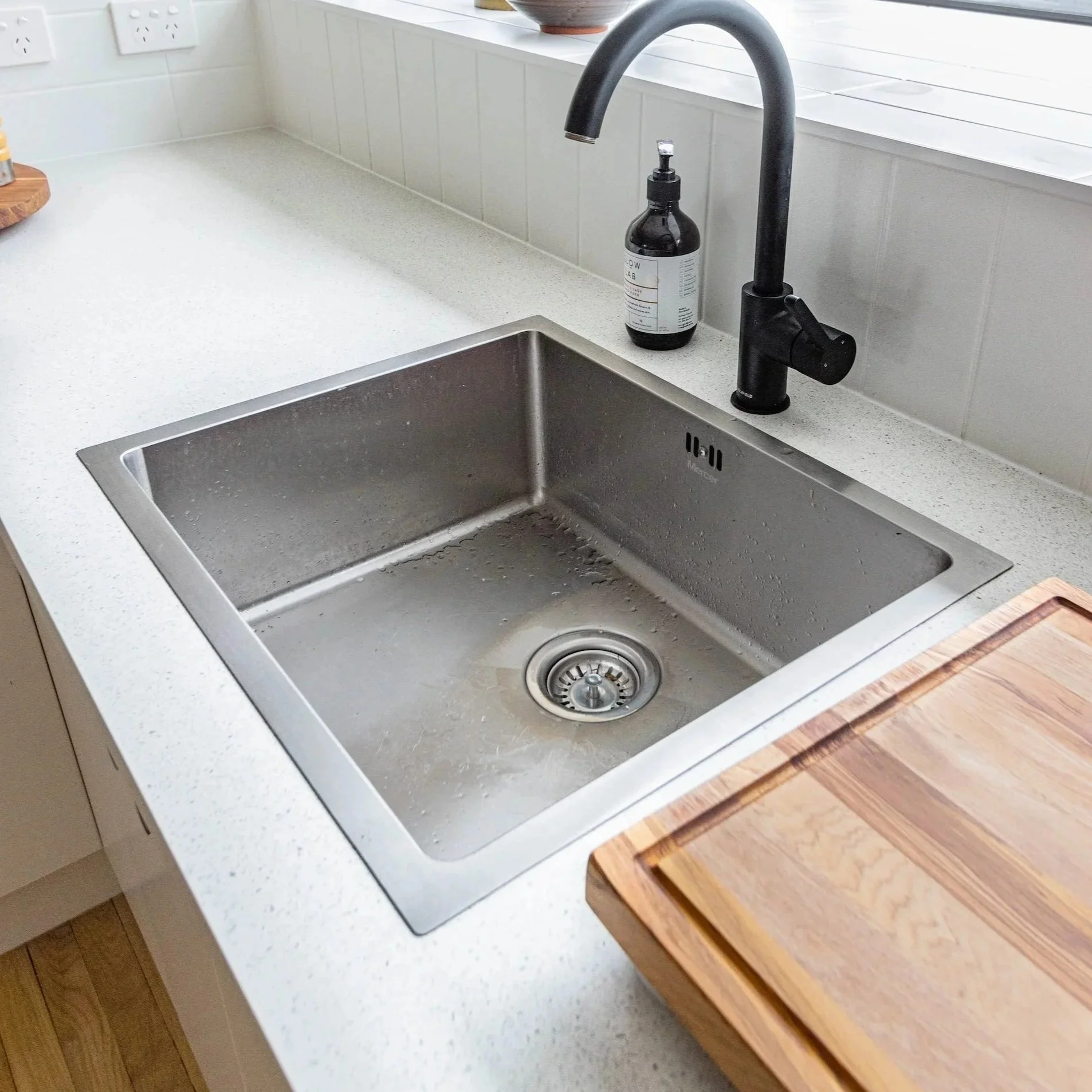
Kitchen faucet side sprayers add convenience, but they also introduce some of the most common and confusing faucet problems homeowners face.
Kitchen faucet side sprayers add convenience, but they also introduce some of the most common and confusing faucet problems homeowners face. Leaks under the sink, sudden pressure loss, or water spraying where it should not be often trace back to the side sprayer system rather than the main faucet body. Because side sprayers operate through flexible hoses and internal diverters, failures often remain hidden until cabinet damage or persistent performance issues appear.
Side sprayer problems rarely stay isolated. A failing hose, worn diverter, or internal blockage affects the entire faucet system by redirecting pressure in unintended ways. Understanding how side sprayers work and why they fail helps homeowners choose the right repair approach and decide when replacement makes more sense than continued troubleshooting.
Why Kitchen Side Sprayers Leak Under The Sink
Leaks under the sink represent the most common side sprayer complaint. Flexible hoses supplying the sprayer experience constant movement every time the sprayer is pulled out and retracted. Over time, that movement fatigues the hose material and weakens internal liners. Small cracks develop inside the hose long before external signs appear.
When the faucet turns on, pressurized water escapes through those internal failures and sprays inside the cabinet. Because the leak only occurs during faucet use, it often goes unnoticed until the flooring swells or mold develops. Replacing the hose resolves the issue when caught early. Continued use allows moisture damage to spread far beyond the plumbing itself.
How Diverter Valves Cause Side Sprayer Problems
The diverter valve controls whether water flows to the faucet spout or the side sprayer. When the sprayer button is pressed, the diverter redirects water to the hose. When released, it returns flow to the spout. Over time, mineral buildup and seal wear prevent the diverter from sealing properly.
A failing diverter causes symptoms that confuse homeowners. Water pressure at the main spout drops unexpectedly. The sprayer may drip continuously. In some cases, water sprays inside the cabinet because pressure escapes through the sprayer line even when the sprayer is not in use. Diverter replacement restores proper flow routing and resolves multiple symptoms at once.
Low Pressure At The Faucet Caused By Side Sprayer Issues
Side sprayer problems often masquerade as general faucet pressure issues. A partially failed hose or stuck diverter restricts flow and robs pressure from the main spout. Homeowners may clean aerators repeatedly without improvement because the restriction exists upstream inside the faucet body.
Low pressure caused by side sprayers typically worsens when the sprayer button sticks or when internal passages clog with mineral scale. Disconnecting the sprayer temporarily often restores full pressure, confirming the source. Permanent repair requires addressing the failed sprayer components rather than the spout.
Sprayer Heads That Leak Or Fail To Shut Off
Sprayer heads contain small internal valves and seals that degrade over time. When these components fail, water leaks from the spray head even when it is not pressed. Dripping may continue after faucet use, allowing water to travel back down the hose and pool under the sink.
Leaking sprayer heads also allow air into the system, contributing to sputtering or inconsistent flow at the spout. Replacing the sprayer head often resolves these symptoms, but underlying hose or diverter wear should be evaluated at the same time to prevent recurrence.
Why Tightening Connections Rarely Solves Sprayer Leaks
Sprayer leaks tempt homeowners to tighten fittings aggressively. This approach rarely works because most failures involve internal hose liners or worn seals rather than loose connections. Over-tightening damages fittings and accelerates hose failure.
Correct repair focuses on replacing failed components rather than forcing compromised parts to seal under pressure. Identifying whether the leak originates from the hose, diverter, or spray head prevents unnecessary damage and repeated repairs.
Replacement Options For Failing Side Sprayers
Replacement options depend on faucet design and overall condition. Many faucets allow side sprayer hose and head replacement without replacing the entire faucet. This approach works when the faucet body and diverter remain in good condition.
In older faucets or systems with repeated side sprayer failures, replacing the entire faucet often provides better reliability. Modern pull-down faucets eliminate separate side sprayer hoses and reduce leak points. Choosing replacement over repeated repairs often saves money by preventing ongoing cabinet damage and service calls.
When It Makes Sense To Eliminate The Side Sprayer Entirely
Some homeowners choose to eliminate the side sprayer rather than replace it. Removing the sprayer requires capping the diverter port and installing a cover plate on the sink. This option works well when the sprayer sees little use or when repeated failures make maintenance frustrating.
Eliminating the sprayer simplifies the system and removes several failure points. Pressure at the main spout often improves immediately. This solution balances cost, reliability, and function for kitchens that do not rely heavily on sprayer use.
Why Side Sprayer Problems Get Expensive When Ignored
Hidden leaks from side sprayers cause disproportionate damage because water remains trapped inside cabinets. Wood absorbs moisture slowly, leading to rot, swelling, and mold growth. By the time damage becomes visible, repair extends far beyond plumbing.
Addressing side sprayer problems early keeps repairs limited to hoses, diverters, or heads. Delayed response turns minor fixes into cabinet restoration projects. Fast action protects both plumbing and surrounding structures.
Preventing Future Side Sprayer Failures
Prevention focuses on reducing stress and buildup. Avoid forcing the sprayer hose into tight loops beneath the sink. Periodic inspection for moisture helps catch early leaks. Managing water pressure and mineral buildup extends component life.
Replacing hoses proactively after years of use reduces the risk of sudden failure. Awareness of how side sprayers fail allows homeowners to intervene before damage escalates.
FAQs
The most common cause is a cracked or worn sprayer hose that leaks only when pressurized.
Yes. Failed hoses or diverters restrict flow and lower pressure at the main spout.
Not always. Many sprayer hoses and heads can be replaced independently if the faucet body remains in good condition.
No. Continued use allows hidden water damage inside cabinets and flooring.
Yes. Pull-down designs eliminate separate hoses and diverters, reducing common leak points and maintenance needs.
Trust Adaven Plumbing for an effectively and efficiently functioning residential plumbing system. We offer drain cleaning, water leak detection and repair, toilet repairs, home repiping, faucet repair and replacement, and plumbing maintenance solutions in Las Vegas. We have a team of licensed technicians who deliver quality work and 24-hour emergency assistance. Call today to schedule a free onsite estimate.