
Is It Safe To Use A Toilet With A Cracked Tank? What To Do Immediately
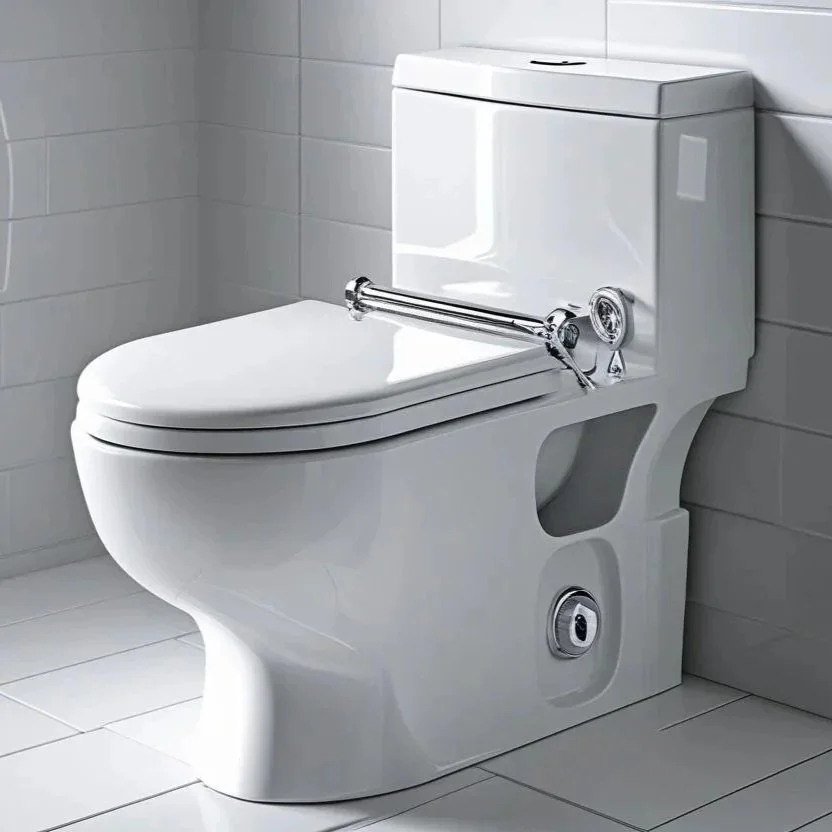
A cracked toilet tank creates a false sense of safety because the toilet often continues to function normally at first.
A cracked toilet tank creates a false sense of safety because the toilet often continues to function normally at first. Water still fills, flushing still works, and the crack may look small or cosmetic. That appearance leads many homeowners to keep using the toilet while planning to deal with it later. Unfortunately, toilet tank cracks do not behave like slow plumbing leaks or worn seals. They represent a structural failure in a pressurized porcelain vessel, and that distinction changes everything about risk and urgency.
Toilet tanks hold several gallons of water under constant pressure from the supply line. Porcelain does not flex or self-correct once damaged. A crack means the tank wall has already lost integrity, even if water release remains minimal. Understanding what that crack means mechanically helps clarify why continued use is unsafe and what actions should happen immediately to prevent flooding, property damage, or sudden failure.
Why A Cracked Toilet Tank Is Not Safe To Keep Using
A toilet tank with a crack operates under constant stress every moment it contains water. Internal pressure pushes outward against the porcelain walls continuously, not just during flushing. When a crack exists, that pressure concentrates at the fracture line, forcing it to widen over time. Even hairline cracks grow under steady stress and temperature changes caused by repeated refilling with cold water.
The danger lies in unpredictable failure. A cracked tank may leak slowly for days or weeks, then split suddenly without warning. When that happens, several gallons of water are released rapidly, often faster than someone can react. Unlike a dripping valve or supply line, tank failure produces immediate flooding that spreads across floors and into adjacent rooms. Continued use keeps pressure on the crack and accelerates that risk, even if no visible change appears day to day.
How Tank Cracks Behave Compared To Other Toilet Leaks
Many toilet leaks remain manageable because they involve components rather than the structure. A leaking fill valve, gasket, or supply line drips at predictable rates and responds to repair. A cracked tank behaves differently because the material holding water has failed.
Cracks may seep water along the porcelain surface or appear dry between flushes, which leads to confusion. The absence of constant dripping does not mean the crack is stable. Porcelain fractures propagate internally before becoming visibly worse. Pressure and temperature cycles continue working the crack beneath the surface, even when no water escapes externally. That hidden progression explains why tanks sometimes rupture overnight or while the bathroom is unused.
What To Do Immediately If You See A Crack In The Tank
The first action should be shutting off the water supply to the toilet. Closing the supply valve behind the toilet removes pressure from the tank and prevents further stress on the crack. This step alone dramatically reduces the risk of sudden rupture.
Next, flush the toilet once after shutting off the supply to drain most of the water from the tank. This relieves internal pressure and limits the amount of water that could escape if the crack worsens. After draining, avoid using the toilet again. Do not reopen the supply even if the crack appears dry. The tank should remain empty until replacement occurs.
If water has already leaked onto the flooring, drying the area promptly helps prevent damage and allows better monitoring for additional moisture. Marking the crack location or photographing it helps confirm the diagnosis and prevents mistaking condensation or valve issues for structural damage.
Why Temporary Patches Do Not Make It Safe
Sealants, epoxies, and patch kits often get marketed as quick fixes for porcelain cracks. These products may reduce visible leaking temporarily, but they do not restore structural strength. The tank still holds pressurized water, and the crack continues spreading beneath any applied patch.
Temporary repairs often fail suddenly rather than gradually. A patched crack may appear stable for weeks, then release catastrophically when pressure or temperature changes push the fracture past the patched area. Using a toilet with a patched tank creates a false sense of security that increases risk rather than reducing it. Replacement remains the only safe response to a cracked tank.
How To Confirm It Is A Crack And Not Condensation Or A Valve Issue
Condensation forms evenly across the tank surface and increases with humidity. A crack produces moisture that follows a specific line or seam and persists regardless of room conditions. Drying the tank completely and watching where moisture reappears helps distinguish between the two.
Valve or gasket leaks typically appear near fittings, bolts, or the base of the tank and often worsen during or immediately after flushing. Tank cracks usually leak along the porcelain wall or near the bottom edge and may continue even when the toilet is not flushed. Any visible fracture line in the porcelain should be treated as a crack, regardless of leak behavior.
When Replacement Becomes Urgent Rather Than Optional
Once a crack exists, replacement should be planned immediately rather than deferred. Continued use places stress on a compromised structure that cannot heal or stabilize. The cost of replacing a toilet or tank remains far lower than repairing water damage from a sudden rupture.
Replacement urgency increases if the crack runs vertically, extends from bolt holes, or appears near the base of the tank. These locations experience higher stress and fail faster. Even small cracks in these areas warrant immediate action rather than monitoring.
Why Cracked Tanks Often Fail Without Warning
Porcelain failure follows a stress accumulation pattern rather than a slow, predictable leak progression. The crack grows internally under pressure until the remaining material cannot hold water any longer. At that point, failure occurs abruptly.
No reliable visual cue signals when a rupture will happen. The tank may look unchanged minutes before failure. This unpredictability makes continued use unsafe even when leaks appear minimal. Removing pressure through shutdown and replacement eliminates that risk entirely.
How Replacement Solves Both Safety And Reliability
Replacing a cracked tank restores structural integrity and removes the uncertainty associated with compromised porcelain. New fixtures also correct any underlying issues that may have contributed to cracking, such as overtightened bolts or aging components.
Replacement provides predictable operation without the constant concern of sudden failure. It also allows evaluation of installation practices to prevent future cracking. Addressing the issue fully protects property, prevents water damage, and restores confidence in everyday use.
FAQs
No. A cracked tank can rupture without warning and release several gallons of water quickly. Continued use is unsafe.
Yes. Turn off the supply valve and drain the tank to remove pressure as soon as a crack is discovered.
No. Porcelain cracks cannot be safely repaired. Replacement is required.
Even hairline cracks expand under pressure and temperature changes. Size does not determine safety.
Yes. Tank failure often happens abruptly without visible warning signs, which is why immediate action matters.