
How To Extend The Life Of Your Garbage Disposal Beyond Basic Cleaning
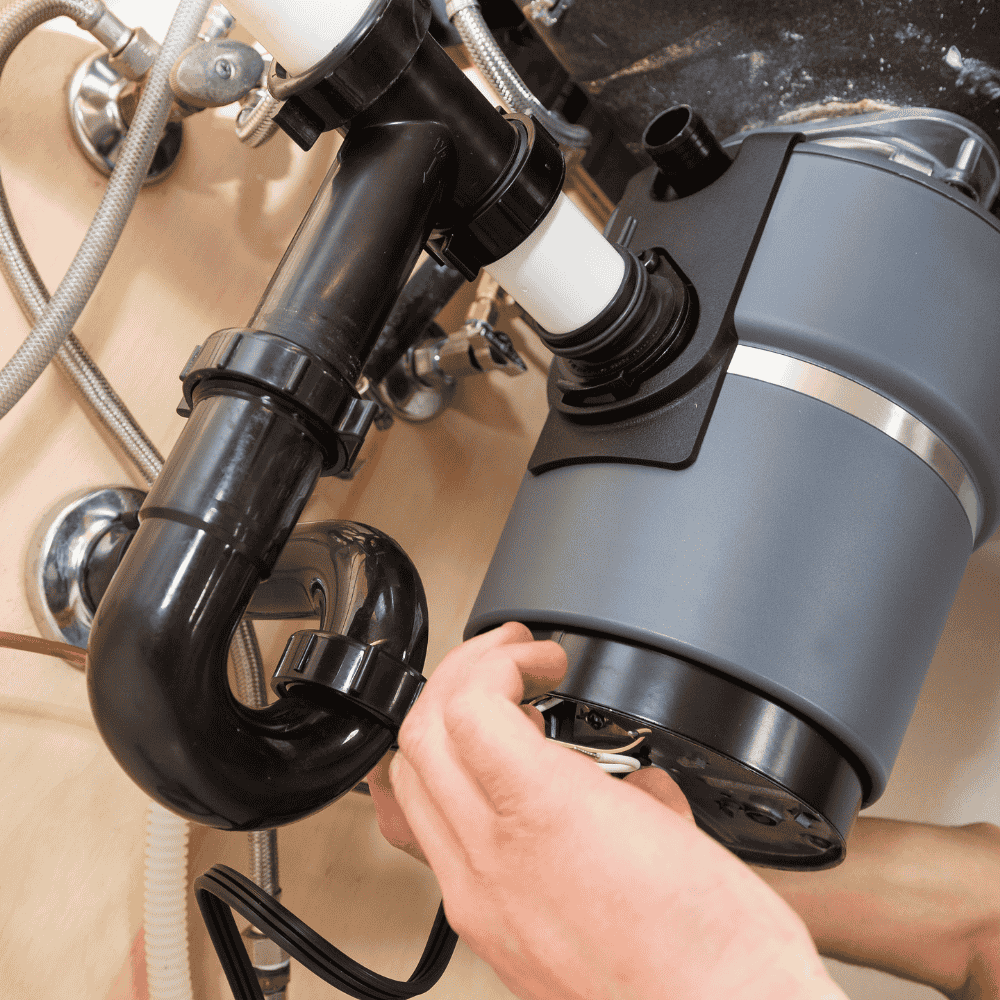
Technician installing a garbage disposal unit under a kitchen sink, connecting plumbing pipes and electrical wiring to ensure proper operation.
Garbage disposals tend to earn attention only when they stop working, yet the habits that determine their lifespan develop quietly during everyday kitchen routines. Many homeowners assume that basic cleaning and occasional deodorizing represent the full scope of disposal care, but longevity depends far more on installation integrity, usage patterns, and system awareness than on surface cleanliness. A garbage disposal functions as a mechanical system under repeated stress, exposed to moisture, temperature changes, and inconsistent loads that compound over time. Extending its service life requires understanding how those forces interact during normal use rather than reacting after failure occurs.
Daily operation introduces wear long before obvious symptoms appear. Internal components rely on balanced rotation, stable mounting, and controlled waste input to operate efficiently. Small missteps, such as habitual overloading or inconsistent water flow, slowly strain the motor and seals. Homeowners who treat the disposal as part of a larger plumbing system rather than a standalone appliance gain a clearer path to extending its life without relying on constant repairs or premature replacement.
Respecting Load Limits And Grinding Dynamics
Garbage disposals handle food waste most effectively when loads remain moderate and consistent. Overloading the chamber with large quantities of scraps forces the motor to work harder, increasing heat buildup and internal stress. Even disposals marketed as heavy-duty experience accelerated wear when routinely pushed beyond their intended capacity. Feeding waste gradually allows grinding components to process material evenly rather than struggling against sudden resistance.
Grinding dynamics also depend on the type of waste introduced. Dense or fibrous materials demand more torque and longer run times, which compounds strain on internal bearings. Repeated exposure to challenging waste increases vibration and heat, subtly degrading seals and electrical components. Understanding how load management influences internal mechanics helps homeowners adjust habits that quietly shorten disposal lifespan without triggering immediate failure.
Maintaining Consistent Water Flow During Operation
Water flow plays a central role in protecting garbage disposal components during use. Adequate water cushions the grinding action, flushes particles through the drain lines, and regulates the temperature inside the unit. Running a disposal without sufficient water increases friction, allowing heat to build rapidly within the motor housing. Over time, heat exposure weakens insulation and accelerates component fatigue.
Inconsistent water flow also contributes to waste accumulation inside the chamber and downstream plumbing. Residual food particles cling to internal surfaces when water volume remains insufficient, increasing odor and corrosion risk. Establishing the habit of running water before, during, and briefly after operation supports smoother grinding cycles and reduces internal stress that accumulates gradually with improper use.
Managing Startup And Shutdown Practices
Startup and shutdown habits influence garbage disposal longevity more than many homeowners realize. Starting the disposal before introducing waste allows the motor to reach a stable speed, reducing initial resistance and vibration. Introducing food waste into a stationary disposal forces the motor to overcome immediate load, increasing electrical strain during startup.
Shutdown practices matter as well. Allowing the disposal to run briefly after grinding clears remaining particles and reduces moisture retention. Abrupt shutdowns leave debris behind, which hardens over time and disrupts balance during subsequent use. These seemingly minor habits shape internal conditions that either preserve or degrade performance across years of operation.
Protecting The Mounting Assembly And Structural Support
The mounting assembly supports the entire weight of the garbage disposal and absorbs vibration generated during operation. Over time, vibration loosens mounting components if support remains uneven or compromised. Regularly checking mounting stability helps prevent gradual misalignment that increases internal stress and noise levels.
Structural support extends beyond the mounting ring to include cabinet framing and sink rigidity. A disposal that shifts or contacts surrounding surfaces experiences amplified vibration, which accelerates wear on seals and bearings. Addressing support issues early helps preserve alignment and reduces mechanical fatigue that shortens lifespan without obvious warning signs.
Monitoring Electrical Health And Power Stability
Electrical stability plays a quiet but critical role in extending garbage disposal life. Motors rely on consistent voltage to operate smoothly and efficiently. Fluctuations in power supply cause uneven motor engagement, increasing heat and internal wear. Loose wiring connections or overloaded circuits introduce intermittent strain that compounds over time.
Homeowners often overlook electrical health because symptoms develop gradually. A disposal that hesitates during startup or produces inconsistent sound patterns may experience electrical stress rather than mechanical failure. Maintaining proper wiring and circuit capacity protects the motor from cumulative damage that shortens operational lifespan.
Preventing Internal Corrosion And Material Degradation
Moisture exposure remains constant inside a garbage disposal, making corrosion prevention essential for longevity. While disposals use corrosion-resistant materials, standing moisture combined with food residue accelerates material breakdown. Allowing water and debris to linger inside the chamber increases the risk of pitting and surface degradation.
Usage habits that promote thorough flushing reduce corrosion risk by minimizing residue buildup. Avoiding prolonged exposure to acidic or salty waste further protects internal surfaces. Over time, corrosion weakens grinding components and housing integrity, contributing to leaks and mechanical imbalance that lead to premature failure.
Avoiding Repetitive Stress From Improper Waste Types
Certain waste types introduce repetitive stress that degrades garbage disposal components gradually. Fibrous foods wrap around grinding elements, increasing resistance and heat during operation. Starchy materials expand when wet, placing additional load on internal mechanisms and downstream plumbing.
Repeated exposure to problematic waste compounds wears off even when individual incidents seem harmless. Educating household members about appropriate disposal reduces cumulative stress that shortens lifespan. Long-term performance depends on consistent avoidance rather than occasional correction after problems arise.
Maintaining Drain Line Health To Reduce Backpressure
Downstream plumbing conditions influence garbage disposal longevity by affecting backpressure during operation. Partial clogs or improper drain slope increase resistance, forcing the disposal to work harder to expel waste. This additional effort increases vibration and heat, accelerating internal wear.
Regular drain maintenance supports smoother disposal operations by reducing resistance. Healthy drain lines allow waste to exit efficiently, protecting internal components from unnecessary strain. Monitoring drainage speed and addressing slow flow early helps preserve disposal performance across extended use.
Recognizing Early Warning Signs Before Failure
Early warning signs provide opportunities to extend garbage disposal life through timely intervention. Changes in sound, vibration, or performance often signal developing issues related to mounting stability, electrical supply, or internal wear. Ignoring subtle symptoms allows small problems to escalate into irreversible damage.
Responding promptly to warning signs preserves components that remain functional. Adjustments to usage habits, support, or maintenance routines often restore stability before permanent damage occurs. Awareness and responsiveness serve as critical tools for maximizing lifespan beyond routine cleaning practices.
FAQs
With proper installation, responsible usage, and consistent maintenance habits, many garbage disposals operate effectively for eight to fifteen years. Lifespan varies based on load frequency, waste types, and plumbing conditions.
Ice can help dislodge residue and improve internal cleanliness, but it does not address mechanical wear or electrical health. Occasional use supports maintenance but should not replace proper usage habits.
Frequent heavy use increases heat, vibration, and wear on internal components. Balancing disposal use with waste reduction practices helps limit cumulative stress.
Periodic inspection of mounting stability, electrical connections, and drainage performance helps identify issues early. Regular attention reduces the risk of sudden failure.
Repair may extend lifespan when issues involve mounting, wiring, or minor components. Extensive corrosion or motor failure often justifies replacement due to long-term reliability concerns.