
How Often Should You Flush A Water Heater In Las Vegas? Hard Water Maintenance Guide
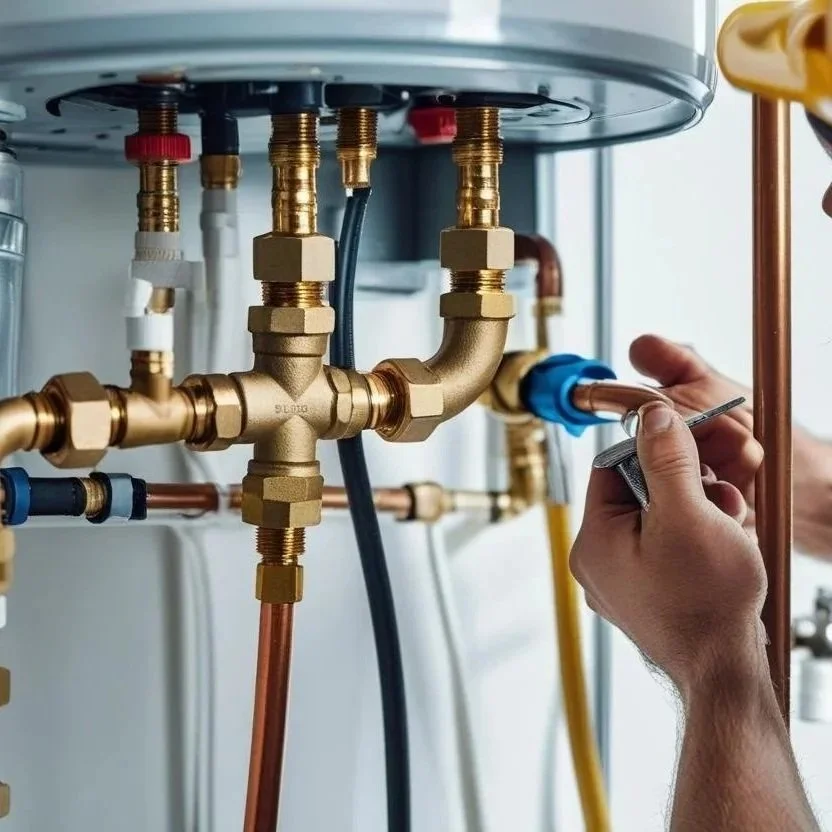
Modern tankless water heater installed on wall, with plumbing and electrical connections, providing on-demand hot water efficiently for household use.
Water heater flushing feels optional until performance starts slipping, strange noises develop, or hot water runs out faster than expected. In Las Vegas, hard water conditions accelerate those problems far sooner than many homeowners anticipate. Minerals naturally present in the local water supply separate out during heating and settle at the bottom of the tank, creating sediment that interferes with efficiency and long-term reliability. Flushing interrupts that buildup, but frequency matters because desert water chemistry behaves differently than in softer water regions.
Las Vegas homes experience a unique combination of high mineral content, warm ambient temperatures, and year-round water heater demand. These factors allow sediment to accumulate steadily rather than seasonally, which means waiting too long between flushes allows layers to compact and harden. Understanding how often to flush a water heater in Las Vegas requires looking beyond generic recommendations and focusing on how hard water interacts with tank design, heating elements, and daily usage patterns.
Why Hard Water Changes Flushing Frequency In Las Vegas
Hard water has elevated levels of calcium and magnesium that separate out rapidly when heated. Each heating cycle leaves behind trace mineral deposits that sink to the bottom of the tank. Over time, those deposits form a dense sediment layer that insulates the tank floor from heat. In Las Vegas, where water hardness remains consistently high, sediment accumulation occurs faster and more aggressively than in many other regions.
Once sediment compacts, it traps water underneath and disrupts even heat transfer. This condition forces burners or heating elements to operate longer and hotter to achieve the same water temperature. Increased run time raises energy costs and accelerates wear on internal components. Because hard water buildup progresses continuously rather than gradually tapering off, flushing frequency must be higher to interrupt the cycle before efficiency and lifespan suffer.
Recommended Flushing Frequency For Las Vegas Homes
Most water heater manufacturers suggest annual flushing under average water conditions. In Las Vegas, that baseline often falls short. Homes with standard tank water heaters typically benefit from flushing every six to nine months to keep sediment from compacting. This interval helps remove loose minerals before they harden into thick layers that resist removal.
Households with high hot water usage or older tanks may require even more frequent flushing. Systems that already exhibit popping or rumbling noises indicate sediment presence that flushing may only partially remove. Maintaining a shorter interval prevents small deposits from becoming entrenched, preserving heat transfer efficiency and reducing mechanical stress over time.
Signs Your Water Heater Needs Flushing Sooner
Noise remains one of the earliest indicators that flushing is overdue. Popping, crackling, or rumbling sounds during heating cycles suggest steam bubbles escaping through sediment layers. These sounds signal trapped heat and inefficiency rather than normal operation.
Other signs include reduced hot water capacity, longer recovery times, and fluctuating water temperatures. Rising energy bills without changes in usage often trace back to sediment, forcing the system to work harder. Discolored water or debris visible at faucets may also indicate internal buildup. When these symptoms appear, delaying flushing allows sediment to harden further, making removal more difficult and less effective.
How Sediment Affects Different Water Heater Types
Traditional tank water heaters experience sediment buildup at the bottom of the tank where heating occurs. Gas models suffer from blocked heat transfer at the burner surface, while electric models experience overheating at the lower element. Both scenarios reduce efficiency and increase wear.
Hybrid water heaters combine tank storage with heat pump technology, making sediment management equally important. While heat pumps operate efficiently in warm Las Vegas air, stored water still accumulates minerals that affect recovery and backup heating modes. Regular flushing helps hybrids maintain efficiency without overreliance on electric resistance heating.
Tankless systems do not store water, but they still face mineral scaling inside heat exchangers. While flushing tanks focus on removing settled sediment, tankless maintenance involves descaling internal pathways. Hard water maintenance remains essential across all system types, even though procedures differ.
What Happens When Flushing Gets Skipped Too Long
Skipping flushes allows sediment layers to thicken and compact, reducing the effectiveness of later maintenance. Hardened deposits resist flushing and often require professional intervention or component replacement. Over time, sediment accelerates corrosion by damaging protective linings and exposing metal surfaces to repeated thermal stress.
Long-term neglect often results in shortened system lifespan. Heating elements burn out faster, gas burners run excessively, and tanks experience uneven expansion that weakens seams. Eventually, leaks or complete failure occur earlier than expected. Flushing represents preventive maintenance that protects against these downstream consequences rather than a cosmetic task.
How Water Softeners And Filtration Affect Flushing Needs
Homes equipped with water softeners experience slower sediment accumulation because calcium and magnesium levels decrease before water enters the heater. While softeners reduce buildup, they do not eliminate the need for flushing entirely. Trace minerals and debris still settle over time, though at a reduced rate.
With a softener, flushing frequency may extend closer to annual intervals. Without one, shorter cycles remain advisable. Filtration systems that remove particulates help protect plumbing, but do not address dissolved minerals responsible for sediment. Understanding what your system removes helps set realistic expectations for maintenance intervals.
Balancing Maintenance With System Age And Condition
Newer water heaters benefit most from early flushing habits because sediment remains loose and removable. Older tanks with years of buildup may release debris unevenly during flushing, which sometimes reveals underlying wear. Even so, controlled maintenance remains preferable to continued neglect.
As systems age, monitoring performance indicators becomes more important than adhering rigidly to schedules. Adjusting flush frequency based on noise, recovery time, and energy usage helps extend usable life while avoiding unnecessary strain. Maintenance plans should evolve with system condition rather than remain static.
FAQs
Most Las Vegas homes benefit from flushing every six to nine months due to hard water conditions. Homes with water softeners may extend closer to annual intervals.
Flushing does not damage healthy tanks, but older systems with severe sediment buildup may reveal existing weaknesses. Professional evaluation helps manage risk in aging units.
Yes. Removing sediment restores direct heat transfer, reducing run time and lowering energy consumption.
Silence does not guarantee the absence of sediment. Efficiency loss often occurs before noise develops, making proactive flushing valuable.
Some homeowners perform basic flushing successfully, but professional service helps address stubborn buildup and confirms safe operation.