
Hard Water And Faucets: How Mineral Buildup Causes Drips, Leaks, and Low Flow
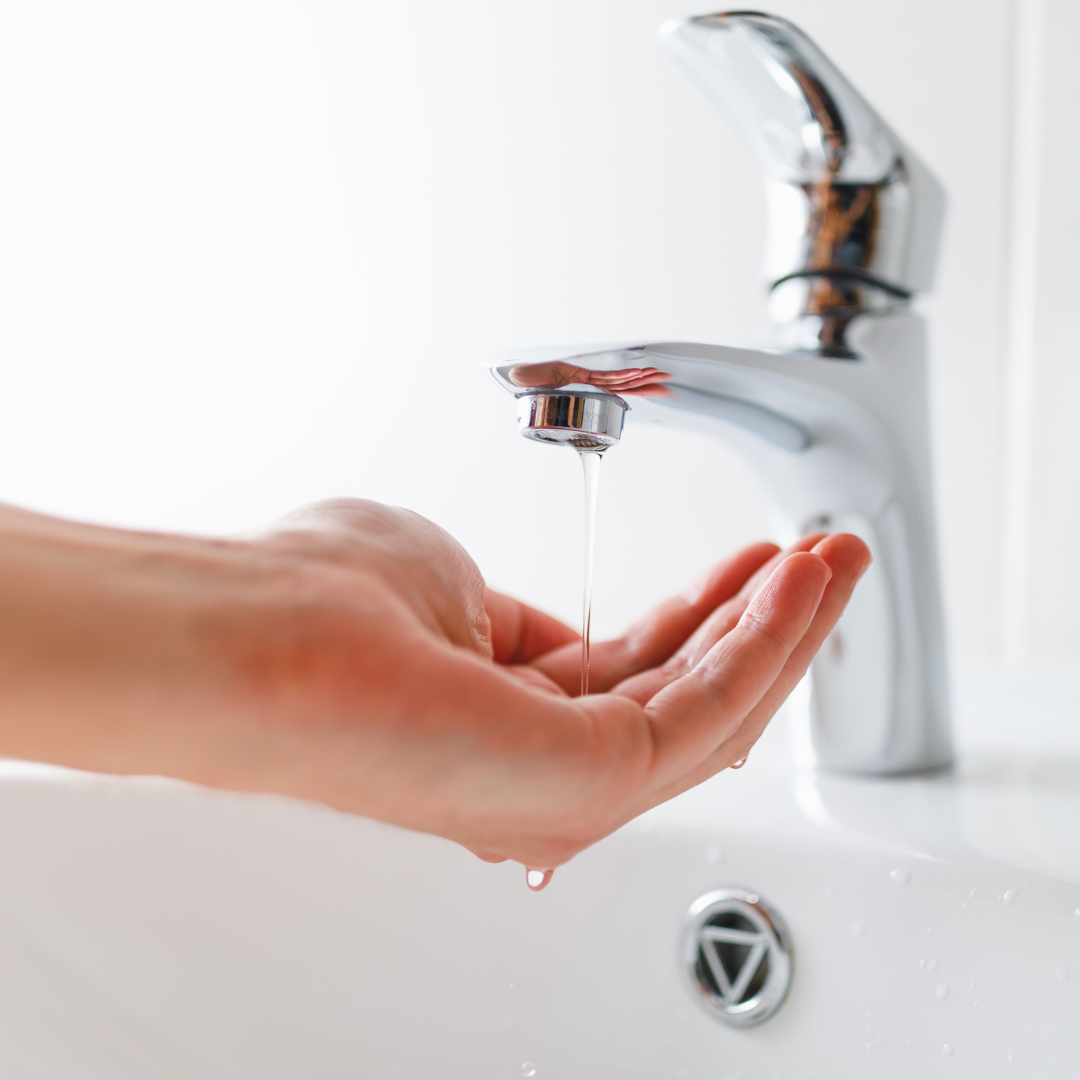
Hard water creates faucet problems that feel mysterious at first because the damage happens slowly and mostly out of sight.
Hard water creates faucet problems that feel mysterious at first because the damage happens slowly and mostly out of sight. Faucets may begin dripping despite new parts, handles may feel stiff, or water flow may weaken without any obvious blockage. These issues rarely come from defective fixtures. In most cases, mineral buildup gradually interferes with how faucet components seal, move, and direct water. By the time symptoms become obvious, minerals have already altered internal surfaces in ways that simple tightening or part swapping cannot fix.
Faucets rely on precise tolerances. Seals must sit flush, cartridges must move smoothly, and internal passages must remain open to regulate flow correctly. Hard water disrupts each of those functions over time. Calcium and magnesium deposits accumulate wherever water slows, heats, or changes direction. Understanding how mineral buildup affects faucets explains why problems keep returning unless the underlying cause gets addressed.
How Mineral Deposits Form Inside Faucets
Hard water carries dissolved minerals that remain invisible while the water flows. Once water sits, evaporates, or heats inside a faucet, those minerals solidify and cling to internal surfaces. Faucets provide ideal conditions for buildup because water pressure drops inside valve bodies and aerators, allowing minerals to settle.
Deposits begin as thin films that roughen smooth surfaces. Over time, layers thicken and harden into scales that resist normal water flow. Internal channels narrow gradually, seals lose flexibility, and moving parts experience increased friction. Because this process develops slowly, homeowners often attribute the first symptoms to aging parts rather than mineral accumulation already altering the faucet’s internal geometry.
Why Hard Water Causes Persistent Faucet Drips
Dripping faucets in hard water environments often result from mineral damage rather than worn parts alone. Rubber seals and O-rings rely on smooth mating surfaces to stop water completely. Mineral deposits create uneven contact points that allow pressurized water to slip past even new seals.
Cartridges and ceramic discs suffer similar issues. Scale buildup prevents full closure by holding components slightly apart. Even microscopic gaps allow dripping that worsens under pressure. Replacing seals without removing mineral deposits treats symptoms but not the cause. Drips return quickly because deposits remain embedded on sealing surfaces.
How Mineral Buildup Leads To Faucet Leaks At The Base Or Handle
Base and handle leaks often trace back to mineral interference inside the valve body. Hard water deposits restrict movement and wear down internal seals unevenly. As cartridges struggle to move smoothly, pressure redirects upward or outward through weakened sealing points.
Leaks at the handle usually appear during operation because pressure increases as the faucet opens. Mineral buildup accelerates seal wear by creating abrasive surfaces that grind against rubber and plastic components. Over time, internal leakage escapes the valve body and appears externally at the handle or base. These leaks persist despite tightening because the failure occurs inside the faucet, where minerals have compromised sealing surfaces.
Why Hard Water Reduces Faucet Flow Gradually
Low flow develops gradually in hard water areas because mineral deposits narrow internal passages over time. Aerators trap minerals especially quickly because they slow water intentionally to regulate flow. As screens clog, water exits unevenly or sputters.
Internal faucet channels also suffer restriction. Mineral scale reduces the effective pipe diameter inside the faucet body, lowering pressure at the spout. Homeowners may clean the aerator repeatedly without improvement because restrictions exist deeper in the fixture. Reduced flow reflects cumulative mineral accumulation rather than a single blockage.
How Hard Water Affects Cartridge And Ceramic Disc Faucets Differently
Cartridge faucets suffer when mineral buildup restricts internal ports and damages O-rings. Movement becomes stiff, temperature control loses precision, and leaks develop around the handle. Cartridges may fail prematurely because deposits prevent smooth alignment.
Ceramic disc faucets resist wear better, but they are not immune. Debris or scale caught between discs prevents full closure, causing sudden drips. Because ceramic discs rely on perfectly flat surfaces, even minor mineral intrusion disrupts sealing. While ceramic designs last longer overall, hard water still shortens service life without maintenance.
Why Repeated Repairs Fail In Hard Water Homes
Repeated faucet repairs often fail in hard water environments because mineral buildup remains untreated. Replacing cartridges or seals without addressing deposits results in short-lived success. New parts encounter the same abrasive surfaces and restricted passages, leading to rapid recurrence.
Hard water also affects new fixtures quickly. Installing a new faucet without addressing mineral issues simply resets the clock. Symptoms return once deposits accumulate again. Long-term reliability requires addressing water quality rather than relying solely on part replacement.
Hidden Damage Caused By Mineral Buildup
Mineral buildup causes damage beyond visible leaks and flow issues. Increased friction inside the faucet stresses handles, stems, and valve bodies. Components crack or warp under strain that they were not designed to handle.
Pressure imbalance created by restricted flow also affects supply lines and shut-off valves. Faucets may whistle, vibrate, or spray unpredictably as water seeks alternative paths. These secondary effects often get misdiagnosed as pressure problems when mineral accumulation remains the true cause.
Cleaning Versus Replacing Mineral-Damaged Faucets
Cleaning mineral buildup helps in the early stages. Soaking aerators and removable parts in appropriate descaling solutions restores flow temporarily. Internal cleaning becomes more challenging once deposits harden inside valve bodies.
At advanced stages, replacement offers better value than repeated cleaning and repair. Faucets with extensive scale damage rarely return to smooth operation. Replacement paired with water quality management delivers longer-lasting results than continued maintenance on compromised fixtures.
How Water Softening Changes Faucet Performance
Water softening reduces mineral content before water reaches fixtures. Softened water prevents new scale from forming and slows wear on internal components. Faucets operate more smoothly, seals last longer, and flow remains consistent.
While softening does not remove existing buildup instantly, it prevents further accumulation and improves longevity after cleaning or replacement. Many recurring faucet problems disappear once mineral input is controlled at the source.
Preventing Hard Water Faucet Problems Over Time
Prevention focuses on managing mineral exposure. Regular aerator cleaning, periodic inspection, and prompt response to stiffness or flow changes help limit damage. Avoiding aggressive tightening prevents forcing mineral-damaged parts into failure.
Addressing water quality protects not just faucets but all plumbing components. Understanding how minerals interact with fixtures helps homeowners choose solutions that reduce maintenance cycles and unexpected failures.
When Faucet Replacement Becomes The Practical Option
Replacement becomes practical when mineral buildup has altered internal surfaces beyond restoration. Faucets that leak repeatedly, bind during operation, or lose flow despite cleaning usually indicate advanced scale damage.
Choosing replacement alongside water treatment prevents recurrence and delivers predictable performance. Modern faucet designs paired with softened water offer significantly longer service life and fewer repair interruptions.
FAQs
Mineral buildup on internal sealing surfaces often prevents full closure even with new parts.
Yes. Mineral deposits damage internal seals and redirect pressure upward, leading to handle leaks.
Scale buildup inside the faucet body restricts flow beyond the aerator.
They resist wear longer, but mineral buildup can still cause leaks and sudden failure.
Yes. Softened water reduces mineral buildup, extending faucet life and preventing recurring issues.
Trust Adaven Plumbing for an effectively and efficiently functioning residential plumbing system. We offer drain cleaning, water leak detection and repair, toilet repairs, home repiping, faucet repair and replacement, and plumbing maintenance solutions in Las Vegas. We have a team of licensed technicians who deliver quality work and 24-hour emergency assistance. Call today to schedule a free onsite estimate.