
Gas Vs Electric Water Heaters: Cost, Safety, Efficiency, and What A Pro Checks During Installation
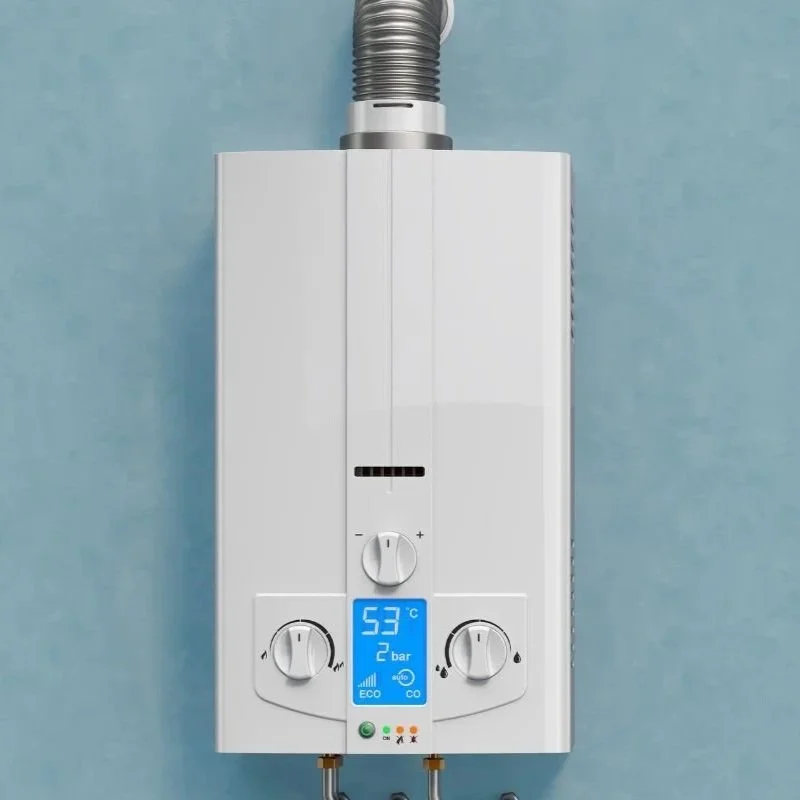
Choosing between a gas and an electric water heater affects more than monthly utility bills.
Choosing between a gas and an electric water heater affects more than monthly utility bills. The decision shapes how reliably hot water reaches fixtures, how safely the system operates inside the home, and how long the equipment performs before replacement becomes unavoidable. Many homeowners compare sticker prices or energy rates without fully considering how each system behaves under real household conditions. Performance differences become most noticeable during peak usage, equipment aging, and unexpected service issues rather than during normal day-to-day operation.
Gas and electric water heaters rely on different energy delivery methods, which influence installation requirements, safety considerations, and maintenance expectations. Professional installers evaluate far more than tank size during setup because each system interacts differently with plumbing, electrical, and ventilation infrastructure. Understanding how cost, safety, efficiency, and installation checks differ between gas and electric systems helps homeowners choose equipment that aligns with their home design and long-term priorities.
Upfront Cost Differences And Installation Complexity
Initial purchase price often favors electric water heaters. Electric units typically cost less to buy and require fewer components during installation. Most homes already have electrical service available near the water heater location, which simplifies setup and reduces labor time. Installation generally involves connecting power, water lines, and safety controls without additional venting or combustion considerations.
Gas water heaters carry higher upfront costs due to burner assemblies, gas supply connections, and venting systems. Installation becomes more complex when venting upgrades, gas line sizing, or combustion air requirements need modification. Older homes sometimes require infrastructure updates to support modern gas units safely. While gas systems cost more to install, many homeowners accept the initial investment based on long-term operating considerations rather than upfront expense alone.
Operating Cost And Utility Rate Considerations
Operating cost comparisons between gas and electric water heaters depend heavily on local utility pricing and household usage patterns. Gas water heaters often deliver lower operating costs in regions where natural gas rates remain favorable. Heating water with gas typically costs less per unit of energy than electricity, especially for households with high daily hot water demand.
Electric water heaters convert nearly all consumed electricity into heat, making them highly efficient at the point of use. Despite that efficiency, electricity rates often exceed gas prices, which raises monthly operating costs over time. Homes with moderate or low hot water usage may see smaller cost differences, while high-demand households notice more pronounced gaps. Evaluating utility rate structures and expected usage provides a clearer picture than relying on efficiency ratings alone.
Heating Speed And Hot Water Recovery Performance
The recovery rate describes how quickly a water heater restores hot water after use. Gas water heaters generally recover faster than electric models because burners deliver higher heat output. Faster recovery benefits homes with back-to-back showers, laundry cycles, or frequent appliance use during peak hours.
Electric water heaters rely on heating elements that produce lower heat intensity compared to gas burners. Recovery time increases after heavy usage, which can affect comfort in larger households. Larger electric tanks compensate partially for slower recovery, but storage capacity alone does not fully offset heating speed differences. Recovery performance becomes more noticeable during periods of concentrated demand rather than steady, spaced usage.
Safety Factors And Risk Profiles
Safety considerations differ significantly between gas and electric water heaters due to combustion. Gas systems involve flame ignition, exhaust gases, and fuel delivery, which introduce risks related to ventilation, carbon monoxide, and gas leaks. Proper installation and regular inspection reduce these risks, but they remain inherent to gas operation.
Electric water heaters eliminate combustion risks entirely. No flame, exhaust, or fuel lines exist, which simplifies safety management. Electrical safety remains important, especially regarding wiring integrity and grounding, but overall risk profiles differ. Many homeowners prioritize electric systems for indoor installations where ventilation options remain limited. Safety preferences often influence selection as much as cost or efficiency.
Energy Efficiency Beyond Ratings
Efficiency ratings tell only part of the story when comparing gas vs electric water heaters. Electric models achieve high efficiency numbers because nearly all input energy converts to heat. Gas units lose some energy through exhaust, lowering rated efficiency despite faster heating capability.
Real-world efficiency depends on usage patterns, standby losses, and system age. Gas heaters may consume less energy overall for heavy-use households due to faster recovery and lower fuel cost. Electric units perform efficiently in low-demand scenarios where recovery speed matters less. Evaluating efficiency requires considering how the system operates across daily routines rather than relying solely on published ratings.
Longevity And Maintenance Expectations
Service life varies between gas and electric water heaters based on component wear and water quality. Gas systems experience wear on burners, venting components, and gas valves in addition to tank corrosion. Electric units rely on heating elements and thermostats that may require replacement over time but lack combustion-related wear.
Maintenance tasks differ accordingly. Gas systems require vent inspection, burner cleaning, and combustion air evaluation. Electric systems focus more on element condition and electrical connections. Both types benefit from sediment management and pressure monitoring. Longevity depends as much on maintenance practices as on fuel type selection.
What A Professional Checks During Gas Water Heater Installation
Professional installation of a gas water heater involves extensive safety verification. Gas line sizing receives close attention to support burner demand without pressure drop. Venting design must allow proper exhaust flow, prevent backdrafting, and comply with clearance requirements. Combustion air availability gets evaluated to avoid oxygen depletion in enclosed spaces.
Pressure regulation, temperature settings, and leak testing follow before operation begins. Installers confirm flame stability, draft performance, and safe ignition behavior. These checks protect occupants and help the system operate efficiently. Skipping or rushing any step introduces long-term safety and performance risks.
What A Professional Checks During Electric Water Heater Installation
Electric water heater installation focuses on electrical capacity and grounding. Circuit amperage must match heater requirements, and wiring integrity receives careful inspection. Grounding protects against electrical faults and helps stabilize system operation.
Plumbing connections and pressure controls also receive attention. Expansion management prevents stress on the tank and connected piping. Installers verify thermostat calibration and heating element function before placing the unit into service. While electric installations appear simpler, proper setup still requires careful evaluation to avoid performance issues.
Choosing Based On Home Infrastructure And Lifestyle
Home infrastructure often determines which system fits best. Homes without gas service face higher costs to add fuel supply, making electric systems more practical. Homes with existing gas infrastructure may find that gas heaters integrate more smoothly.
Lifestyle factors also matter. Large households with heavy hot water use often favor gas recovery speed. Smaller households or those prioritizing simplicity may prefer electric operation. Matching system behavior to daily routines produces better long-term satisfaction than choosing based on cost alone.
FAQs
Gas water heaters often cost less to operate when gas prices remain lower than electricity prices. Actual savings depend on usage patterns and local utility rates.
Electric water heaters eliminate combustion-related risks, making them simpler from a safety perspective. Proper electrical installation remains essential.
Yes. Gas burners deliver higher heat output, allowing faster recovery after heavy hot water use.
Both types offer similar lifespan ranges when maintained properly. Longevity depends on water quality, maintenance, and usage rather than fuel type alone.
Gas installation typically costs more due to venting and gas supply requirements. Electric installation usually involves lower labor and material costs.