
Garbage Disposal Smells Bad Even After Cleaning: Why It Happens
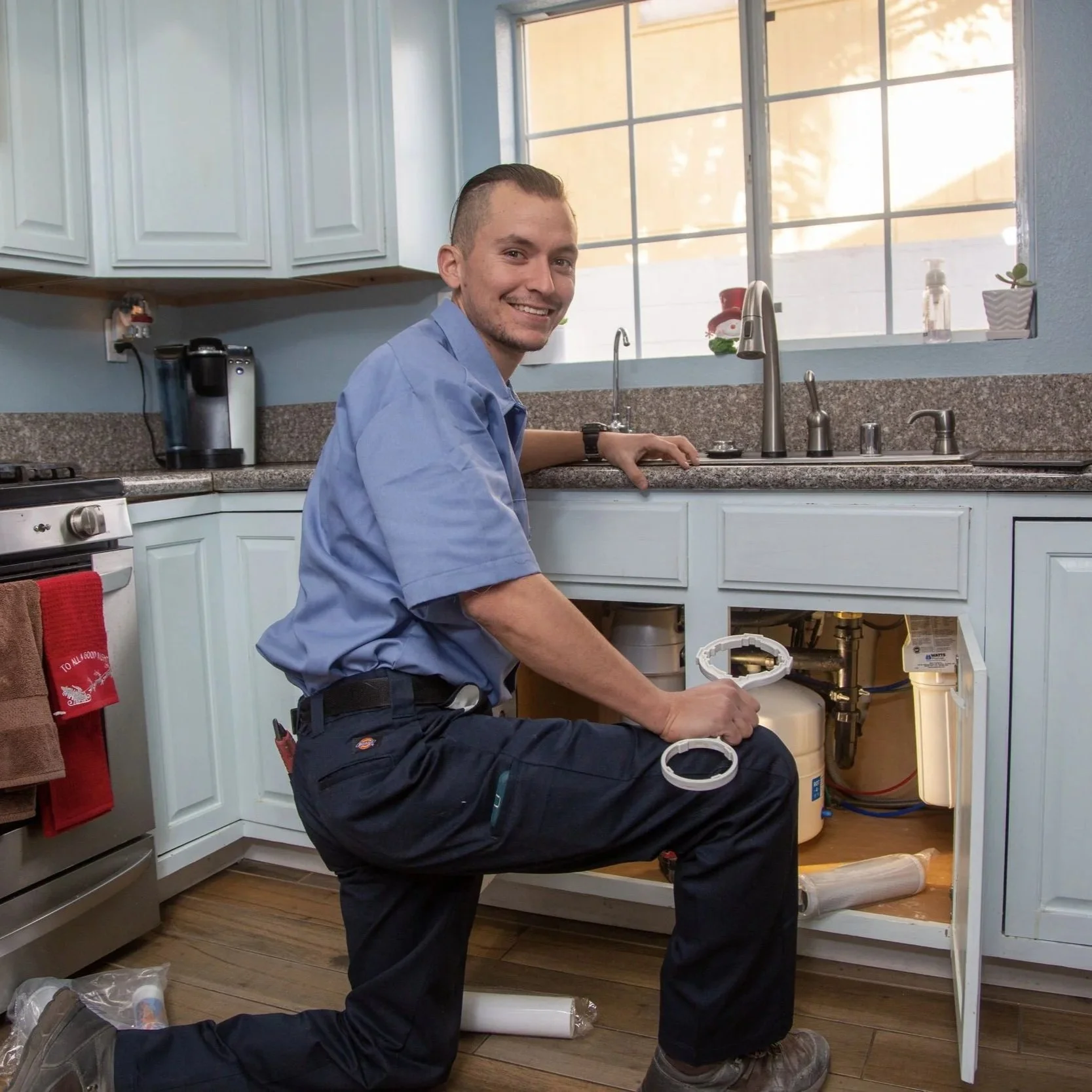
A garbage disposal that still smells bad after cleaning feels frustrating because effort has already been made, and results never seem to last.
A garbage disposal that still smells bad after cleaning feels frustrating because effort has already been made, and results never seem to last. Citrus peels, ice, baking soda, and vinegar may improve the odor briefly, yet the smell returns within days or even hours. This situation usually means the problem does not sit on the visible grinding surfaces alone. Odors persist because organic material continues breaking down in places that routine cleaning methods never reach. Understanding where those smells originate explains why surface-level cleaning fails and why the odor keeps coming back.
Garbage disposals create a warm, moist environment where food residue breaks down continuously. When residue gets trapped beyond the grinding chamber, bacteria thrive and produce sulfur-like or rotten odors. These smells do not indicate poor hygiene. They reflect how disposals interact with drain lines, splash guards, internal crevices, and airflow. Treating the smell effectively requires identifying which part of the system continues feeding odor-causing bacteria.
Why Food Residue Stays Trapped Inside The Disposal
Even a well-functioning disposal does not grind food into liquid. Small particles remain behind after each use. These particles lodge in grooves on the grinding ring, behind impellers, and along the inner walls of the chamber. Over time, layers of residue build up and begin to decompose.
Cleaning methods that rely on grinding ice or citrus primarily contact the lower portion of the chamber. They do little to remove material stuck higher up or behind moving parts. As residue breaks down anaerobically, it produces strong odors that linger even when the visible chamber looks clean. The smell returns because the source never left.
How The Splash Guard Becomes A Major Odor Source
The rubber splash guard at the top of the disposal traps more food residue than almost any other component. Each time food enters the disposal, particles splash upward and cling to the underside of the guard. This area rarely gets flushed thoroughly by water flow.
Over time, grease coats the rubber flaps and holds food debris in place. Bacteria grow rapidly on this material, producing strong odors that rise directly out of the sink opening. Many cleaning routines overlook the splash guard entirely, allowing smells to persist even when the disposal chamber itself receives attention.
Why The Drain Line Holds Odor-Causing Sludge
Odors often originate beyond the disposal itself, inside the drain piping. Ground food and grease travel past the disposal and settle in the horizontal sections of pipe, especially the P-trap. There, waste accumulates and decomposes slowly.
Because the disposal still drains, homeowners assume the pipes remain clear. In reality, sludge coats the pipe walls and continuously emits odor that travels back up through the disposal. Cleaning the disposal alone does nothing to remove this buildup, which explains why smells persist even after repeated attempts.
How Grease Makes Disposal Odors Worse
Grease plays a central role in long-lasting disposal smells. Liquid grease enters easily, then cools and solidifies inside the disposal and drain line. Food particles stick to the grease layer and decompose slowly over time.
Grease also blocks water from fully flushing residue away. Instead of washing material out, water glides over greasy surfaces, leaving odor-producing debris behind. Even small amounts of grease repeated over time create thick, foul-smelling buildup that resists simple cleaning methods.
Why Hot Water Can Make Odors Seem Worse
Many people run hot water to clean a smelly disposal, assuming heat helps. Hot water melts grease temporarily and allows it to move deeper into the system. Once the water cools, the grease solidifies again, further down the line, spreading the odor source.
This process makes the disposal smell better briefly, then worse later. The odor source has not been removed. It has only migrated. Cold water during normal use actually helps carry particles out rather than smearing grease along pipe walls.
How Bacteria Growth Creates Sulfur-Like Smells
The rotten egg or sulfur smell commonly associated with disposals comes from anaerobic bacteria breaking down organic matter without oxygen. These bacteria thrive in stagnant, coated areas where water flow remains minimal.
Once established, bacterial colonies regenerate quickly even after surface cleaning. Killing surface bacteria does not address colonies deeper in the system. As long as food residue remains, odor returns. This explains why disposals smell bad again shortly after cleaning.
Why Infrequent Use Makes Smells Stronger
Disposals that sit unused for days develop stronger odors because water flow stops flushing residue away. Moisture remains, but fresh water does not move through the system to dilute or remove buildup. Bacteria continue breaking down trapped food.
Vacation homes, guest bathrooms, or secondary sinks often develop persistent smells for this reason. The disposal works fine mechanically, but the lack of regular flushing allows odor sources to intensify.
How Improper Cleaning Methods Backfire
Some cleaning methods make odor problems worse. Grinding fibrous foods like potato peels during cleaning adds more residue. Using harsh chemicals damages internal surfaces and roughens metal, giving bacteria more places to cling.
Bleach and chemical cleaners may kill surface bacteria temporarily, but they do not remove grease or organic sludge. Once the chemical dissipates, bacteria return quickly. Mechanical removal and flushing remain far more effective than chemical approaches alone.
When The Disposal Itself Becomes The Odor Source
Older disposals with corrosion or worn surfaces trap residue more easily. Pitted metal and rough internal components increase the surface area where food sticks and decomposes. Even with good habits, these disposals develop persistent odors over time.
At this stage, cleaning produces diminishing returns. The structure of the disposal itself promotes odor retention. Replacement becomes the only reliable solution when internal surfaces can no longer stay clean.
Why Odors Sometimes Come From Venting Issues
In some cases, disposal odors originate from venting problems rather than residue alone. Poor venting allows sewer gases to linger in the drain line instead of escaping properly. These gases rise through the disposal and sink.
When venting issues exist, cleaning the disposal never resolves the smell. The odor resembles sewage rather than rotting food. This distinction matters because the fix involves plumbing airflow rather than disposal maintenance.
What Actually Stops Disposal Odors Long Term
Long-term odor control requires removing the material that feeds bacteria. This involves cleaning the splash guard thoroughly, flushing the drain line, and removing grease and sludge buildup. Consistent cold water flushing during use helps carry waste away.
Regular use prevents stagnation. Avoiding grease and minimizing fibrous waste reduces buildup. When internal wear prevents cleanliness, replacement restores smooth surfaces that resist residue accumulation.
When Replacement Is The Only Practical Fix
Replacement makes sense when odors persist despite proper cleaning of the disposal, splash guard, and drain line. Units with internal corrosion or repeated odor recurrence often cannot stay clean long enough to justify continued effort.
Modern disposals offer smoother interiors and improved waste handling that reduces odor retention. Replacement eliminates the internal environment that allows smells to regenerate continuously.
Preventing Odors From Returning
Prevention focuses on habits rather than occasional cleaning. Running cold water generously during and after use flushes particles. Cleaning the splash guard regularly prevents buildup at the source. Avoiding grease keeps the system cleaner longer.
Using the disposal frequently with water flow discourages bacterial growth. Addressing early odor changes prevents severe buildup that becomes harder to remove later.
FAQs
Odors often come from residue trapped under the splash guard or in the drain line, where routine cleaning does not reach.
Yes. Grease traps food particles and creates long-lasting odor sources that simple cleaning cannot remove.
Bacteria continue feeding on trapped organic material that was never fully removed during cleaning.
Cold water helps flush debris away, while hot water can spread grease and worsen odors later.
Replacement makes sense when internal corrosion or repeated buildup causes smells that return despite thorough cleaning.
Call Adaven Plumbing for affordable and lasting tankless water heater installations, water filtration, water softeners, garbage disposal installation, garbage disposal repair, and garbage disposal replacement. Our team stays up-to-date on the current plumbing techniques and technology. Enjoy affordable pricing and same day service. We offer on-time and reliable services. Call today to book an appointment.