
Garbage Disposal Reset Button Keeps Tripping: What It Means
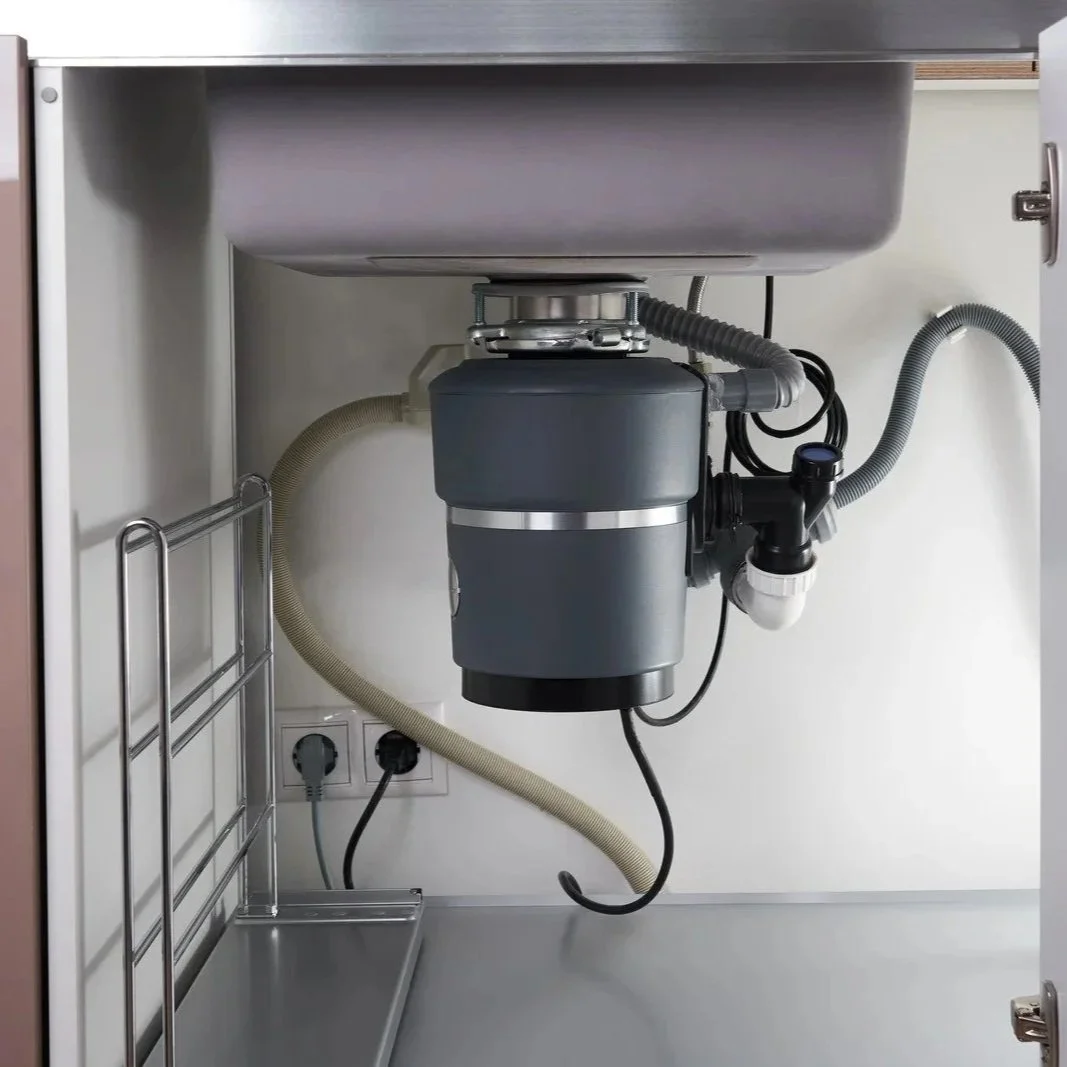
When a garbage disposal reset button keeps tripping, the unit is telling you something important about how it is operating under load.
When a garbage disposal reset button keeps tripping, the unit is telling you something important about how it is operating under load. That red or black button exists as a thermal safety device designed to shut the motor down before permanent damage occurs. If it trips once after an obvious jam, that can be normal. When it trips repeatedly or without a clear reason, the disposal is experiencing conditions that exceed what the motor can safely handle. Ignoring that signal or repeatedly pressing reset without addressing the cause shortens the life of the unit dramatically.
A disposal reset button trips when the motor overheats or draws excessive current. Both conditions usually stem from mechanical resistance rather than an electrical problem in the home. The motor is trying to spin, encountering resistance, generating heat, and protecting itself by shutting down. Understanding why that resistance keeps happening helps determine whether the issue can be corrected or whether the disposal has reached the point where replacement makes more sense.
Why Repeated Jams Trigger The Reset Button
The most common reason a reset button keeps tripping involves repeated or partial jams inside the grinding chamber. Hard food waste, fibrous material, or foreign objects may not fully lock the impeller, but they create enough resistance to overload the motor. The disposal may run briefly, slow down, hum, then shut off as heat builds.
These partial obstructions often get overlooked because the disposal appears to grind for a moment before stopping. Each restart adds more heat to the motor windings. Over time, even small bits of trapped debris cause frequent overloads. Clearing visible obstructions and manually rotating the impeller restores free movement and reduces load, but recurring jams often point to deeper wear or usage issues.
How Overloading Causes Thermal Shutdown
Overloading the disposal with too much waste at once forces the motor to work harder than designed during startup. Garbage disposals rely on momentum once spinning. When the chamber is packed, the motor struggles to get moving and draws excessive current. That excess current produces heat quickly.
The reset button trips to prevent the motor from burning out. This scenario commonly happens after large cleanups, when starchy foods swell, or when grease binds waste together. Even without a hard jam, the motor cannot overcome the resistance safely. Reducing load size and feeding waste gradually prevents this type of repeated shutdown.
Why Dull Or Corroded Grinding Components Matter
As disposals age, internal grinding components wear and corrode. Rust buildup increases friction inside the unit and reduces clearance between moving parts. Even normal food waste becomes harder for the motor to process. The disposal works harder, heats faster, and trips the reset more often.
This condition creates a cycle where the disposal seems to function inconsistently. It may run fine one day and trip repeatedly the next. Corrosion and wear reduce efficiency gradually until the motor can no longer handle routine loads without overheating. At this stage, resets become frequent regardless of usage habits.
How Electrical Issues Inside The Disposal Contribute
While household wiring problems rarely cause repeated reset tripping, internal electrical components can. A failing motor winding or internal capacitor reduces starting torque. The motor energizes but cannot spin efficiently, causing rapid heat buildup even with no obstruction present.
In these cases, the disposal may trip the reset with an empty chamber. The unit hums briefly or runs weakly before shutting down. This behavior signals internal motor failure rather than a correctable blockage. Continued resetting accelerates damage and usually leads to complete failure.
Why Low Voltage And Shared Circuits Make Things Worse
Low voltage conditions reduce motor performance and increase current draw. Disposals installed on overloaded or shared circuits may not receive consistent voltage during operation. When the voltage drops, the motor struggles to start and maintain speed, generating excess heat.
This situation often coincides with other appliances running simultaneously. The disposal trips the reset during peak usage rather than every time. While not the most common cause, electrical supply issues can amplify mechanical problems and push an already stressed motor into repeated shutdown.
What Happens When The Reset Button Trips Too Often
Every time the reset button trips, the motor experiences thermal stress. The insulation on motor windings degrades slightly with each overheating event. Over time, this damage accumulates even if the disposal continues working intermittently.
Eventually, the motor loses efficiency permanently. The disposal trips more easily, runs louder, and jams more frequently. At that point, the reset button no longer represents a temporary safeguard but a sign that the motor is nearing the end of its usable life.
Why Pressing Reset Without Fixing The Cause Is Risky
The reset button does not fix anything on its own. It simply restores power after a shutdown. Pressing it repeatedly without clearing obstructions or reducing load forces the motor to overheat again and again.
This habit turns minor issues into major failures. Motors designed for intermittent use cannot tolerate repeated stall conditions. What might have been resolved by clearing a jam becomes a replacement scenario when the motor windings fail.
How To Tell If The Problem Is Mechanical Or Electrical
A simple test helps narrow the cause. With the power off, manually rotate the impeller using the wrench or hex key at the bottom of the disposal. If resistance exists or movement feels rough, mechanical issues are present. Clearing obstructions and restoring smooth rotation often reduces reset trips.
If the impeller spins freely and the disposal still trips the reset when powered, internal electrical failure becomes more likely. Disposals that overheat with no load usually require replacement rather than repair.
When Replacement Becomes The Smarter Option
Replacement makes sense when the reset button trips repeatedly despite clearing jams, reducing load, and confirming free rotation. Older disposals with corrosion, weak motors, or frequent thermal shutdowns rarely regain reliable performance. Continued use risks sudden failure and inconvenience.
Modern disposals offer stronger motors, improved corrosion resistance, and better overload protection. Replacing a failing unit often costs less in the long run than dealing with repeated resets, jams, and eventual emergency replacement.
Preventing Reset Button Issues Going Forward
Preventive habits reduce the likelihood of reset problems. Running cold water before, during, and after use flushes debris and prevents grease buildup. Feeding waste gradually allows the motor to maintain momentum. Avoiding hard, fibrous, or non-food items protects internal components.
Regular use with proper water flow keeps parts moving freely and reduces corrosion. Addressing early signs of humming or sluggish operation prevents progression to repeated thermal shutdown.
FAQs
The reset button trips when the motor overheats or draws too much current, usually due to jams, overload, or internal wear.
No. Repeated resetting without fixing the cause overheats the motor and can cause permanent damage.
Yes. Internal motor failure, corrosion, or low voltage conditions can cause overheating even with an empty chamber.
Allow the disposal to cool for at least ten to fifteen minutes before resetting, and clear any obstructions first.
Replacement is recommended when the reset trips frequently despite clearing jams and confirming free rotation.
Call Adaven Plumbing for affordable and lasting tankless water heater installations, water filtration, water softeners, garbage disposal installation, garbage disposal repair, and garbage disposal replacement. Our team stays up-to-date on the current plumbing techniques and technology. Enjoy affordable pricing and same day service. We offer on-time and reliable services. Call today to book an appointment.