
Garbage Disposal Makes A Loud Grinding Noise: Is It A Jam Or A Broken Part
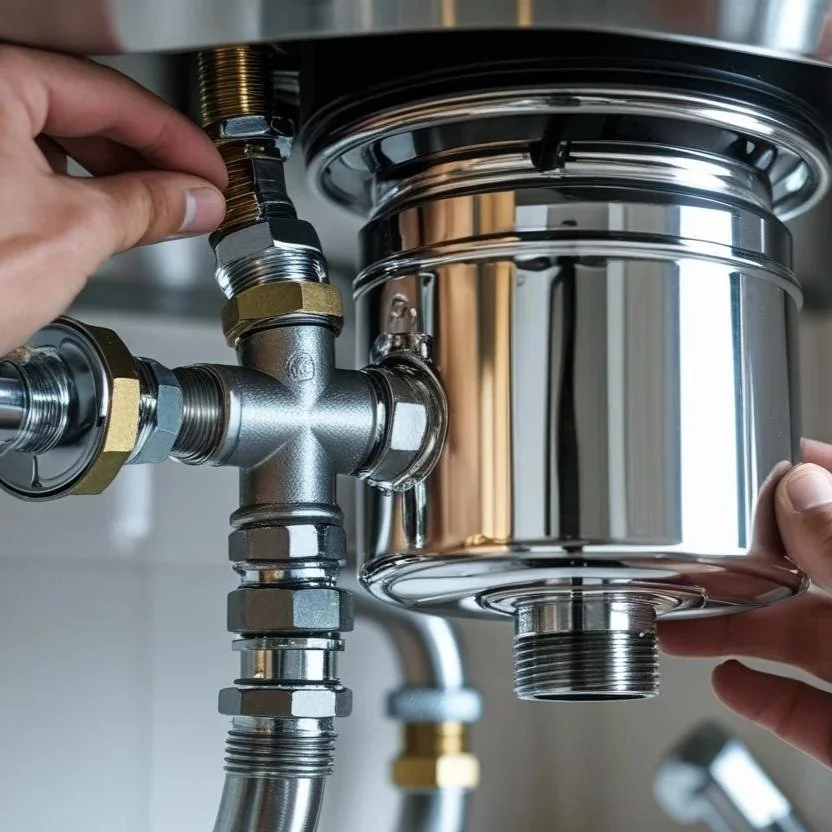
A garbage disposal that suddenly makes a loud grinding noise can be alarming, especially when the sound is harsher or more metallic than normal operation.
A garbage disposal that suddenly makes a loud grinding noise can be alarming, especially when the sound is harsher or more metallic than normal operation. Many homeowners immediately assume the unit is broken beyond repair, while others keep running it, hoping the noise will clear on its own. Neither reaction helps. A loud grinding noise usually means something inside the disposal has changed mechanically, and the cause falls into two main categories. Either the unit is grinding against something it should not, or an internal component has failed and is no longer moving correctly.
Understanding the difference between a simple jam and a broken internal part matters because the correct response is very different. Some grinding noises resolve quickly once the obstruction is removed. Others indicate damage that worsens every time the disposal runs. Knowing what the sound means and how it behaves helps prevent unnecessary replacement or, just as important, prevents running a damaged unit until it fails completely.
How Normal Grinding Sounds Differ From Problem Grinding
Garbage disposals are designed to make noise, but normal operation produces a steady, rhythmic grinding sound that changes as food breaks down. The noise should smooth out quickly as waste clears and water flushes debris through the system. When a problem develops, the sound becomes sharper, louder, or irregular, often accompanied by vibration or rattling.
Problem grinding usually sounds metallic, clanking, or uneven. The noise may pulse rather than remain consistent. In many cases, the disposal struggles to spin smoothly and may slow down or hum briefly between bursts of grinding. These changes indicate resistance or misalignment rather than normal food processing.
Why Foreign Objects Cause Loud Grinding
The most common cause of sudden loud grinding is a foreign object trapped inside the disposal. Items like silverware, bottle caps, glass fragments, or small bones can fall into the chamber unnoticed. When the disposal runs, the impeller slings the object against the grinding ring repeatedly, creating a sharp, violent noise.
This type of grinding often starts abruptly and remains loud until the object is removed. The sound does not smooth out because the item does not break down like food waste. Continued operation risks damaging the grinding ring or impeller plate. Removing the object promptly usually restores normal operation without lasting harm, provided the unit was not run excessively while jammed.
How Food-Related Jams Create Grinding And Stalling
Not all jams involve hard foreign objects. Dense or fibrous food waste can pack tightly inside the chamber and interfere with smooth rotation. Potato peels, corn husks, celery fibers, and large amounts of starchy waste create resistance that forces the impeller to scrape rather than spin freely.
In these cases, the disposal may grind loudly, slow down, then surge again as pieces shift. The sound may alternate between grinding and humming. Clearing the chamber and manually rotating the impeller usually resolves the issue. Repeated food-related jams often point to overloading habits rather than mechanical failure.
What Broken Impellers Sound Like
Broken or damaged impellers create a different grinding pattern. Impellers are the swinging metal arms attached to the rotating plate. When one breaks loose, bends, or fractures, it no longer strikes evenly. The disposal may grind loudly with a rhythmic clank or wobble as the damaged piece contacts the grinding ring inconsistently.
This noise persists even when the chamber is empty. Running water alone does not smooth it out. Over time, the imbalance worsens and can damage bearings or the motor shaft. Broken impellers cannot be repaired safely. Continued operation risks catastrophic failure inside the unit.
How A Cracked Grinding Ring Changes The Sound
The grinding ring lines the inside of the disposal chamber and provides the surface against which waste breaks down. If the ring cracks, chips, or separates, the impeller strikes uneven edges instead of a smooth surface. The result is a loud, harsh grinding that often sounds more aggressive than a normal jam.
This condition may develop gradually, especially in older disposals with corrosion. The noise often grows louder over time rather than appearing suddenly. Clearing debris does not resolve the sound. A damaged grinding ring compromises the unit’s integrity and usually requires replacement.
Why Loose Internal Components Create Rattling Grinding Noises
Some loud grinding noises come from internal components that have loosened rather than broken completely. Mounting hardware, internal fasteners, or motor bearings may wear and allow movement where none should exist. When the disposal runs, parts vibrate and strike each other under load.
This type of noise may appear intermittently and worsen under heavy use. The disposal might still grind food, but sound rough or unstable. Ignoring this condition allows wear to accelerate and often leads to impeller or motor failure. Internal looseness is rarely correctable without replacing the unit.
How To Tell If It Is A Jam Or A Broken Part
Several observations help distinguish between a jam and internal damage. A jam usually produces noise only when the disposal contains debris. Once the chamber is cleared and the impeller spins freely by hand, the noise disappears. The unit returns to smooth operation.
A broken part produces noise even when the disposal is empty. Manual rotation may feel rough, uneven, or loose. The sound often persists regardless of load and may worsen with time. If the disposal grinds loudly with nothing inside, internal damage is likely.
Why Continuing To Run A Loud Disposal Is Risky
Running a disposal that makes loud grinding noises places extreme stress on the motor and internal components. Resistance increases heat buildup and accelerates wear on bearings and windings. Even if the unit still works, each cycle reduces remaining lifespan.
A disposal designed to handle brief resistance cannot tolerate an ongoing mechanical imbalance. What starts as a manageable issue often becomes a full failure when ignored. Stopping use until the cause is identified prevents unnecessary damage and avoids sudden loss of service.
When A Jam Can Be Fixed Safely
Jams caused by foreign objects or packed food waste are often fixable if addressed quickly. Power should be turned off, and objects removed using tongs or pliers rather than hands. Manual rotation with the bottom hex key helps restore free movement.
Once the obstruction clears and the impeller spins smoothly, testing under light load confirms resolution. Proper flushing and improved usage habits reduce recurrence. These fixes work only when internal components remain intact.
When Replacement Is The Better Choice
Replacement becomes the smart option when loud grinding persists after clearing the chamber and confirming free rotation. Disposals with broken impellers, cracked grinding rings, internal looseness, or motor bearing noise rarely regain reliable operation.
Older units with corrosion or repeated grinding issues often cost more in time and frustration than replacement. Modern disposals offer better corrosion resistance and smoother operation. Replacing a failing unit prevents sudden breakdowns and restores dependable performance.
Preventing Future Grinding Problems
Prevention focuses on proper use. Avoid placing non-food items into the disposal. Feed waste gradually with cold water running to flush debris. Limit fibrous and starchy foods that pack tightly.
Periodic inspection and listening for early changes in sound help catch problems before damage occurs. Using the disposal regularly with adequate water flow keeps components moving freely and reduces corrosion buildup.
FAQs
The reset button trips when the motor overheats or draws too much current, usually due to jams, overload, or internal wear.
No. Repeated resetting without fixing the cause overheats the motor and can cause permanent damage.
Yes. Internal motor failure, corrosion, or low voltage conditions can cause overheating even with an empty chamber.
Allow the disposal to cool for at least ten to fifteen minutes before resetting, and clear any obstructions first.
Replacement is recommended when the reset trips frequently despite clearing jams and confirming free rotation.
Call Adaven Plumbing for affordable and lasting tankless water heater installations, water filtration, water softeners, garbage disposal installation, garbage disposal repair, and garbage disposal replacement. Our team stays up-to-date on the current plumbing techniques and technology. Enjoy affordable pricing and same day service. We offer on-time and reliable services. Call today to book an appointment.