
Garbage Disposal Leaking From The Side Or Dishwasher Connection
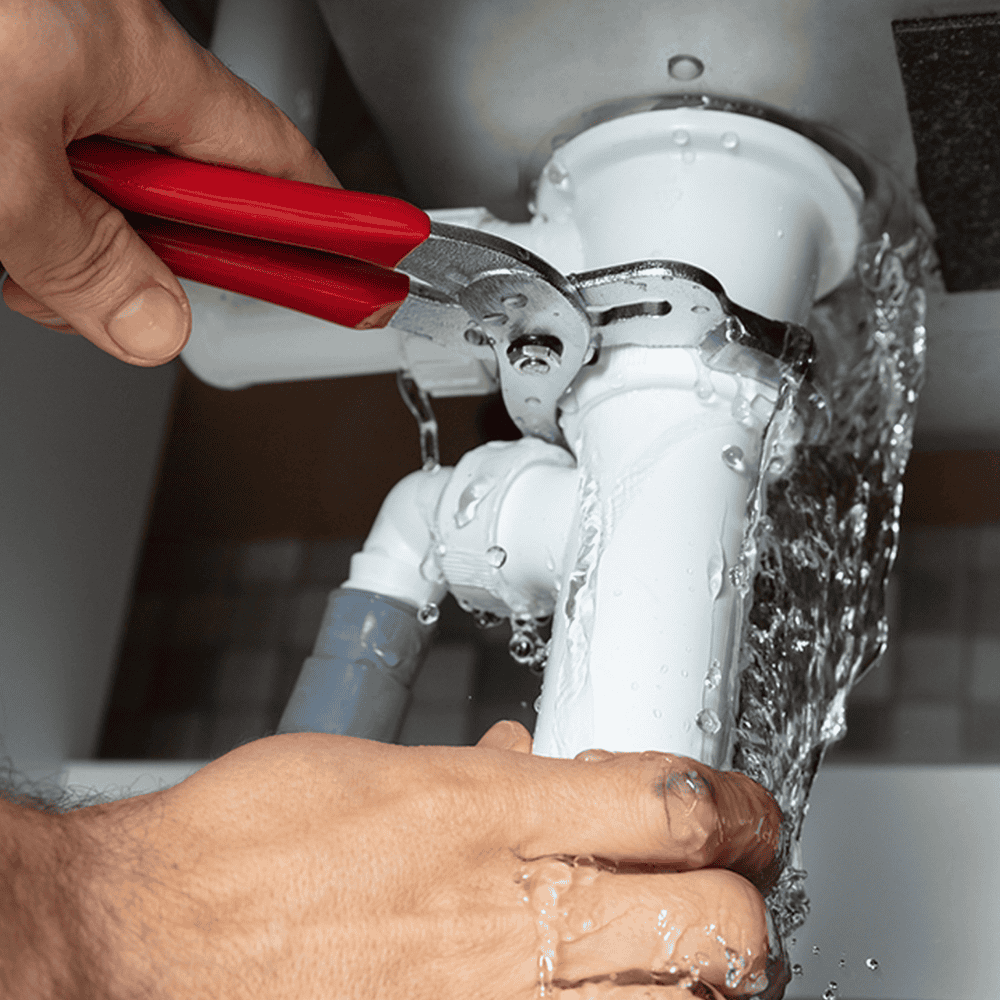
A garbage disposal leaking from the side or the dishwasher connection often creates confusion because the leak does not appear at the sink or drain opening.
A garbage disposal leaking from the side or the dishwasher connection often creates confusion because the leak does not appear at the sink or drain opening. Water shows up under the cabinet, sometimes only during certain cycles, and the disposal itself still runs normally. These leaks feel sneaky because they come from auxiliary connections rather than the main discharge. Understanding why water escapes from the side of the disposal or the dishwasher inlet helps homeowners avoid chasing the wrong fix and prevents cabinet damage that quietly worsens over time.
Side and dishwasher connection leaks usually point to sealing, installation, or structural problems rather than normal wear inside the grinding chamber. These areas experience pressure only under specific conditions, which explains why the leak may appear intermittently. Identifying the exact source matters because tightening random fittings or resealing unrelated parts rarely stops water that escapes from these connection points.
How The Dishwasher Connection Works On A Disposal
Many disposals include a dishwasher inlet port on the side of the unit. A hose from the dishwasher connects to this port and allows wastewater to drain through the disposal into the sink drain. During a dishwasher cycle, water pumps forcefully through this hose, creating pressure that does not exist during normal sink use.
Because the dishwasher pump pushes water rather than relying on gravity, any weakness at the connection becomes obvious quickly. A loose clamp, cracked inlet, or improper knockout removal allows water to escape under pressure. Leaks from this area often appear only when the dishwasher runs, which leads homeowners to suspect the dishwasher rather than the disposal connection itself.
Why Missing Or Improperly Removed Knockout Plugs Cause Leaks
New disposals ship with a solid plastic knockout plug blocking the dishwasher inlet. This plug must be removed before connecting the dishwasher hose. If the plug remains partially intact, water flow becomes restricted, and pressure builds at the connection.
In some cases, the plug gets knocked inward but is not fully removed. It may lodge inside the disposal or restrict the inlet opening. This condition causes back pressure that forces water out around the hose connection or through small cracks. Proper plug removal involves fully extracting the plug from inside the disposal, not just punching it inward.
How Loose Or Incorrect Hose Clamps Lead To Side Leaks
Hose clamps secure the dishwasher drain hose to the disposal inlet. If the clamp is loose, improperly sized, or installed unevenly, water escapes when the dishwasher pumps out. These leaks often spray or drip along the side of the disposal and collect on the cabinet floor.
Overtightening clamps creates a different problem. Excess force can crack the plastic inlet or distort the hose, creating a leak path that tightening cannot fix. Correct clamp placement and tension matter more than brute force. A secure but evenly seated connection prevents leaks without stressing the inlet.
Why Cracked Dishwasher Inlets Are More Common Than Expected
The dishwasher inlet on many disposals is made of plastic rather than metal. Over time, heat, vibration, and chemical exposure weaken this plastic. Stress from overtightened clamps or rigid hoses accelerates cracking.
Once the inlet cracks, leaks worsen quickly. Water escapes under pressure every time the dishwasher drains. Sealants and tape rarely provide lasting repair because the crack expands and contracts with temperature and pressure changes. A cracked inlet usually means the disposal housing has failed at that point.
Side Leaks Caused By Disposal Housing Damage
Not all side leaks involve the dishwasher connection. Some originate from hairline cracks or seam failures in the disposal housing itself. Corrosion, impact damage, or manufacturing defects create weak points where water escapes under load.
These leaks often appear when the disposal runs with water flowing, not just during dishwasher cycles. Water trails along the side of the unit and drips from unexpected locations. Housing leaks signal structural failure rather than a serviceable connection issue. Continued use risks sudden worsening and cabinet saturation.
Why Improper Dishwasher Hose Routing Makes Leaks Worse
Dishwasher hoses that pull downward or kink near the disposal create constant stress on the inlet. Gravity and vibration tug at the connection during each cycle. Over time, this stress loosens clamps or cracks the inlet.
Proper routing allows the hose to approach the inlet without tension and includes a high loop or air gap to prevent backflow. Poor routing contributes to recurring leaks even after clamps get tightened or hoses are replaced.
How Side Leaks Can Mimic Sink Or Drain Problems
Water leaking from the side of the disposal often runs along cabinet walls or supply lines before pooling. This movement makes the leak appear to come from the sink drain or faucet. Homeowners may reseal drains or replace faucet parts without stopping the moisture.
Because these leaks occur only during specific conditions, they remain difficult to trace without observation during operation. Running the dishwasher while watching the disposal connection often reveals the true source quickly.
Why Temporary Fixes Rarely Hold
Sealants, tape, and patch kits rarely stop side or inlet leaks for long. Pressurized water finds weak points quickly, especially when plastic has cracked or warped. Temporary fixes may slow the leak briefly but fail under repeated cycles.
Effective repair requires restoring proper structural integrity or replacing the failed component. Masking the symptom does not address the pressure and stress that caused the leak initially.
When Replacing The Hose Or Clamp Is Enough
Replacing the dishwasher hose or clamp resolves leaks when the inlet itself remains intact. Cracked or brittle hoses leak at the connection and spray water sideways. New hoses paired with proper clamps and routing restore reliable drainage.
Inspection should confirm that the inlet surface remains smooth and uncracked. If the plastic shows stress marks or hairline cracks, hose replacement alone will not last.
When Disposal Replacement Becomes Necessary
Disposal replacement becomes necessary when the housing or dishwasher inlet has cracked. These parts are integral to the unit and cannot be repaired safely. Continued use risks cabinet damage and mold growth.
Older disposals with corrosion or repeated side leaks often reach a point where replacement costs less than repeated troubleshooting. New units offer stronger inlets and improved sealing designs that reduce recurrence.
Preventing Future Side And Dishwasher Connection Leaks
Prevention focuses on correct installation and stress reduction. Removing the knockout plug fully, using the correct clamp size, and routing the hose without tension protects the inlet. Avoiding overtightening preserves plastic integrity.
Periodic inspection during dishwasher operation catches early leaks before damage spreads. Addressing small drips immediately prevents escalation into housing failure.
Why Acting Quickly Matters
Side and dishwasher connection leaks release water directly into cabinets, where damage remains hidden. Wood absorbs moisture quietly, leading to swelling, rot, and odor. The longer the leak persists, the larger the repair scope becomes.
Prompt identification and proper repair limit damage to plumbing components rather than surrounding structures. Early action protects both the disposal and the cabinet environment.
FAQs
Dishwasher pumps force water through the side inlet under pressure, revealing leaks at the hose connection or inlet.
No. Cracked inlets usually require disposal replacement because sealants do not hold under pressure.
The knockout plug blocks the dishwasher inlet on new disposals and must be fully removed to allow proper drainage.
Tightening helps only if the clamp is loose. Overtightening can crack the inlet and worsen leaks.
Replacement makes sense when the disposal housing or dishwasher inlet is cracked or leaking from the side.
Call Adaven Plumbing for affordable and lasting tankless water heater installations, water filtration, water softeners, garbage disposal installation, garbage disposal repair, and garbage disposal replacement. Our team stays up-to-date on the current plumbing techniques and technology. Enjoy affordable pricing and same day service. We offer on-time and reliable services. Call today to book an appointment.