
Garbage Disposal Installation Problems That Cause Leaks And Noise
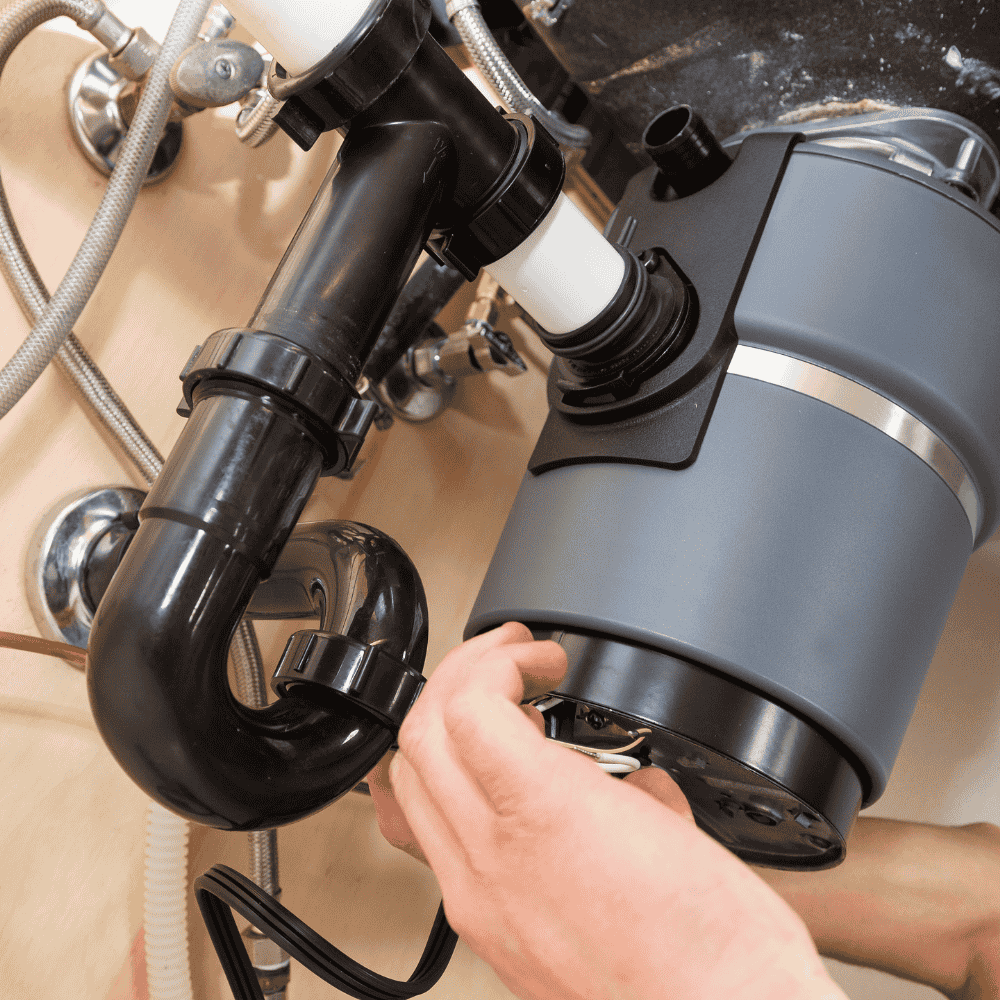
Garbage disposal installation mistakes quietly cause leaks and noise—proper alignment, sealing, and connections from day one save stress, repairs, and money.
Garbage disposal installation problems often stay hidden until water starts dripping under the sink or the kitchen fills with an unpleasant grinding rattle that never sounds quite right. Many homeowners assume a new disposal should run quietly and leak-free right out of the box, but installation mistakes can quietly undermine performance from day one. Leaks and noise usually point to specific issues tied directly to how the unit was installed, connected, or supported, rather than to defects in the disposal itself. Understanding where these problems originate helps homeowners identify risks early and avoid repeated repairs that never fully address the root cause.
Garbage disposals operate at the intersection of plumbing, electrical work, and mechanical alignment, which creates multiple opportunities for small errors to snowball into bigger problems. A slightly misaligned flange, an overtightened mounting ring, or a poorly secured drain connection can create vibration, stress, and water intrusion that worsen with every use. Over time, those stresses can loosen seals, warp fittings, and amplify noise levels well beyond what any kitchen should tolerate. Addressing garbage disposal installation problems starts with understanding how each part of the system interacts under real-world conditions, such as daily use, temperature changes, and water pressure fluctuations.
Improper Sink Flange Installation And Seal Failures
Sink flange installation plays a critical role in preventing leaks, yet it remains one of the most common sources of garbage disposal installation problems. The flange creates the seal between the sink basin and the disposal body, relying on plumber’s putty or a gasket to block water from seeping downward. When installers apply uneven pressure or fail to seat the flange flush against the sink surface, small gaps form that allow water to escape slowly. These leaks often appear intermittently, which makes them difficult to trace, especially when moisture collects along the disposal housing rather than dripping straight down.
Overtightening the mounting assembly can cause just as many issues as leaving it too loose. Excessive force may squeeze out too much putty or distort rubber gaskets, compromising their ability to flex and maintain a watertight seal over time. As sinks expand and contract slightly with temperature changes, a rigid or damaged seal begins to fail, leading to leaks that worsen during heavy use. Homeowners often notice water pooling under the sink after running the disposal for extended periods, particularly when washing dishes or draining hot water from the sink basin.
Misaligned Mounting Rings And Excessive Vibration
Mounting rings support the entire weight of the garbage disposal while keeping it aligned with the sink drain and plumbing connections. Garbage disposal installation problems frequently occur when these rings are not evenly locked into place, causing the unit to hang slightly off-center. Even minor misalignment introduces vibration during operation, which transfers noise through the cabinet walls, countertops, and nearby plumbing. What begins as a low hum can escalate into a loud rattling sound that feels far more aggressive than expected.
Excessive vibration places continuous stress on mounting components and drain connections, gradually loosening fittings that were initially tight. Over time, this movement can cause leaks at the dishwasher inlet, discharge tube, or sink flange, even if those components were properly sealed at installation. Many homeowners mistake the noise for internal motor failure when the real issue stems from improper mounting support. Addressing alignment early prevents long-term wear that shortens the lifespan of the disposal and increases the risk of repeated leaks.
Loose Or Incorrect Drain Connections
Drain connections represent another frequent source of garbage disposal installation problems, particularly when installers reuse old fittings or fail to align pipes properly. The discharge tube must connect securely to the trap and downstream plumbing without forcing components into place. When pipes are misaligned, installers may overtighten slip nuts or use excessive sealant to compensate, which rarely solves the underlying issue. Over time, stressed connections loosen or crack, allowing water to escape during normal operation.
Improper slope in the drain line can also contribute to leaks and noise. Standing water trapped in low points increases pressure inside the disposal housing when the unit runs, forcing water toward weak seals. Gurgling sounds often accompany this condition, signaling airflow issues within the drain system. Homeowners may notice slow drainage or unpleasant odors alongside leaks, all tied back to how the drain was configured during installation rather than to the disposal itself.
Dishwasher Inlet Connection Mistakes
Many garbage disposals serve as the drainage point for dishwashers, making the dishwasher inlet a critical connection that often gets overlooked. Garbage disposal installation problems arise when the knockout plug inside the inlet is not removed, causing water to back up into the dishwasher or leak from hose connections. Homeowners frequently discover this issue after running the dishwasher for the first time, when water suddenly appears under the sink.
Improper hose clamps or poorly secured dishwasher hoses can also cause slow leaks that worsen over time. Vibration from the disposal loosens weak clamps, allowing water to seep out during dishwasher drain cycles. These leaks often go unnoticed until cabinet damage or mold growth becomes visible. Correctly securing the dishwasher connection requires attention to both mechanical stability and proper internal preparation of the disposal inlet.
Electrical Connection And Power Supply Issues
Electrical setup contributes indirectly to garbage disposal installation problems that manifest as noise or intermittent operation. Improper wiring, loose connections, or shared circuits with incompatible loads can cause the disposal to struggle during startup. When the motor fails to receive consistent power, it may produce humming or grinding sounds without fully engaging, which homeowners often mistake for mechanical failure.
Poor electrical grounding can also amplify vibration and noise, transmitting sound through metal plumbing components and electrical conduit. Inconsistent power delivery places additional strain on internal components, increasing heat and wear. Over time, these electrical issues can shorten motor life and exacerbate mechanical noise, even if the disposal itself was manufactured correctly. Addressing the electrical setup during installation helps prevent performance issues that appear unrelated at first glance.
Failure To Account For Cabinet Clearance And Support
Cabinet space limitations contribute to garbage disposal installation problems that rarely surface immediately. When disposals are installed in tight spaces without adequate clearance, contact between the unit and cabinet walls can transmit vibration and noise throughout the kitchen. Even slight contact becomes problematic once the disposal begins operating at full speed, creating rattling sounds that echo through enclosed spaces.
Inadequate support beneath the disposal adds another layer of risk. Heavy units place constant downward pressure on mounting assemblies, especially when filled with water or food waste. Without proper support, mounting components loosen faster, increasing the likelihood of leaks at the sink flange and drain connections. Homeowners often overlook cabinet-related issues because the disposal appears properly installed from above, while hidden stresses accumulate below the sink.
Use Of Incompatible Or Low-Quality Components
Garbage disposal installation problems increase significantly when incompatible or low-quality components enter the system. Using mismatched flanges, off-brand gaskets, or incorrect discharge tubes introduces tolerance issues that prevent proper sealing. These components may fit initially but fail to accommodate vibration and thermal expansion over time, leading to leaks that appear months after installation.
Low-quality mounting hardware can also degrade faster under normal use, allowing movement that increases noise levels. Homeowners attempting DIY installations sometimes rely on universal parts that do not match the specific disposal model, creating subtle alignment issues. Selecting manufacturer-approved components and following model-specific installation guidelines reduces the risk of recurring problems that seem to defy repeated repairs.
Ignoring Manufacturer Installation Specifications
Manufacturer installation specifications exist to address common garbage disposal installation problems, yet they often get ignored in favor of shortcuts. Specifications cover torque limits, alignment requirements, electrical ratings, and plumbing configurations designed to balance performance and longevity. Skipping these details increases the likelihood of leaks, noise, and premature failure.
Each disposal model carries unique requirements based on motor size, weight, and internal design. Applying a one-size-fits-all approach ignores those differences, leading to stress points that worsen with use. Homeowners may notice increasing noise levels or unexplained leaks despite repeated tightening and adjustments. Adhering closely to manufacturer guidance during installation helps prevent these cascading issues from developing in the first place.
FAQs
Leaks that appear only during operation usually point to installation-related issues such as loose drain connections, misaligned mounting rings, or a compromised sink flange seal. Running the disposal introduces vibration and water pressure that expose weak points in the system. Inspecting connections while the unit operates often reveals movement or moisture that stays hidden when the disposal is off.
Excessive noise in a new disposal often results from improper mounting alignment, cabinet contact, or electrical issues affecting motor performance. A disposal that hangs unevenly or touches cabinet walls transmits vibration more aggressively. Electrical supply problems can also cause the motor to strain, producing grinding or humming sounds rather than smooth operation.
Installation mistakes place ongoing stress on internal and external components, which can shorten the lifespan of the disposal. Vibration from misalignment loosens seals and fittings, while electrical issues increase heat and wear inside the motor. Addressing installation problems early helps prevent cumulative damage that leads to premature replacement.
Dishwasher-related leaks often stem from incorrect preparation of the disposal inlet or poorly secured hoses. Failure to remove the internal knockout plug prevents proper drainage, while loose hose clamps allow water to escape during drain cycles. These issues typically trace back to overlooked steps during installation.
Professional installation reduces the risk of leaks and noise by addressing plumbing, electrical, and mechanical factors together. Experienced installers account for alignment, support, and model-specific requirements that homeowners may miss. Investing in proper installation often saves time and expense by preventing repeated repairs and water damage.