
Garbage Disposal Humming But Not Grinding Causes And Fixes
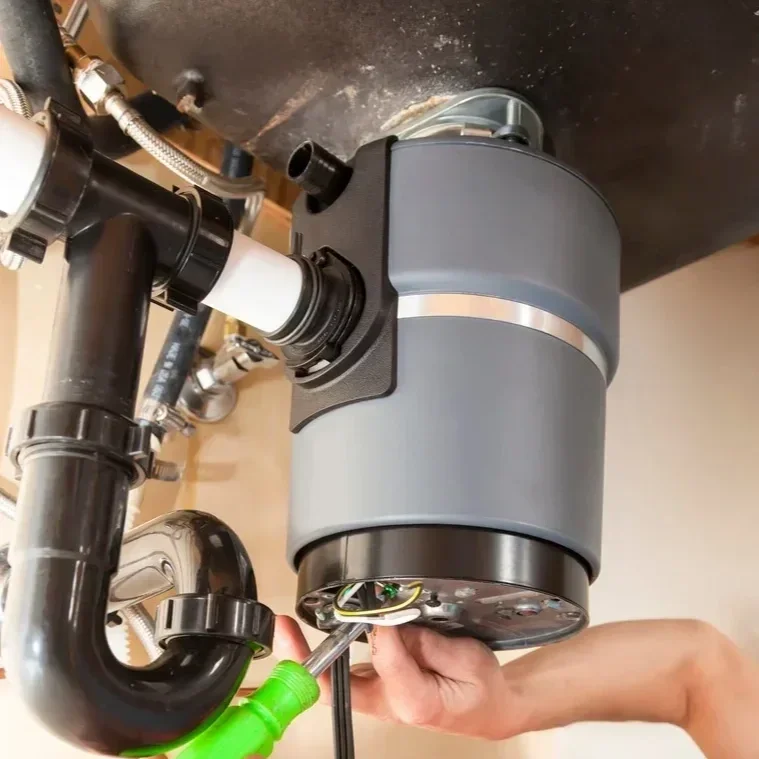
A garbage disposal that hums but does not grind creates immediate concern because the sound confirms power is reaching the unit, yet food waste remains untouched.
A garbage disposal that hums but does not grind creates immediate concern because the sound confirms power is reaching the unit, yet food waste remains untouched. This situation feels confusing since the disposal seems alive but refuses to do its job. The humming noise signals that the motor is energized and attempting to spin, but something is preventing the grinding mechanism from moving. That distinction matters because it narrows the problem to mechanical resistance rather than electrical failure in most cases.
Garbage disposals rely on a free-spinning motor shaft connected to an impeller plate. When rotation stops, but power continues, stress builds inside the motor. Allowing the disposal to hum repeatedly without addressing the cause risks overheating and permanent motor damage. Understanding why humming occurs and what conditions commonly create this failure helps homeowners act quickly and choose the right fix instead of escalating the problem.
Why A Jammed Impeller Causes The Humming Sound
The most common reason a garbage disposal hums without grinding is a jammed impeller. Hard objects such as bones, fruit pits, metal utensils, or thick fibrous food lodge between the impeller and the grinding ring. When the motor tries to spin, the obstruction prevents movement, causing the motor to stall while still drawing power.
This stalled condition produces the humming sound. The motor windings vibrate under electrical load, but rotation cannot begin. Even soft materials can create jams when packed tightly or when grease solidifies around the grinding components. Over time, repeated use without proper flushing allows debris to accumulate and lock the impeller in place.
How Overloading The Disposal Leads To Motor Stalling
Overloading the disposal with too much food at once stresses the motor beyond its startup torque. Garbage disposals require a brief burst of power to overcome initial resistance and begin spinning. When excessive material fills the chamber, the motor cannot generate enough force to start rotation.
In this scenario, the motor hums as it attempts to engage, but the weight of the load keeps the impeller stationary. This condition often occurs after large cleanups or when disposing of starchy or fibrous waste. Gradual feeding prevents this problem by allowing the motor to maintain momentum rather than fighting resistance from a full chamber.
Why A Tripped Reset Button Can Accompany Humming
Some disposals hum briefly before shutting off completely due to the internal overload protector activating. When the motor stalls, heat builds rapidly. The reset button trips to protect the motor from damage. After cooling, power may return, but the underlying obstruction remains.
If the disposal hums again after resetting without grinding, the jam has not been cleared. Repeated resets without addressing the cause place unnecessary stress on the motor and reduce its lifespan. The reset function protects against damage, but it does not solve mechanical blockage.
How Improper Installation Can Cause Humming Issues
Installation errors contribute to humming problems that appear even in newer disposals. Misaligned mounting assemblies, improper drain connections, or excessive downward pressure from plumbing can distort the disposal housing. That distortion interferes with impeller movement and creates resistance inside the unit.
Improper wiring that delivers insufficient voltage also causes humming without rotation. Motors require adequate voltage to overcome startup resistance. Low voltage conditions allow the motor to energize and hum but prevent full engagement. These issues require inspection beyond the grinding chamber to identify the true cause.
Why Electrical Problems Rarely Cause Humming Alone
Pure electrical failures usually result in silence rather than humming. When a disposal hums, power is reaching the motor windings. However, electrical issues such as failing capacitors or internal motor faults can reduce starting torque while still allowing the motor to energize.
In these cases, the disposal hums even when no obstruction exists. The motor cannot generate enough force to start spinning. This condition often worsens gradually and may appear intermittently at first. Electrical-related humming typically indicates internal motor failure rather than a simple jam.
Safe Steps To Take Immediately When A Disposal Hums
When a disposal hums but does not grind, the first step involves turning off the power to prevent overheating. Switching off the wall control and cutting power at the breaker protects the motor while inspection begins. Never continue running a humming disposal, as prolonged stalling causes irreversible damage.
Looking into the disposal chamber with a flashlight helps identify visible obstructions. Removing trapped objects with tongs or pliers, never hands, reduces risk. Once the chamber clears, manually rotating the impeller using the hex key or wrench at the bottom of the disposal often frees the jam and restores operation.
Why Using The Reset Button Alone Does Not Fix The Problem
The reset button addresses thermal overload, not mechanical blockage. Pressing it without clearing the jam simply allows the motor to attempt startup again under the same conditions. This cycle repeats until the motor overheats again.
Effective repair requires restoring free rotation. The reset button plays a role only after the underlying resistance has been removed. Treating the reset as a fix rather than a safeguard often shortens disposal lifespan significantly.
How Jammed Disposals Can Damage Motors Permanently
Repeated humming without grinding creates intense heat in the motor windings. That heat breaks down insulation and weakens internal components. Even if the disposal eventually spins again, prior overheating reduces efficiency and increases failure risk.
Motors designed for intermittent load cannot tolerate sustained stall conditions. Allowing a disposal to hum repeatedly often turns a simple jam into a full replacement scenario. Early intervention prevents this escalation.
When Grinding Plate Corrosion Causes Stalling
Corrosion inside older disposals creates rough surfaces that trap debris more easily. Rust buildup increases friction between moving parts and reduces clearance. Over time, this condition makes jams more frequent and harder to clear.
Corroded grinding plates may stick even without visible obstructions. The motor hums because resistance exceeds startup capability. In these cases, freeing the impeller temporarily may not prevent recurrence. Replacement often becomes the most reliable long-term solution.
Why Some Fixes Work Temporarily But Fail Later
Temporary fixes such as forcing rotation or resetting repeatedly may restore function briefly. However, if the root cause involves worn bearings, internal corrosion, or electrical degradation, the problem returns. Each recurrence increases stress on remaining components.
Identifying whether the issue stems from a simple obstruction or deeper mechanical wear determines whether repair or replacement makes sense. Repeated humming episodes signal declining reliability rather than isolated incidents.
When Replacement Makes More Sense Than Repair
Replacement becomes practical when humming persists despite clearing obstructions, resetting, and manual rotation. Disposals that hum with an empty chamber often suffer from motor failure or internal damage. In these cases, continued troubleshooting wastes time and risks sudden failure.
Older units with frequent jams or corrosion benefit from replacement with modern designs that offer improved torque and corrosion resistance. Replacement restores dependable operation and reduces repeated service interruptions.
Preventing Future Humming Problems
Prevention focuses on proper usage and maintenance. Running cold water before, during, and after the operation flushes debris and prevents grease buildup. Feeding waste gradually avoids overload. Avoiding hard, fibrous, or non-food items reduces jam risk.
Periodic inspection and cleaning prevent corrosion and debris accumulation. Using the disposal regularly with water flow keeps components moving freely. These habits reduce the likelihood of humming failures and extend disposal lifespan.
FAQs
The most common cause is a jammed impeller or excessive load preventing rotation while the motor still receives power.
No. Continued humming without grinding overheats the motor and can cause permanent damage.
Resetting only restores power after overheating. The underlying jam or resistance must be cleared first.
This usually indicates internal motor failure or electrical issues that require replacement.
Replacement makes sense when humming persists after clearing jams or when the unit shows corrosion, repeated failures, or motor weakness.
Call Adaven Plumbing for affordable and lasting tankless water heater installations, water filtration, water softeners, garbage disposal installation, garbage disposal repair, and garbage disposal replacement. Our team stays up-to-date on the current plumbing techniques and technology. Enjoy affordable pricing and same day service. We offer on-time and reliable services. Call today to book an appointment.