
From Drips to Disasters: Seasonal Plumbing Tips for Mobile Homes
Knowing what to watch for each season can mean the difference between a quick repair and a full-blown plumbing fiasco.
Keeping a mobile home comfortable, safe, and efficient means paying attention to a plumbing system that plays by its own rules. Pipes tucked into tight spaces, lightweight fixtures, and flexible connections make mobile house plumbing unique, but they also make it more vulnerable to temperature swings and wear. While traditional homes can shrug off minor seasonal shifts, mobile homes often feel every cold snap and heatwave like a personal insult. Knowing what to watch for each season can mean the difference between a quick repair and a full-blown plumbing fiasco.
Understanding How Mobile House Plumbing Works
Mobile homes use lighter materials and more compact layouts to keep things efficient, but those design perks create challenges of their own. Pipes often run beneath the floor rather than inside walls, exposing them to fluctuating temperatures. The connections between sinks, showers, and toilets are often made with flexible plastic or PEX, which can shift or leak under pressure or with age.
Unlike site-built homes with concrete foundations, mobile homes typically rest on piers or skirting. That space underneath becomes ground zero for cold-weather pipe freezes, critter intrusions, and moisture accumulation. The key to avoiding midseason disasters lies in knowing how your system reacts to heat, cold, and pressure, and staying one step ahead with professional maintenance.
Winter Woes: Frozen Pipes And Hidden Leaks
When temperatures drop, mobile house plumbing feels it quickly. Exposed pipes under the home lose heat quickly, and without proper insulation or skirting, they can freeze in just a few hours. Frozen pipes don’t always burst right away, which tricks homeowners into thinking all is well until the thaw arrives and water starts dripping into places it shouldn’t.
A licensed plumber can add insulation wraps, inspect heat tape, and verify that every vulnerable line is protected before the cold sets in. Professional maintenance also includes checking for small leaks that may have gone unnoticed during warmer months. A hairline crack in a PEX joint might not leak when frozen, but once the water pressure returns, it can quickly turn a quiet morning into a soggy cleanup.
During winter, it’s also smart to schedule a full plumbing inspection for your water heater and pressure system. Cold weather can strain older heaters, causing slow warm-up times or pilot light failures. Plumbers in colder regions often recommend flushing sediment buildup in the tank before winter hits to keep things running efficiently.
Spring Surprises: The Season Of Sneaky Drips
When spring thaw arrives, so do the consequences of those unnoticed winter stresses. The soil expands and contracts, the skirting shifts, and water begins to reveal its escape routes. Spring is the time when mobile home plumbing shows its cracks, literally. You might hear gurgling drains, notice slower water pressure, or find a mysterious damp spot near a fixture.
A professional plumbing inspection in early spring can uncover leaks before they grow into expensive structural problems. Plumbers can test the system pressure, check for hidden moisture under the flooring, and inspect venting lines that may have been compromised by shifting ground or condensation.
It’s also a good time to evaluate the home’s water supply lines and shutoff valves. Many mobile homes rely on a single main shutoff valve outside, which is often unprotected or corroded. Replacing that valve before summer can prevent emergency scenarios where you can’t turn off the water fast enough to stop a flood.
Summer Heat: Expansion, Pressure, And Pipe Stress
Summer in many regions brings intense heat that causes pipes to expand, especially in homes with exposed plumbing or unventilated crawl spaces. PVC and PEX can warp slightly under constant heat, loosening connections and inviting minor leaks. Mobile home water heaters also work harder in summer because of increased water use from showers, washing, and outdoor cleaning.
Plumbers often see midseason calls for low water pressure or inconsistent hot water, both symptoms of thermal stress or mineral buildup. Regular flushing of the water heater and inspecting the anode rod can help maintain performance during heavy summer demand.
Professionals can also install pressure regulators to protect your plumbing from spikes caused by high municipal water supply or irrigation systems connected to the same line.
Summer storms can also affect mobile home plumbing. Heavy rains may flood crawl spaces, pushing sediment and debris into pipes or under skirting. A plumber can inspect for water pooling beneath the home and recommend drainage adjustments or skirting ventilation improvements to protect pipes and the home’s foundation supports.
Fall Fixes: Prepping For The Chill
Autumn is the calm before the storm, making it the perfect season to get your plumbing winter-ready. As temperatures start to drop at night, pipes under your mobile home begin to contract. Plumbers recommend re-inspecting all insulation, sealing access panels, and verifying that heat tape or pipe heaters are in good working order.
It’s also smart to clean out drains and check vent stacks before falling leaves start clogging them. Mobile homes often have smaller vent lines that can easily get blocked, creating slow drains or sewer gas odors inside. A professional can snake and clear those lines quickly without damaging the lightweight piping common in mobile construction.
Fall is also the time to test water pressure regulators and check all indoor fixtures for slow drips. Even a minor leak in the fall can lead to frozen pipes once winter arrives. Plumbers can tighten fittings, replace worn washers, and make sure the system is balanced before the first cold front.
Why Mobile Homes Need Seasonal Plumbing Care
Traditional homes have a little more forgiveness when it comes to plumbing neglect. Mobile homes, on the other hand, react to temperature changes like a mood ring, instantly and dramatically. Their lighter piping, exposed layouts, and compact systems make preventive care the smarter, cheaper option.
Seasonal maintenance helps identify small problems before they become emergencies.
Professional plumbers have tools to check for hidden leaks, pressure fluctuations, and temperature irregularities without tearing into walls or floors. They also know the quirks of mobile house plumbing, including where common weak spots form and how to reinforce them properly.
Preventive plumbing also protects the home’s resale value. Water damage in mobile homes spreads more quickly because the flooring and substructure absorb moisture quickly. By catching leaks early, you protect insulation, wiring, and structural supports that could cost thousands to replace.
Modern Upgrades That Help Mobile Home Plumbing
Today’s mobile home owners have access to plumbing upgrades that make maintenance easier and performance stronger. PEX piping, for instance, is flexible, affordable, and highly resistant to freezing. Many older mobile homes still use polybutylene or rigid PVC, which can become brittle over time. Replacing outdated lines with modern PEX not only reduces risk but also improves water pressure and flow consistency.
Professional plumbers can also install smart water monitoring systems. These devices detect even the tiniest leaks in real time, sending alerts before the issue becomes visible. Pairing a monitor with automatic shutoff valves adds another layer of protection against water damage. Energy-efficient water heaters are another worthwhile upgrade.
Tankless systems can save space and deliver consistent hot water on demand. They’re especially convenient in mobile homes where compact design and efficient energy use matter most. Plumbers can determine if your electrical and venting setup is compatible and complete the installation safely.
Common Misconceptions About Mobile House Plumbing
Many homeowners believe their mobile home plumbing is no different from any other residential plumbing system, but it does have some defining differences. For example, many think that pipe insulation isn’t necessary in mild climates. In reality, even short cold snaps can freeze pipes in mobile homes because of their exposed undersides.
Another misconception is that mobile home fixtures are lower quality or incompatible with standard parts. While some fixtures use specialized fittings, professional plumbers can easily adapt them with the right materials. The key lies in experience with mobile plumbing layouts, not replacing everything with generic components.
A final myth is that small leaks or minor drips can wait. In mobile homes, small leaks can quickly cause large-scale issues. Lightweight flooring materials soak up water like a sponge, leading to warped subfloors and trapped mold. Quick professional repair isn’t just convenient; it’s critical for long-term stability.
Seasonal Plumbing Tips For Mobile Home Owners
A few professional habits go a long way toward avoiding seasonal plumbing stress. Always schedule a plumbing checkup at least twice a year, ideally before winter and after the spring thaw.
Make sure your skirting and insulation stay intact, and never block ventilation under the home; it helps prevent condensation.
Keep an eye on water heater performance as the seasons shift. If your showers take longer to warm up than usual or your water smells metallic, it might be time to flush or replace. Plumbers can perform these maintenance checks safely while inspecting for leaks or corrosion.
During hot months, avoid overloading your system by using it excessively outdoors. Mobile home plumbing lines are often narrower, and sustained high pressure can weaken joints over time. Plumbers can install regulators or secondary shutoffs to balance flow and protect vulnerable sections.
When To Call The Pros
Some plumbing hiccups look simple but have complicated roots. Low water pressure, for instance, might be caused by a buildup in a single fixture or by a failing main line under the home.
Professional plumbers use diagnostic tools such as pressure gauges and thermal cameras to identify the root cause quickly.
Strange noises, slow drains, or gurgling sounds can also indicate venting problems or partial blockages. Mobile homes often use smaller drain pipes, which can clog more easily. Rather than risk damaging pipes with DIY chemicals, a plumber can safely clear the blockage using equipment designed for mobile systems.
If you ever smell sewer gas or notice dampness under your flooring, it’s time to make that service call. Sewer gas exposure can be hazardous, and hidden leaks can compromise the structure. Plumbers trained in mobile home systems know exactly where to look and how to correct the issue with minimal disruption.
Professional plumbers are more than emergency responders; they’re preventative specialists who keep your mobile home safe and comfortable year-round. By building a seasonal relationship with your plumbing professional, you stay ahead of both the weather and the wear.
Every season tells a different story for your mobile home plumbing. Some chapters are calm, others involve a few leaks and squeaky pipes. With regular inspections, smart upgrades, and help from experienced plumbers, your system stays ready for whatever the weather has in store, no disasters required.
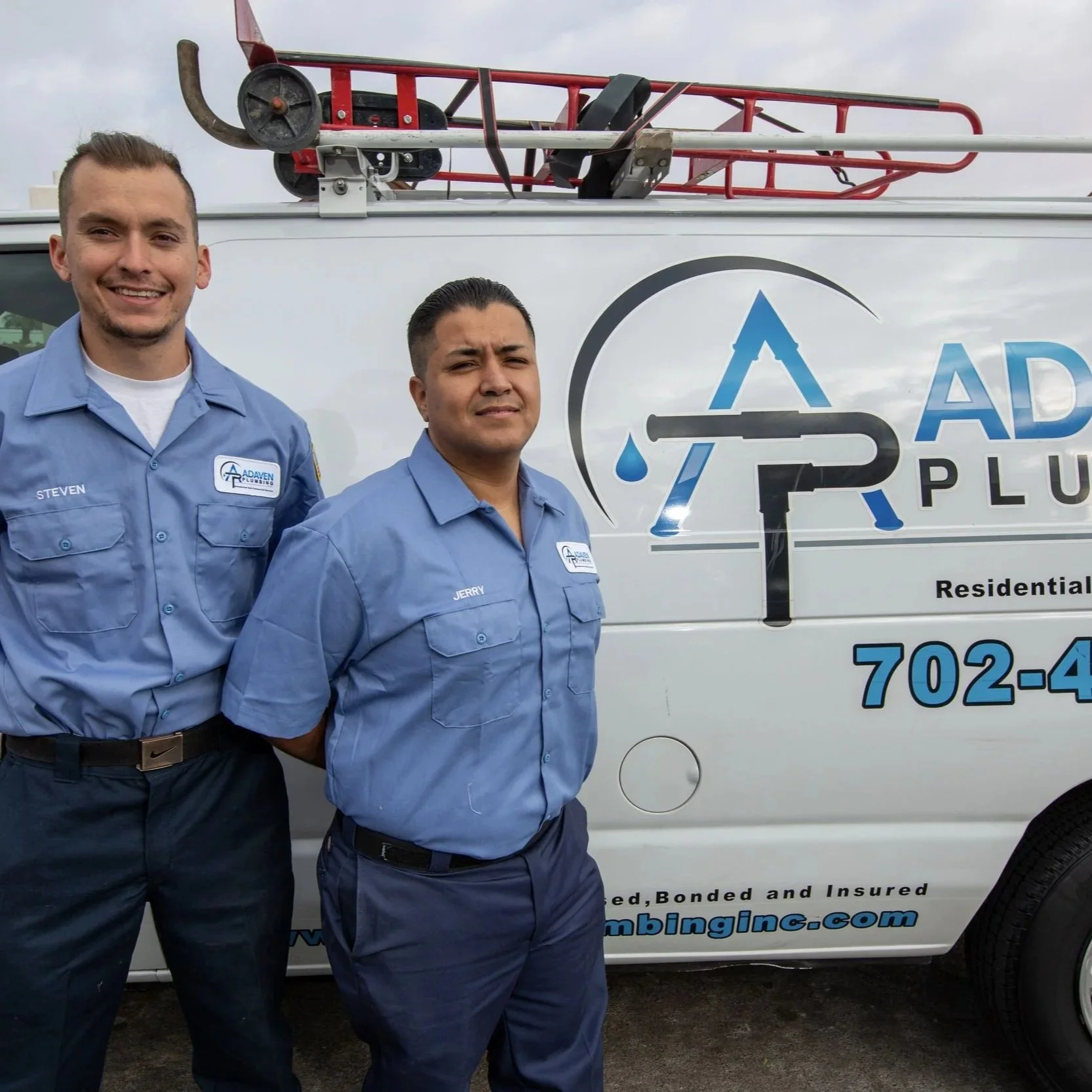
Trust Adaven Plumbing for an effectively and efficiently functioning residential plumbing system. We offer drain cleaning, water leak detection and repair, toilet repairs, home repiping, faucet repair and replacement, and plumbing maintenance solutions in Las Vegas. We have a team of licensed technicians who deliver quality work and 24-hour emergency assistance. Call today to schedule a free onsite estimate.