
Faucet Spraying Water When Turned On: Common Causes And Solutions
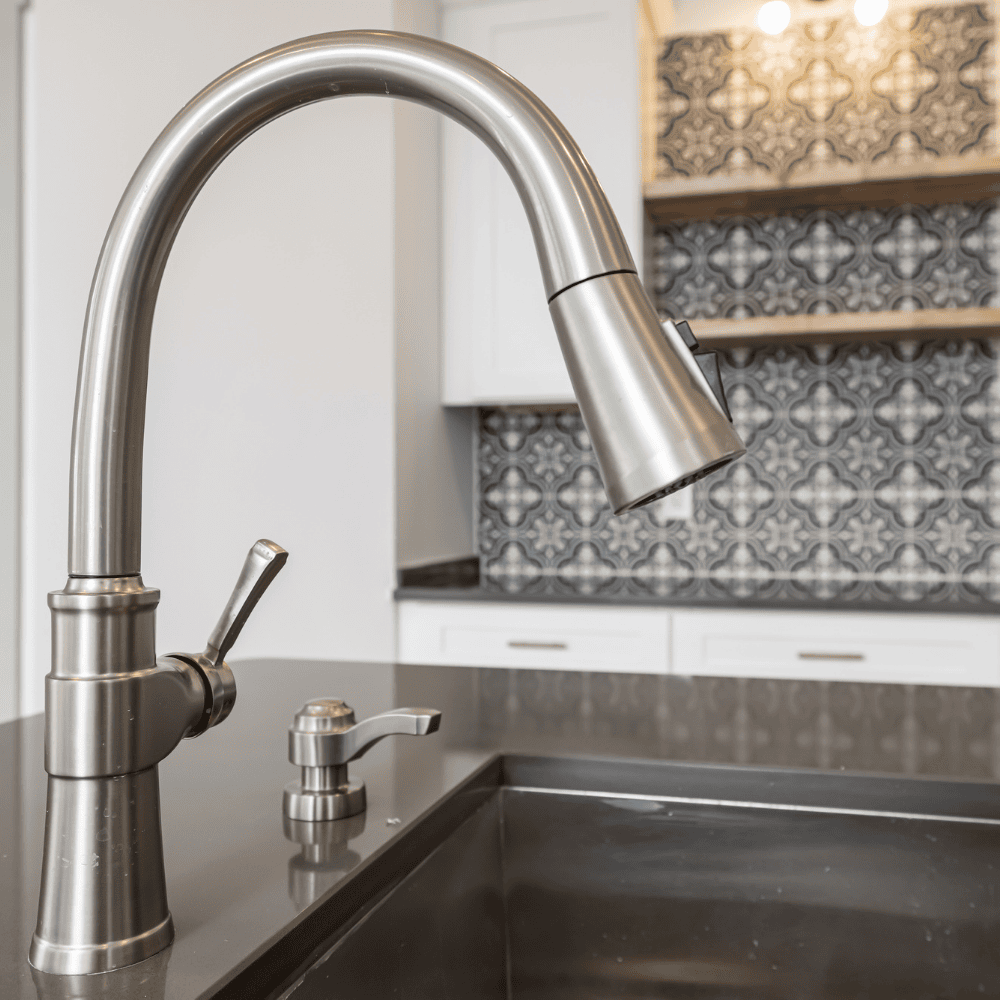
A faucet that sprays water instead of delivering a clean, controlled stream creates instant frustration and often a soaked countertop or cabinet before anyone understands what happened.
A faucet that sprays water instead of delivering a clean, controlled stream creates instant frustration and often a soaked countertop or cabinet before anyone understands what happened. This type of failure feels dramatic, but it almost never occurs without warning signs. Spray patterns usually point to internal pressure escaping through worn components, loose connections, or damaged flow control parts that can no longer contain water properly. Understanding why a faucet sprays when turned on helps homeowners respond quickly and avoid escalating water damage.
Spraying differs from dripping or leaking because pressurized water is actively escaping through an unintended path. That distinction matters because it often signals component failure rather than simple adjustment issues. Faucets operate under constant pressure, and when internal pathways degrade or fittings loosen, water finds the fastest exit point available. Identifying that exit point determines whether the fix is simple, moderately involved, or a sign that replacement makes more sense.
Loose Or Damaged Aerator Causing Side Spray
The aerator sits at the tip of the faucet and regulates flow by mixing air with water. When an aerator loosens, cracks, or becomes clogged with debris, water no longer exits evenly. Instead of flowing straight down, it deflects sideways or sprays unpredictably across the sink.
Mineral buildup often causes internal aerator screens to deform or shift. Hard water accelerates this process by depositing scale that restricts flow unevenly. Removing and cleaning the aerator frequently restores normal flow, but damaged housings require replacement. Because aerators experience constant exposure, they remain one of the most common and easiest spray-related fixes.
Cartridge Or Valve Failure: Letting Water Escape Internally
Cartridge or valve failure often produces spraying near the handle or base when the faucet turns on. Internal seals designed to contain pressure degrade over time, allowing water to escape upward instead of routing through the spout. When this happens, water sprays out from beneath the handle or around decorative trim pieces.
This type of spray worsens quickly because pressure increases as the faucet opens. Tightening external parts rarely resolves the issue since the failure occurs inside the valve body. Replacing the cartridge or valve assembly restores proper flow control and stops internal pressure from escaping. Ignoring this condition allows water to infiltrate cabinetry and damage surrounding materials.
Cracked Or Loose Faucet Body Components
Some faucets spray because the faucet body itself has developed cracks or loosened joints. Cast components weaken over time due to mineral exposure, pressure fluctuations, or manufacturing defects. When water turns on, pressure forces water through hairline fractures or failed joints, creating a spray that appears suddenly and forcefully.
Spray patterns from body damage often appear inconsistent and worsen rapidly. Temporary tightening or sealant application rarely holds because the structure containing pressure has failed. Once the faucet body leaks under pressure, replacement becomes the safest and most reliable solution. Continued use risks sudden rupture and extensive water damage.
Supply Line Connection Problems Under Pressure
Spraying sometimes originates beneath the sink rather than above it. Loose or failing supply line connections can release water under full pressure when the faucet opens. Because supply lines operate continuously under pressure, any weakness becomes obvious the moment flow increases.
Spray from supply connections often hits cabinet walls or the underside of the sink, remaining hidden until damage spreads. Corroded fittings, worn washers, or overtightened compression nuts cause these failures. Replacing supply lines and restoring proper connection torque resolves the issue and prevents repeat failures.
Side Spray Hose And Diverter Failures
Faucets equipped with side sprayers or pull-out hoses introduce additional failure points. When hoses crack internally or diverter valves fail, water sprays beneath the sink or around the faucet base instead of routing to the spout or spray head.
These failures often appear intermittent at first. Water sprays only when certain positions or modes are activated. Over time, pressure worsens the damage until spraying becomes consistent. Replacing hoses or diverter components restores proper flow routing and eliminates unintended spray paths.
Mineral Buildup Creating Internal Pressure Imbalance
Mineral buildup inside faucet channels disrupts smooth water flow. When scale restricts certain pathways, pressure increases unevenly, and forces water out through seals not designed to handle it. Spray may occur at seams, handles, or aerators as water seeks an escape route.
Hard water environments accelerate this process. Cleaning internal components helps temporarily, but repeated buildup often signals that seals and cartridges have already degraded. Addressing mineral issues alongside component replacement improves long-term reliability and reduces recurrence.
Why Tightening Rarely Solves Spray Problems
Tightening external parts rarely fixes spraying because pressure escapes from internal failures rather than loose exterior hardware. Over-tightening often worsens the situation by stressing weakened components or cracking housings. Many spray issues result from seal failure, structural damage, or misrouted flow rather than insufficient torque.
Correct repair focuses on restoring internal containment rather than forcing compromised parts to hold pressure. Identifying the exact spray origin prevents unnecessary damage caused by guesswork tightening.
What Faucet Spraying Usually Costs To Fix
Repair cost depends on the source of the spray and the faucet design. Aerator replacement remains inexpensive. Cartridge replacement falls into a moderate range depending on brand and accessibility. Supply line or hose replacement typically remains straightforward unless cabinet damage already exists.
Replacement becomes cost-effective when the faucet body itself has failed or when multiple components show wear. Addressing the spray early keeps repair focused on the faucet rather than the surrounding cabinetry and finishes.
When Spraying Signals Replacement Instead Of Repair
Spraying caused by cracked bodies, repeated cartridge failure, or corrosion often justifies replacement. Repairs may stop water temporarily but fail again as pressure exploits remaining weaknesses. Replacement provides restored integrity and prevents escalating damage.
Modern faucets offer improved sealing and durability compared to older designs. Choosing replacement after repeated spray failures often saves money long term by eliminating ongoing repair cycles.
Why Acting Quickly Prevents Major Damage
Spray failures release water under full pressure, allowing rapid damage to cabinetry, flooring, and walls. Even short exposure causes swelling and mold risk. Immediate shutdown of the supply and prompt repair prevent damage far beyond the faucet itself.
Delaying action allows hidden moisture to spread unnoticed. Fast response limits repair scope and protects surrounding materials.
FAQs
Spraying usually occurs due to aerator issues, cartridge failure, cracked components, or loose supply connections, allowing pressurized water to escape.
Yes. A damaged or misaligned aerator disrupts flow and causes water to spray sideways instead of downward.
Yes. Spray releases water under pressure and can cause rapid cabinet and countertop damage if not addressed promptly.
No. Tightening often worsens internal damage. Identifying and replacing failed components provides a proper fix.
Replacement makes sense when the faucet body is cracked, corrosion is extensive, or repeated repairs fail to restore reliable performance.
Trust Adaven Plumbing for an effectively and efficiently functioning residential plumbing system. We offer drain cleaning, water leak detection and repair, toilet repairs, home repiping, faucet repair and replacement, and plumbing maintenancesolutions in Las Vegas. We have a team of licensed technicians who deliver quality work and 24-hour emergency assistance. Call today to schedule a free onsite estimate.