
Faucet Makes A Whistling Or Banging Noise: Causes And Fixes
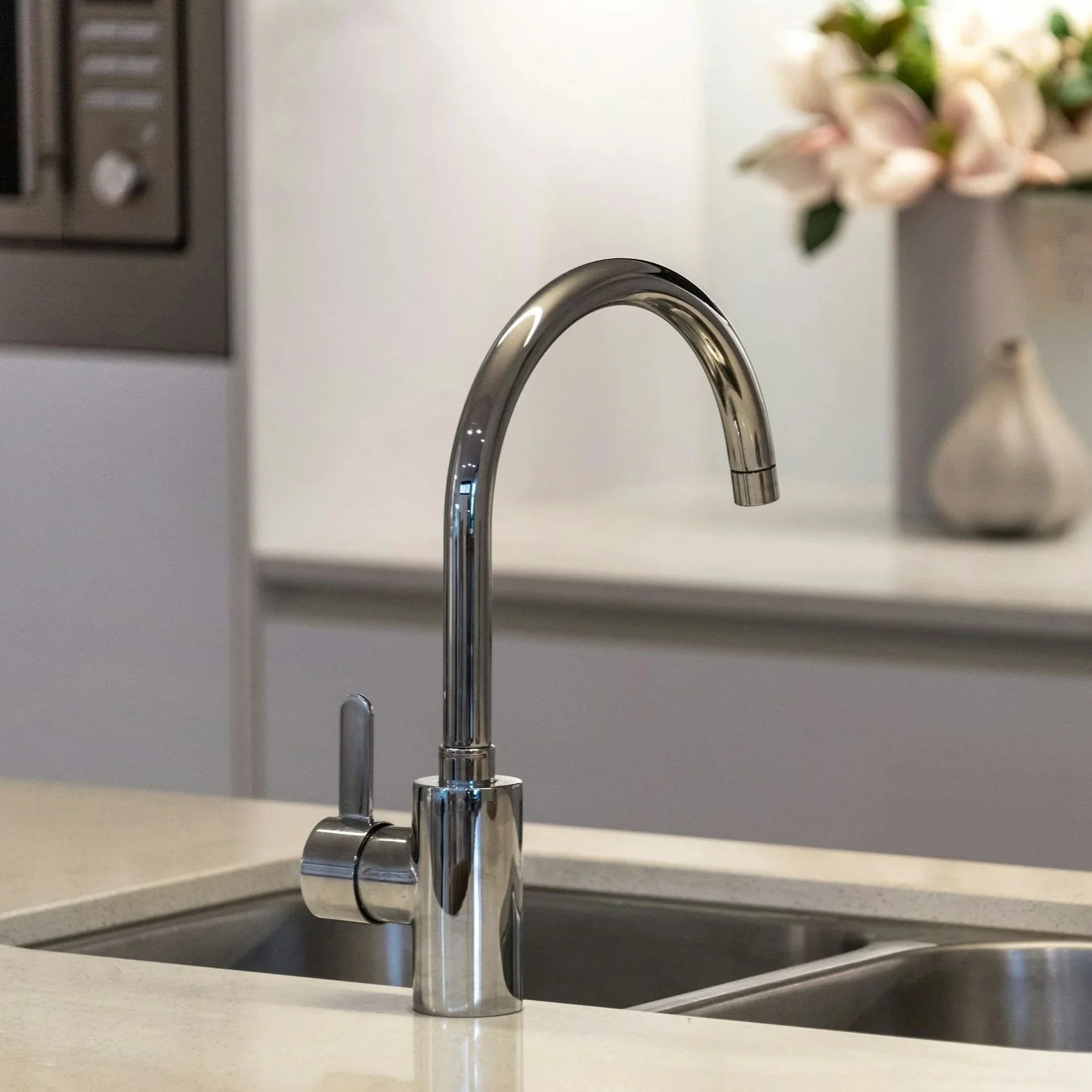
A faucet that whistles, squeals, or bangs when turned on can be startling, especially when the fixture otherwise appears to work normally.
A faucet that whistles, squeals, or bangs when turned on can be startling, especially when the fixture otherwise appears to work normally. These noises are more than just annoying background sounds. They signal that water is moving through the system in an unstable or restricted way. Faucets are designed to deliver water smoothly and quietly, so any audible noise usually points to a pressure imbalance, worn components, or flow disruption somewhere in the system. Ignoring these sounds often allows small issues to escalate into leaks, component failure, or damage to connected plumbing.
Whistling and banging noises come from very different mechanisms, even though they may happen at the same fixture. A high-pitched whistle usually involves vibration or restriction, while a banging or thudding sound indicates sudden pressure changes. Understanding what causes each type of noise helps homeowners identify whether the issue lies inside the faucet, in the shut-off valves, or deeper within the plumbing system. Proper fixes focus on stabilizing water flow rather than masking the sound.
Why do faucets whistle when water is running
Whistling noises typically occur when water is forced through a partially restricted opening. Inside a faucet, this restriction often comes from a worn cartridge, mineral buildup, or a deteriorating washer that no longer sits evenly. As pressurized water squeezes through a narrow or uneven gap, it vibrates surrounding components and produces a high-pitched sound. The pitch may change depending on how far the handle is opened or whether hot or cold water is used.
Aerators also play a major role in whistling. Mineral deposits or debris inside the aerator disrupt smooth flow and create turbulence. Because aerators intentionally slow and shape water, even small blockages can cause noticeable noise. Removing and cleaning the aerator often changes the sound immediately, which helps confirm whether the restriction sits at the spout or deeper inside the faucet body.
How Worn Cartridges And Valves Create Noise
Inside the faucet, cartridges and valves control flow by aligning internal ports and seals. As these components wear, sealing surfaces become uneven and flexible parts lose elasticity. Water flowing past these worn areas vibrates the cartridge housing or valve stem, producing whistling or squealing sounds. This noise often appears only at certain handle positions where flow is partially restricted.
In some cases, the faucet may whistle only on hot or cold water. That behavior points toward a specific side of the cartridge or valve failing rather than a system-wide issue. Replacing the worn internal component usually resolves both the noise and any subtle performance issues, such as uneven temperature control or minor leaks.
Why Shut-Off Valves Can Cause Whistling
Shut-off valves beneath the sink remain a common but overlooked noise source. Older multi-turn valves wear internally and develop loose or degraded washers. When water flows past these components, vibration occurs inside the valve body and travels up through the supply lines, making the sound seem like it comes from the faucet.
Whistling from valves often increases when the faucet is partially open and quiets when fully open. That pattern reflects water squeezing past a compromised internal seal. Replacing aging shut-off valves with modern quarter-turn designs stabilizes flow and eliminates this type of noise while improving reliability.
What Causes Banging Or Thudding Noises At The Faucet
Banging, knocking, or thudding noises usually result from sudden pressure changes rather than restriction. The most well-known example is water hammer, which occurs when flowing water stops abruptly and sends a pressure shock through the pipes. While water hammer often sounds like it comes from inside walls, it can also be triggered by faucets that close quickly or have worn internal components.
Inside the faucet, a failing cartridge or loose internal part may snap shut unevenly, causing a small pressure surge. That surge creates a bang or thud when water hits a closed valve suddenly. These noises often occur when turning the faucet off rather than on, and they may feel stronger during high flow conditions.
How High Water Pressure Makes Noise Problems Worse
Excess water pressure amplifies both whistling and banging. High pressure forces water through restrictions more aggressively, increasing vibration and noise. It also increases the force of pressure surges when valves close, making banging louder and more damaging.
Homes with pressure above recommended levels experience accelerated wear on faucet components, shut-off valves, and supply lines. Even new fixtures may whistle or bang under excessive pressure. Addressing pressure through regulation stabilizes the entire system and prevents repeat noise issues after repairs.
Why Mineral Buildup Contributes To Faucet Noise
Hard water deposits roughen internal surfaces and narrow flow paths. As minerals accumulate on cartridges, washers, and aerators, water flow becomes turbulent instead of smooth. That turbulence generates vibration that translates into audible noise.
Mineral buildup also causes moving parts to stick slightly, then release suddenly as pressure changes. This behavior contributes to both squealing during operation and banging when the faucet shuts off. Cleaning or replacing mineral-damaged components addresses the root cause rather than just the sound.
Loose Parts And Improper Installation As Noise Sources
Faucets that were recently installed or repaired sometimes develop noise due to loose mounting hardware or misaligned components. When parts are not seated correctly, water flow causes them to vibrate against each other. This vibration resonates through the sink and countertop, amplifying the sound.
Improperly secured supply lines can also bang against cabinet walls when pressure changes. Ensuring that all components are aligned, tightened correctly, and supported reduces vibration and prevents noise transmission.
Fixes That Actually Stop Whistling And Banging
Effective fixes depend on identifying the source rather than guessing. Cleaning or replacing aerators addresses the spout level restriction. Replacing worn cartridges, washers, or valves resolves internal vibration. Upgrading old shut-off valves stabilizes the flow before it reaches the faucet.
For banging caused by pressure surges, addressing water pressure and improving valve closure behavior matter more than replacing visible parts alone. Securing supply lines and correcting installation issues further reduces noise. Successful repair restores smooth, stable flow rather than just silencing symptoms temporarily.
Why Ignoring Faucet Noises Leads To Bigger Problems
Noise rarely stays isolated. Vibration accelerates wear on seals, threads, and housings. Pressure surges stress supply lines and valves. Over time, components that whistle or bang often progress to leaking or sudden failure.
Ignoring these warning signs allows small mechanical issues to develop into water damage or emergency repairs. Addressing noise early protects fixtures, cabinets, and connected plumbing while restoring quiet operation.
When Replacement Makes More Sense Than Repair
Replacement becomes practical when noise persists despite component replacement or when multiple parts show wear simultaneously. Older faucets with mineral damage, repeated cartridge failures, or corroded internal passages may never operate quietly again.
Modern faucets incorporate improved internal designs that reduce turbulence and vibration. Pairing replacement with valve upgrades and pressure management delivers long-term reliability and quiet performance rather than repeated troubleshooting.
FAQs
Partial opening creates a flow restriction that causes vibration inside worn cartridges, washers, or valves.
Yes. Excess pressure forces water through small openings aggressively and increases vibration and noise.
Banging usually results from sudden pressure changes or water hammer caused by abrupt valve closure.
Yes. Worn or damaged shut-off valves often whistle or vibrate and make the noise seem like it comes from the faucet.
No. Noise indicates instability that often leads to leaks or component failure if left unaddressed.
Trust Adaven Plumbing for an effectively and efficiently functioning residential plumbing system. We offer drain cleaning, water leak detection and repair, toilet repairs, home repiping, faucet repair and replacement, and plumbing maintenance solutions in Las Vegas. We have a team of licensed technicians who deliver quality work and 24-hour emergency assistance. Call today to schedule a free onsite estimate.