
Factors in Bathtub Selection
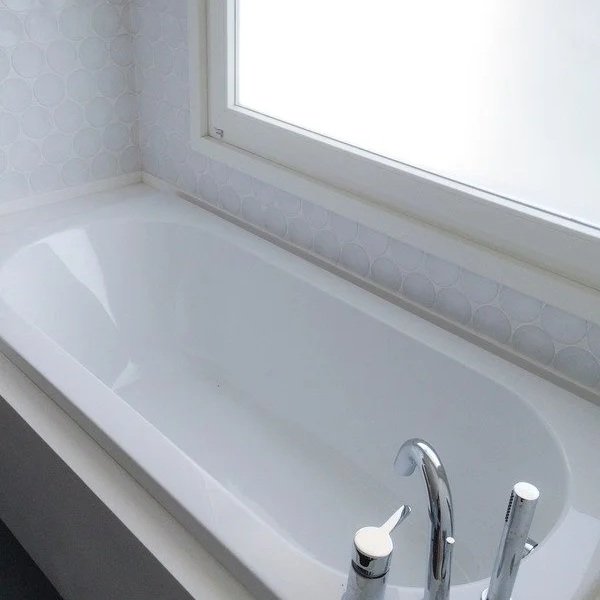
Selecting the right bathtub is more than choosing a shape or color—it’s about comfort, longevity, and how the tub fits your daily lifestyle. A new bathtub can completely change the feel of a bathroom, turning an ordinary space into a private retreat. However, with so many styles, materials, and installation options available, choosing can feel overwhelming without the right guidance.
Understanding the essential factors in bathtub selection helps homeowners make an informed investment that fits both design preferences and practical needs. From choosing the right size to understanding water efficiency, professional insight ensures the tub performs beautifully and lasts for years. A qualified plumbing or remodeling expert can guide homeowners through the process, preventing costly mistakes and ensuring the perfect match for the existing plumbing system.
STYLE
There’s no universal standard for bathtub design, which gives homeowners plenty of flexibility to match their space. The most popular styles include options that suit different layouts, budgets, and aesthetic preferences.
Drop-In Bathtubs
Drop-in tubs are installed inside a framed enclosure, offering a clean, built-in appearance. They’re ideal for modern bathrooms that value sleek lines and hidden plumbing. Because the tub rim sits flush with the surface, it’s easier to clean and provides a cohesive, polished look. Drop-in models are available in a range of sizes, depths, and finishes, making them a versatile choice for both master and guest bathrooms.
Alcove Bathtubs
Alcove tubs are surrounded by three walls, often with a showerhead installed above. This classic setup maximizes space efficiency, making it one of the most common bathtub types in standard homes and apartments. It’s especially suitable for smaller bathrooms or combined shower-bath designs. The simplicity of installation and the ability to integrate a shower curtain or glass door make the alcove tub a reliable, space-saving favorite for many homeowners.
Freestanding Bathtubs
Freestanding or stand-alone tubs make a bold design statement. They don’t require wall support and can be placed anywhere there’s proper plumbing access. From contemporary oval shapes to traditional clawfoot models, these tubs are perfect for homeowners seeking a centerpiece feature. They’re also available in modern pedestal designs that elevate the space and draw attention to the tub as the room’s focal point.
Corner Bathtubs
For bathrooms with limited space, corner bathtubs provide a compact yet luxurious solution. They often have wider basins that accommodate soaking without taking up extra floor space. Some corner models feature built-in seating or whirlpool jets, making them a smart option for homeowners who want comfort and functionality in one design.
Each bathtub style comes with its own installation needs, and working with a professional ensures the right plumbing setup and support structures are in place. Professionals can also help homeowners navigate any building code requirements and evaluate whether the floor can support heavier tub models like cast iron or stone resin.
MATERIAL
The material of a bathtub affects everything from comfort and heat retention to price and durability. Understanding the pros and cons of each option helps narrow down the choices while balancing cost and quality.
Fiberglass
A popular, lightweight option that’s budget-friendly and easy to install. Fiberglass tubs are durable but can scratch more easily than other materials. They’re ideal for quick remodels or secondary bathrooms and can last for years with proper cleaning and care.
Acrylic
Acrylic tubs strike a balance between affordability and performance. They retain heat well, resist fading, and come in many shapes and colors. Their nonporous surface makes cleaning easier, making them one of the most practical materials for family bathrooms. Acrylic tubs also tend to be quieter than metal alternatives when filling or draining water.
Porcelain-Coated Steel
These tubs provide a classic, glossy finish but are heavier and more prone to chipping if struck. They’re best suited for homes with strong floor structures and offer an elegant look that stands the test of time.
Cast Iron
Cast iron tubs are timeless and extremely durable. Their enamel coating resists scratches, and they hold heat longer than most materials. However, due to their weight, they often require reinforced flooring and professional installation. These tubs are known for their longevity—many last for decades without losing their shine.
Stone Resin or Solid Surface
For high-end remodels, stone resin and solid surface tubs offer unmatched luxury. They’re customizable in shape, color, and texture but come with a higher cost. Their matte finishes and smooth contours provide a modern, sophisticated appeal that complements upscale bathroom designs.
A plumbing professional can help evaluate which material fits your water heating system, space constraints, and maintenance preferences. Professionals also advise on finish durability and temperature retention to help homeowners make the most energy-efficient choice.
SIZE
Bathtub size directly impacts comfort and usability. The standard size for a built-in bathtub is about 60 inches long, 32 inches wide, and 18 inches deep. However, every home layout is different, and dimensions must align with available space and plumbing access. Oversized tubs may offer luxurious comfort, but they also require more hot water capacity and stronger floor support.
When selecting a new bathtub, professionals recommend:
Allowing at least 30 inches of clearance in front of the tub for comfortable movement.
Ensuring that floor structure can handle the tub’s weight, especially for cast iron or large soaking models.
Measuring existing plumbing lines before final purchase to confirm compatibility.
If remodeling the bathroom, professional bathtub installation ensures that new tubs fit perfectly with updated layouts and meet building codes. Professional measurements and assessments can prevent delays and expensive retrofits during the installation process.
COMFORT AND DEPTH
Comfort is key in bathtub selection. Soaking tubs, for example, are deeper than standard models, allowing full-body immersion for relaxation. Some models include ergonomic contours that support the neck and back, while others feature built-in armrests or lumbar slopes.
Professionals often recommend sitting in the display model before choosing to test comfort level and depth. For those who enjoy long soaks or therapeutic bathing, a soaking or whirlpool tub offers spa-like comfort at home. Whirlpool and air-jet tubs are particularly beneficial for those seeking hydrotherapy benefits, promoting muscle relaxation and stress relief.
WATER USAGE AND EFFICIENCY
Water consumption varies significantly by tub type. A standard bathtub holds 40 to 60 gallons, while larger soaking tubs can use up to 100 gallons per bath. That added water capacity can increase energy costs if the water heater isn’t sized properly.
Modern tubs designed with water efficiency in mind reduce overall consumption without compromising experience. Installing pressure-balanced valves and low-flow faucets also supports conservation goals. Professional plumbers can evaluate water pressure and drainage systems to ensure optimal performance for any selected tub. For eco-conscious homeowners, choosing a smaller tub or integrating water-saving fixtures is an excellent way to balance comfort and sustainability.
INSTALLATION AND MAINTENANCE
Professional installation is vital for ensuring the longevity of any bathtub. Improper installation can lead to leaks, structural damage, or poor drainage. Licensed plumbers inspect the subfloor, drain alignment, and water lines before setting the tub in place.
Maintenance requirements vary by material:
Fiberglass and acrylic require gentle cleaning to prevent scratching.
Porcelain and cast iron may need periodic refinishing.
Stone resin surfaces should be cleaned with non-abrasive products.
Regular professional maintenance helps prevent leaks, clogs, and mineral buildup that can damage fixtures over time. Homeowners who schedule annual inspections can detect small issues before they turn into major plumbing repairs.
BUDGET AND LONGEVITY
Budget plays a significant role in bathtub selection. While fiberglass and acrylic options are affordable, luxury materials like cast iron or stone resin represent a long-term investment.
Homeowners should also consider the cost of professional installation, which can vary depending on plumbing complexity, accessibility, and material weight. Working with a plumbing professional ensures accurate estimates and helps avoid unexpected expenses later. The longevity of a tub often reflects its price—higher-quality materials and expert installation can prevent costly replacements down the road.
AESTHETIC APPEAL
The right bathtub ties a bathroom’s design together. Color, shape, and finish should complement the overall style—modern, traditional, or transitional. Professional remodelers can help select models that blend form and function, ensuring every feature enhances the look and usability of the space. Homeowners should also consider matching fixtures, tile finishes, and lighting to create a cohesive design that feels both timeless and personal.
WHY PROFESSIONAL GUIDANCE MATTERS
Selecting a bathtub isn’t just about visual appeal. It requires understanding water supply, drainage systems, and space limitations. A professional bath remodeling and plumbing team can evaluate:
Whether existing plumbing supports the desired style
How much reinforcement the flooring requires
Which materials best fit household water heating capacity
The most cost-effective and durable installation methods
Partnering with professionals ensures that every detail—from measurement to final seal—is completed correctly, guaranteeing both performance and safety. A professional installation provides peace of mind, knowing your bathtub won’t just look great but function flawlessly for years.
Choosing the Right Bathtub – Essential FAQs for Homeowners
What type of bathtub is best for small bathrooms?
Alcove and corner bathtubs are best suited for compact bathrooms because they maximize space while providing full functionality.
How much does professional bathtub installation cost?
Costs vary depending on material, plumbing requirements, and location, but homeowners can expect professional installation to start around a few hundred dollars and increase based on complexity.
Which bathtub material lasts the longest?
Cast iron and stone resin tubs offer exceptional durability and can last several decades with proper care.
Can I replace a bathtub without remodeling the entire bathroom?
Yes. A professional plumber can install a new tub into an existing space if the dimensions and plumbing align.
Are freestanding tubs hard to maintain?
Not at all. As long as the plumbing is properly installed and accessible, freestanding tubs are easy to clean and maintain.
What’s the most comfortable bathtub shape?
Oval and ergonomic soaking tubs typically offer the best comfort for full-body immersion and relaxation.
Do deeper tubs use more energy?
Yes, deeper tubs require more hot water, which increases heating demands. Professionals can recommend efficient water-heating solutions that balance comfort and energy savings.
How often should a bathtub be refinished or replaced?
Depending on material, most tubs last 10 to 25 years. Refinishing may be needed every few years to maintain shine and prevent chipping, especially for porcelain and cast iron.