
Crack in Toilet Bowl vs. Crack in Tank: What’s Dangerous, What’s Fixable, and What Requires Replacement
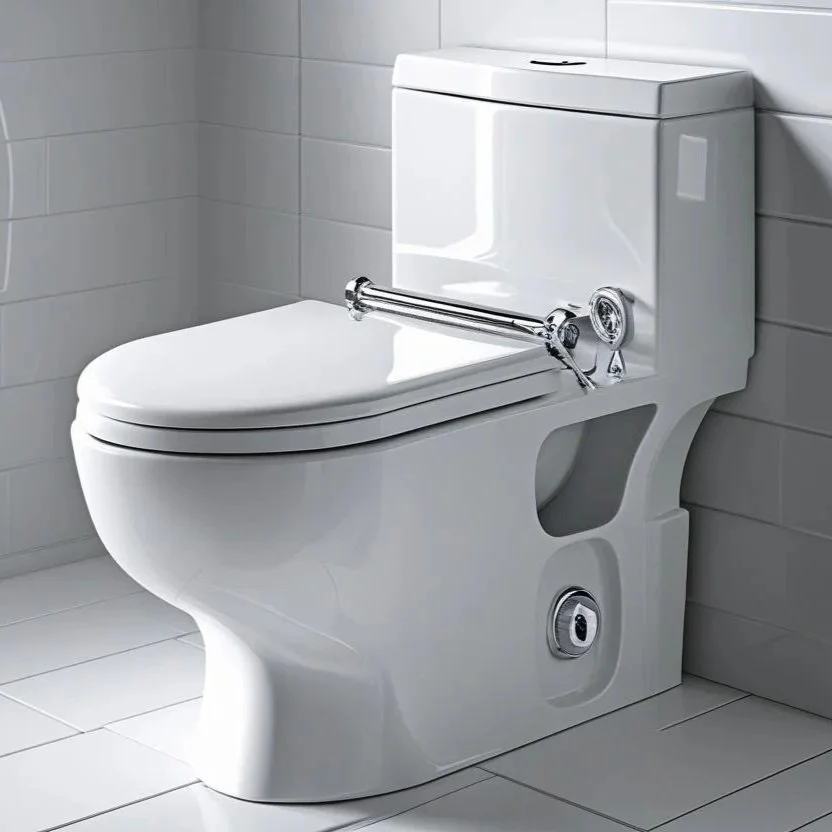
A toilet tank leaking creates confusion because the water often appears without an obvious source.
Cracks in toilets trigger understandable concern because porcelain failures behave very differently depending on where the damage occurs. A crack in the toilet tank does not carry the same risks as a crack in the bowl, yet many homeowners treat both situations as interchangeable. That misunderstanding leads to unsafe decisions, wasted repair attempts, or delayed replacement when immediate action matters. Toilets operate under constant water pressure and physical load, which means cracks never remain neutral under these conditions. Each crack location introduces distinct risks tied to water release, structural integrity, and personal safety.
Porcelain toilets rely on rigid material that cannot flex or self-correct once damaged. Small fractures often expand under pressure, temperature change, or repeated use. Understanding the difference between a crack in the toilet bowl and a crack in the tank helps homeowners respond correctly instead of guessing. Some situations allow limited use while planning replacement, others require immediate shutdown, and none improve with time. Correct diagnosis protects both property and occupants from escalating damage.
Why A Crack In The Toilet Tank Behaves Differently
Toilet tanks hold water under constant static pressure supplied directly from the home’s plumbing system. A crack in the tank allows water to escape continuously, regardless of flushing. Hairline fractures may leak slowly at first, creating moisture trails along the porcelain or water pooling beneath the tank. Over time, pressure widens the crack, increasing leak volume and destabilizing the tank structure.
Tank cracks are dangerous primarily because of the risk of sudden failure. A compromised tank wall can split without warning, releasing several gallons of water rapidly. That type of failure causes immediate flooding rather than gradual seepage. Sealants or epoxy repairs rarely hold because pressure remains constant, and porcelain does not bond reliably once fractured. A cracked tank requires replacement because the structural integrity that contains pressurized water no longer exists.
What Makes A Crack In The Toilet Bowl More Dangerous
Cracks in toilet bowls introduce risks beyond water damage. The bowl supports body weight during use and experiences repeated mechanical stress. A cracked bowl compromises structural strength, making collapse possible under load. When porcelain fails under pressure, sharp fragments form instantly, creating severe injury risk.
Bowl cracks may leak water during flushing, but the greater danger involves sudden breakage rather than gradual leakage. Small cracks often worsen as users sit, shift weight, or flush. Even hairline fractures indicate compromised strength. Unlike tank cracks, bowl cracks pose direct physical safety hazards and require immediate replacement. Continued use places occupants at risk of serious injury.
Why Porcelain Cracks Cannot Be Reliably Repaired
Porcelain toilets are fired ceramics designed for compressive strength, not flexibility. Once cracked, the material cannot redistribute stress. Adhesives and sealants may temporarily reduce visible leakage, but they do not restore structural integrity. Temperature changes, vibration, and pressure continue to stress the fracture line beneath any applied patch.
Repair attempts often fail suddenly rather than gradually. A tank patch may appear dry for weeks before splitting under pressure. A bowl repair may hold briefly before collapsing under normal use. Because failure consequences involve flooding or injury, repair does not represent an acceptable long-term solution. Replacement remains the only reliable option once porcelain cracks appear.
How To Identify Whether A Crack Is In The Bowl Or The Tank
Tank cracks typically appear along the sides or base of the tank and leak continuously. Water may track downward even when the toilet has not been flushed. Moisture often appears higher on the fixture and follows gravity downward.
Bowl cracks usually appear inside the bowl or along the exterior curve near the base. Leaks often occur during or immediately after flushing. Hairline fractures inside the bowl may discolor over time as minerals collect in the crack. Any visible crack in the bowl indicates structural compromise, regardless of leak severity.
What Is Fixable And What Is Not
Valve leaks, tank-to-bowl gasket failures, mounting bolt leaks, and supply line issues remain repairable and often mistaken for cracks. These problems originate at joints or components rather than through the porcelain itself. Replacing parts restores proper operation when the porcelain remains intact.
Actual porcelain cracks are never considered fixable. Tanks with cracks require replacement of the tank or the entire toilet. Bowls with cracks require immediate toilet replacement. Distinguishing between component leaks and structural damage prevents unnecessary repairs while avoiding unsafe delays.
When Immediate Action Is Required
A cracked toilet bowl requires immediate shutdown of the water supply and discontinuation of use. Continued use risks collapse and injury. A cracked tank also requires shutting off the supply promptly to prevent sudden rupture and flooding. Both conditions justify urgent replacement planning.
If uncertainty exists about whether damage represents a crack or surface defect, stopping use until confirmed prevents escalation. Hairline fractures should never be ignored simply because leakage appears minimal. Risk increases with every flush and every temperature change.
Why Delaying Replacement Increases Damage
Cracked tanks often worsen quietly until catastrophic failure occurs. Cracked bowls may hold temporarily before collapsing unexpectedly. Water damage spreads beneath the flooring long before visible pooling appears. Structural damage to subfloors and ceilings below increases repair costs far beyond the toilet itself.
Delaying replacement rarely saves money. It increases risk exposure, repair scope, and safety hazards. Prompt replacement protects property and occupants while avoiding secondary damage.
Choosing Replacement Over Repair With Confidence
Replacement decisions feel disruptive, but cracked porcelain removes choice from the equation. Tanks and bowls rely on an intact ceramic structure to function safely. Once compromised, continued use becomes unpredictable.
Modern toilets offer improved water efficiency, reliability, and comfort compared to older models. Replacement addresses both safety concerns and performance upgrades simultaneously. Treating cracked porcelain as a replace-only condition eliminates uncertainty and prevents dangerous outcomes.
FAQs
Yes. A cracked toilet bowl poses a serious injury risk because porcelain can collapse under weight. Immediate replacement is required.
No. Tank cracks cannot be reliably repaired due to constant water pressure. Replacement is required.
Tank cracks leak continuously without flushing. Bowl cracks usually leak during flushing and may appear inside the bowl or near the base.
Yes. Shut off the water supply and stop using the toilet until replacement occurs.
No. Hairline cracks indicate structural failure and often worsen without warning. Replacement is the only safe solution.