
Common Residential Plumbing Issues
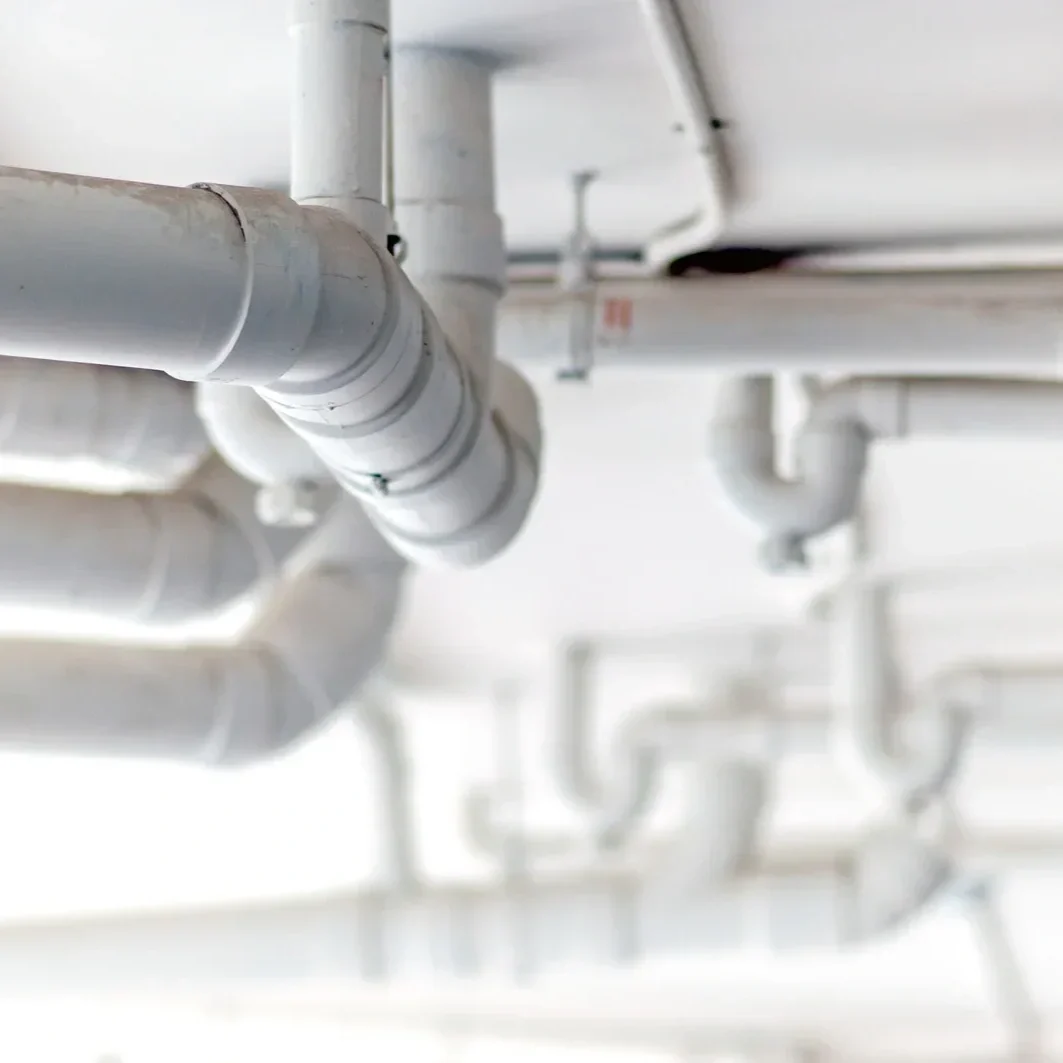
From leaks to clogs to water heater failures, knowing what to look for and when to call a professional can save thousands in damage and prevent plumbing emergencies.
In most homes, plumbing problems don’t happen overnight. They begin quietly—often with a faint drip, a sluggish drain, or a drop in water pressure that goes unnoticed until something significant occurs. For Las Vegas homeowners, these issues are even more concerning due to mineral-heavy water, temperature extremes, and shifting soil conditions.
Professional plumbers understand that every minor symptom can point to a much larger issue within the system. From leaks to clogs to water heater failures, knowing what to look for and when to call a professional can save thousands in damage and prevent plumbing emergencies.
This guide explores the most common residential plumbing issues, what causes them, and why professional inspection and repair are the safest long-term solutions.
Clogs
Clogs are among the most common and persistent residential plumbing issues. They can occur in kitchen sinks, showers, tubs, or toilets and are typically caused by buildup inside pipes. In Las Vegas, hard water minerals combine with grease, soap scum, and food particles to create stubborn blockages.
When clogs form, water has nowhere to go, leading to pooling in sinks or showers. You might notice water rising when flushing the toilet or slow drainage after using your sink. These symptoms often indicate a deeper blockage in the main drain or sewer line.
Chemical drain cleaners may offer temporary relief but can corrode pipes, weaken joints, and shorten the lifespan of your plumbing system. The most effective solution is professional drain cleaning. Licensed plumbers use safe hydro-jetting and mechanical augers to remove buildup without damaging the pipes.
To avoid future clogs, avoid flushing anything other than toilet paper. Coffee grounds, grease, and wipes—even those labeled “flushable”—should always go in the trash. Routine professional cleaning helps prevent long-term blockages and keeps your drains flowing freely.
Low Water Pressure
Few things are more frustrating than low water pressure when you’re trying to shower or wash dishes. This issue may stem from a simple fixture problem or indicate a more serious internal plumbing issue.
In Las Vegas, low water pressure is often linked to hard water deposits. Minerals accumulate in faucets, showerheads, and pipes, restricting flow. Older homes with aging pipes can also experience corrosion or pinhole leaks that reduce water pressure throughout the system.
Professional plumbers diagnose low pressure by testing water lines, checking for leaks, and inspecting pressure regulators. If buildup is the issue, they can clean aerators or recommend installing a water softener to prevent future mineral scaling.
Maintaining proper pressure between 55 and 75 psi keeps your plumbing system functioning efficiently. If your water pressure fluctuates or drops suddenly, contact a professional to evaluate the source before it worsens.
Water Leaks
Even the smallest water leak can cause major damage if left untreated. A dripping faucet, damp wall, or wet spot on the floor often signals a deeper plumbing problem. Las Vegas homes are especially susceptible to leaks due to high water pressure, corrosion, and hard water scaling.
Undetected leaks can increase water bills, weaken drywall, and lead to mold growth. Over time, structural damage becomes inevitable. Professional plumbers use advanced leak detection technology—such as acoustic sensors, moisture meters, and thermal imaging—to locate leaks hidden behind walls or beneath floors without tearing into the structure unnecessarily.
If you notice a sudden spike in your utility bill or hear running water when no fixtures are on, schedule an inspection right away. Prompt repair protects both your plumbing and your property value.
Pipe Issues
Your home’s pipes are the backbone of the plumbing system. When they fail, everything else suffers. Older copper and galvanized pipes are prone to rust, corrosion, and pinhole leaks, especially when exposed to Las Vegas’s hard water.
As corrosion eats away at the metal, it weakens joints and fittings, allowing water to escape into walls or under flooring. These leaks can lead to low pressure, high water bills, and water damage. In addition, temperature fluctuations between hot days and cool nights cause pipes to expand and contract, increasing wear over time.
Professional plumbers can inspect your pipes using cameras and pressure tests to identify corrosion or deterioration. Replacing aging pipes with modern PEX or PVC materials prevents future failures and improves water quality. If your plumbing system is more than twenty years old, professional inspection and repiping may be the most reliable investment you can make.
Water Heater Trouble
Hot water is a necessity in any home, and when the water heater fails, it can disrupt daily routines. Water heater issues often develop gradually. You may first notice inconsistent temperatures, discolored water, or rumbling noises from the tank. These are early warning signs that sediment buildup or corrosion has begun.
In Las Vegas, hard water accelerates sediment accumulation at the bottom of the tank, forcing the system to work harder and use more energy. Over time, this reduces efficiency and leads to overheating or leaks.
Professional maintenance—including annual tank flushing and anode rod replacement—extends the lifespan of your water heater. If your unit is over ten years old or cannot meet your household’s hot water demands, replacement may be the most cost-effective solution. A licensed plumber can recommend energy-efficient models that balance performance and savings.
Running Toilets
A toilet that won’t stop running is more than an annoyance—it’s a major water waster. The problem usually stems from a worn-out flapper, broken fill valve, or improperly adjusted float. A single running toilet can waste hundreds of gallons of water per day, quickly increasing your utility costs.
Professional plumbers can identify and replace defective components, restoring normal function and conserving water. If several toilets in your home experience the same issue, it could indicate a larger problem with your home’s water pressure or supply lines. Regular inspection ensures your fixtures work efficiently and reliably.
Slab Leaks
One of the most serious residential plumbing issues is a slab leak. These occur when a water line beneath your home’s concrete foundation cracks or ruptures. Because the leak is buried, it often goes unnoticed until major damage appears.
Common signs include warm spots on the floor, water pooling near the foundation, or unexpectedly high water bills. Slab leaks can cause soil erosion, foundation cracks, and extensive water damage if ignored.
Professional plumbers use specialized tools for slab leak detection, such as electronic listening devices and thermal imaging. Once identified, repairs may involve rerouting the pipe, sealing it with epoxy lining, or performing trenchless pipe replacement. In Las Vegas, where soil movement and water hardness are prevalent, early slab leak detection is crucial for protecting your foundation and plumbing system.
Sewer Line Problems
If you notice multiple drains backing up at once or smell sewage near drains, the main sewer line may be blocked. Tree roots, soil shifting, or debris buildup can cause clogs deep in the system.
Licensed plumbers use video camera inspections to identify the problem accurately. Depending on the extent of the blockage, solutions include hydro-jetting to clear the line or replacing damaged pipe sections. Preventive maintenance—such as periodic inspections and root barrier treatments—helps avoid unexpected sewer backups and keeps your plumbing flowing smoothly.
Preventing Common Plumbing Problems
Prevention is always more affordable than repair. Homeowners can minimize plumbing issues with proactive maintenance and professional inspection.
Schedule annual plumbing checkups with a licensed Las Vegas plumber. Technicians can identify small leaks, pressure irregularities, and mineral buildup before they cause costly failures. Installing leak detection sensors near major appliances, upgrading outdated piping, and maintaining moderate water pressure all contribute to long-term plumbing health.
Homeowners in desert climates should also monitor water quality. Installing a water softener not only protects pipes but also improves the lifespan of appliances and fixtures by reducing mineral deposits. Preventive measures ensure that your plumbing system runs efficiently and avoids emergency repairs.
Why Professional Plumbing Service Matters
Many homeowners attempt DIY plumbing repairs, but complex systems require expertise. A quick fix can easily turn into a costly mistake if performed incorrectly. Professional plumbers bring specialized equipment, training, and knowledge of local building codes.
In Las Vegas, plumbing professionals are familiar with challenges like high mineral content, fluctuating temperatures, and soil conditions that affect foundations. Their expertise allows them to design and repair plumbing systems that meet both local regulations and long-term performance standards.
When it comes to your home’s water system, professional service ensures lasting results, peace of mind, and full protection for your property investment.
Plumbing Problems in Las Vegas – What You Need to Know Now
What causes most residential plumbing problems in Las Vegas?
Hard water, corrosion, temperature fluctuations, and soil movement are common causes of plumbing failures in Las Vegas homes.
How can I detect a hidden leak?
Watch for spikes in your water bill, damp flooring, musty odors, or the sound of running water when fixtures are off. Professional leak detection can confirm the source.
How often should I have my plumbing inspected?
An annual inspection is recommended, or sooner if you notice slow drains, fluctuating pressure, or visible leaks.
Can hard water damage my plumbing system?
Yes. Hard water leads to mineral buildup inside pipes and fixtures, reducing water flow and increasing the risk of leaks.
Are slab leaks common in Las Vegas?
Yes. Many homes are built on concrete foundations, and the combination of soil movement and mineral corrosion makes slab leaks a frequent issue.
Should I replace old pipes even if they aren’t leaking?
If your pipes are over 20 years old, replacement can prevent future leaks and improve water quality. Modern PEX piping is durable and corrosion-resistant.
What can I do to prevent clogs?
Avoid flushing non-dissolvable materials and schedule professional drain cleaning every year to keep lines clear.
Who should I call for plumbing leak repair in Las Vegas?
Contact a licensed local plumbing company experienced in leak detection, pipe repair, and water heater service. Local professionals understand the city’s water conditions and building standards.