
Commercial Faucet Repair, Restrooms, Breakrooms, and High-Use Fixtures
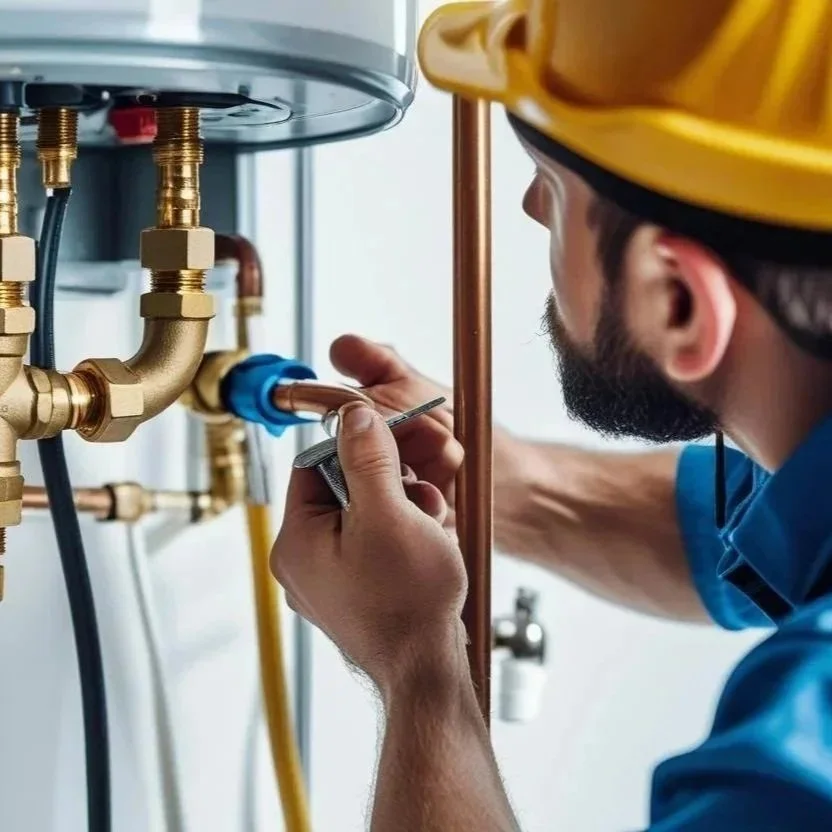
Commercial faucets work far harder than residential fixtures, and the problems they develop reflect that workload.
Commercial faucets work far harder than residential fixtures, and the problems they develop reflect that workload. Restrooms, breakrooms, and other high-use environments expose faucets to constant operation, aggressive cleaning, fluctuating pressure, and water quality issues that accelerate wear. What looks like a simple drip or loose handle in a commercial setting often signals deeper stress inside the fixture. Repairs that might last years in a home may fail quickly when exposed to hundreds of daily uses.
High-use faucets do not fail randomly. They follow predictable patterns based on usage volume, design limitations, and maintenance practices. Understanding how commercial faucets wear, why repairs differ from residential fixes, and when replacement makes more sense helps property managers reduce downtime, water waste, and repeat service calls.
Why Commercial Faucets Fail Faster Than Residential Fixtures
Commercial faucets experience mechanical fatigue at a much higher rate because of constant cycling. Handles, cartridges, and seals move thousands of times per week instead of a few dozen. Each cycle adds friction and wear that compounds quickly. Even durable components eventually lose precision under that level of use.
Environmental factors amplify the problem. Restrooms often experience temperature swings and chemical exposure from cleaning agents. Breakrooms deal with food debris, grease, and inconsistent use patterns that strain internal components. These conditions shorten the lifespan of parts designed for average use, making proactive repair and inspection more critical in commercial settings.
Common Leak Sources in High-Use Restrooms
Restroom faucets frequently develop leaks around handles, bases, and sensor housings. Manual faucets wear seals and cartridges unevenly due to varied user behavior. Handles get forced, twisted, or slammed, which accelerates internal damage. Leaks may appear only during operation at first, then progress to constant seepage as wear increases.
Sensor-operated faucets introduce additional failure points. Solenoid valves, diaphragms, and electronic controls fail under heavy use or inconsistent water quality. Small internal leaks may go unnoticed until water damage appears beneath sinks or inside walls. Diagnosing these leaks requires understanding both plumbing and electronic components rather than relying on visual cues alone.
Breakroom Faucet Problems And Their Hidden Causes
Breakroom faucets face a different type of stress. Grease, food particles, and debris clog aerators and internal passages quickly. Flow restriction increases internal pressure, forcing water past seals that would otherwise hold. Leaks around the base or handle often follow shortly after flow issues appear.
Pull-down or pull-out faucets in breakrooms experience accelerated hose fatigue. Frequent extension and retraction weakens internal liners faster than in residential kitchens. Leaks often occur under the sink where hoses bend repeatedly. These failures release water under pressure and can damage cabinetry or flooring before anyone notices.
How Constant Use Affects Cartridges And Valves
Cartridges and valves in commercial faucets wear out through friction rather than age alone. Seals lose elasticity, alignment surfaces roughen, and internal ports deform slightly with repeated use. Once tolerances change, water bypasses seals even when components look intact.
Replacing cartridges without addressing contributing factors often results in short-lived repairs. High pressure, mineral buildup, and debris accelerate wear on new parts immediately. Effective commercial repair considers system conditions alongside component replacement to avoid rapid recurrence.
Why Temporary Fixes Rarely Work In Commercial Settings
Temporary fixes fail quickly in high-use environments because they do not address load conditions. Tightening handles, adding sealant, or swapping parts without inspection often masks symptoms briefly while underlying stress continues.
Commercial fixtures demand repairs that restore full function under sustained use. Anything less leads to repeated downtime and higher long-term costs. Repair strategies must assume constant operation rather than occasional use.
Water Pressure And Quality As Multipliers Of Wear
High water pressure magnifies wear in commercial faucets. Excess pressure forces seals to work harder during every cycle. Pressure spikes from simultaneous fixture use further stress components. Faucets that might tolerate pressure variations in a home fail rapidly in commercial restrooms.
Water quality compounds the issue. Hard water deposits restrict flow and abrade internal surfaces. Debris clogs sensors and solenoids. Without filtration or treatment, new components degrade quickly. Addressing pressure and quality improves repair longevity more than repeated part replacement alone.
When Commercial Faucet Replacement Makes More Sense
Replacement becomes practical when repair frequency increases or when fixtures no longer meet usage demands. Older faucets may lack parts availability or durability suited for modern traffic levels. Replacing individual components repeatedly often costs more than installing a fixture designed for high use.
Modern commercial faucets incorporate heavier-duty cartridges, vandal-resistant designs, and improved sealing systems. Replacement also allows upgrades in water efficiency and compliance with accessibility standards. In many cases, replacement reduces downtime and maintenance costs despite a higher upfront expense.
Preventive Maintenance That Reduces Emergency Repairs
Preventive maintenance plays a critical role in commercial faucet reliability. Regular inspection catches early seal wear, loose fittings, and flow restriction before leaks develop. Cleaning aerators and sensors prevents pressure imbalance and erratic operation.
Scheduled cartridge replacement based on usage volume rather than failure avoids surprise downtime. Monitoring pressure and addressing debris sources protects fixtures across the facility. Preventive strategies cost far less than emergency repairs and water damage restoration.
Downtime And Liability Considerations In Commercial Spaces
Faucet failure in commercial restrooms creates more than inconvenience. Downtime affects operations, customer experience, and compliance with health requirements. Leaks that damage floors or walls introduce liability concerns and increase repair scope dramatically.
Commercial repairs must prioritize reliability and predictability. Fixes that might be acceptable at home do not meet the standard in public or employee-facing spaces. Understanding this difference shapes how repairs get planned and executed.
Choosing Repairs That Match Usage Reality
Successful commercial faucet repair aligns with actual usage conditions. Parts selection, installation technique, and supporting system evaluation matter more than speed alone. A repair that survives daily abuse delivers real value even if it costs slightly more upfront.
Evaluating usage patterns helps determine whether repair or replacement offers better long-term results. Restrooms with constant traffic benefit from fixtures built for endurance. Breakrooms may require different solutions focused on hose durability and debris management.
Why Professional Commercial Repair Matters
Commercial faucet repair demands experience with high-use systems, not just residential knowledge. Professionals recognize early warning signs, select appropriate components, and evaluate system conditions that influence longevity. That expertise prevents repeated failures and unplanned downtime.
Reliable commercial repair protects property, reduces water waste, and supports smooth operations. Addressing issues thoroughly rather than reactively creates fixtures that perform consistently despite heavy use.
FAQs
Higher usage volume, aggressive cleaning, and constant pressure accelerate wear on internal components.
Some can, but they often wear out quickly under heavy use. Commercial-grade components last longer in high-traffic environments.
Repeated failures usually indicate pressure issues, debris, or usage levels that exceed the fixture’s design limits.
Replacement often makes sense when repairs become frequent or parts no longer hold up under constant use.
Preventive maintenance, pressure management, and using fixtures designed for high use reduce emergency repairs and downtime.
Adaven Plumbing offers top-notch commercial plumbing services to business owners in Las Vegas and surrounding areas. Whether you need pipe, toilet, water heater, or fixtures installation and repair, we ensure to provide prompt solutions to minimize downtime. From offices and hotels to restaurants, malls, warehouses, and retail stores, we serve a wide range of businesses. Call today to book a service.