
Cartridge Vs Washer Vs Ceramic Disc Faucets: What’s Inside Your Faucet
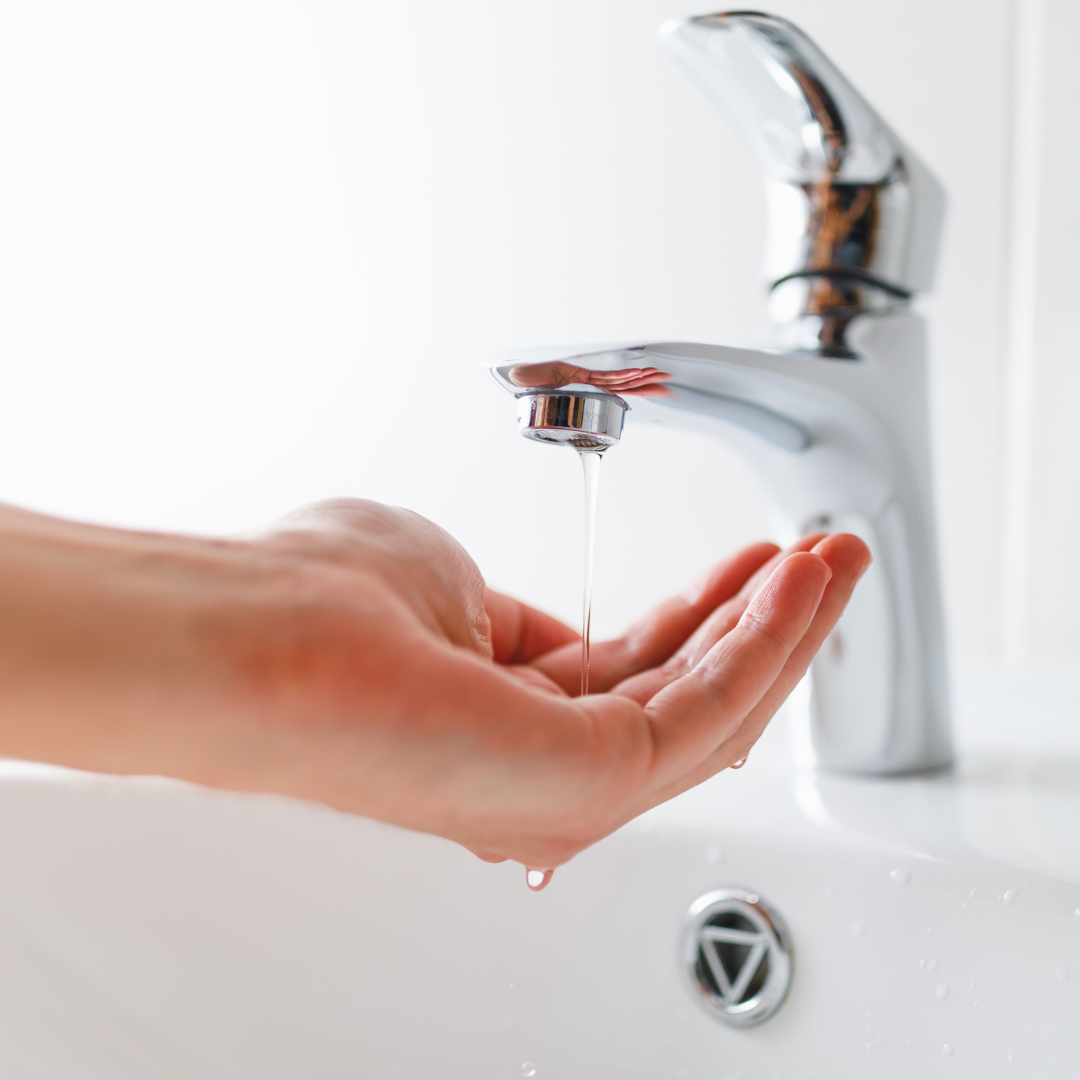
Faucets look simple on the outside, but the real work happens inside the valve body, where water pressure, temperature, and flow are controlled every time a handle moves.
Faucets look simple on the outside, but the real work happens inside the valve body, where water pressure, temperature, and flow are controlled every time a handle moves. When a faucet leaks, feels stiff, or fails to shut off cleanly, the cause almost always traces back to the internal valve design. Cartridge, washer, and ceramic disc faucets operate very differently internally, even though they may look nearly identical from above the sink. Understanding what lives inside the faucet helps explain why some repairs last for years while others keep coming back.
Each faucet type manages water in a distinct mechanical way, and those differences affect durability, maintenance needs, repair cost, and how failure shows up over time. Homeowners often replace parts without realizing what system they are working with, which leads to mismatched repairs or repeated leaks. Knowing whether a faucet uses a cartridge, washer, or ceramic disc mechanism makes troubleshooting more accurate and prevents unnecessary replacement.
Washer Faucets And How Compression Valves Work
Washer-based faucets represent the oldest and simplest design still found in many homes. Inside the faucet body, a rubber washer sits at the end of a stem. Turning the handle tightens the stem downward, pressing the washer against a valve seat to stop water flow. Turning the handle in the opposite direction lifts the washer away, allowing water to pass through.
This compression action explains why washer faucets require more turning force and why handles feel tighter over time. Each use presses the rubber against the metal, creating friction that gradually wears the washer down. As the washer degrades, water begins slipping past the seal, producing the familiar drip that continues even when the handle feels fully closed. Washer faucets fail predictably, but they also require frequent maintenance because rubber components wear relatively quickly under constant pressure.
Why Washer Faucets Leak And Wear Faster
Washer faucets leak primarily because rubber components deform, crack, or harden with age. Mineral buildup on the valve seat accelerates that wear by creating uneven sealing surfaces. Over time, tightening the handle harder becomes necessary to stop the drip, which only increases stress on the washer and stem threads.
These faucets also suffer from seat damage inside the valve body. Once the metal seat becomes pitted or corroded, replacing the washer alone no longer solves the problem. Repeated washer replacement without addressing the seat condition leads to recurring leaks. Washer faucets remain serviceable, but they demand regular maintenance and tolerate very little neglect before problems return.
Cartridge Faucets And Controlled Water Movement
Cartridge faucets use a cylindrical cartridge to regulate water flow and temperature. Inside the cartridge, ports align or misalign as the handle moves, allowing precise control without compressing rubber against metal surfaces. Cartridges can be used in single-handle or two-handle faucets, depending on design.
This system eliminates the grinding compression action seen in washer faucets. Movement feels smoother, and shutoff happens through alignment rather than pressure. Cartridge faucets generally require less force to operate and maintain consistent performance longer. When they fail, the issue usually involves worn internal seals or mineral buildup inside the cartridge rather than external washers.
Why Cartridge Faucets Fail Over Time
Cartridge failure typically occurs due to worn O-rings, internal seal degradation, or mineral accumulation that restricts movement. Instead of dripping from the spout continuously, cartridge problems often show up as leaking around the handle or base, stiffness during operation, or uneven temperature control.
Cartridges are designed as replaceable units, which simplifies repair when the correct part is available. However, cartridges vary widely by brand and model. Using the wrong replacement or forcing installation damages the valve body and leads to repeated failure. Cartridge faucets offer strong reliability when serviced correctly, but they depend heavily on proper part matching.
Ceramic Disc Faucets And Precision Control
Ceramic disc faucets represent the most modern and durable valve design. Inside the faucet, two flat ceramic discs sit against each other. One disc remains stationary while the other moves with the handle. When the discs align, water flows. When they separate, the water shuts off completely.
Ceramic discs rely on extremely smooth, hard surfaces rather than compressible seals. This design allows precise control with minimal wear and eliminates the need for tightening pressure. Ceramic disc faucets operate smoothly, resist mineral damage better than other designs, and rarely drip once properly installed.
How Ceramic Disc Faucets Fail And Why They Last Longer
Ceramic disc faucets fail far less frequently because ceramic surfaces resist abrasion and deformation. When problems do occur, they usually involve debris caught between the discs or damage caused by excessive pressure or improper installation. Leaks may appear suddenly rather than gradually because the system relies on precise alignment rather than compression.
Because ceramic disc components wear slowly, repairs are infrequent but more specific. Replacement parts tend to cost more, and compatibility matters greatly. When properly maintained, ceramic disc faucets offer the longest service life and the most consistent performance among faucet designs.
How Faucet Type Affects Repair Cost And Difficulty
Washer faucets usually cost the least to repair in terms of parts, but they require frequent attention and careful inspection of valve seats. Cartridge faucets cost more per repair because cartridges are proprietary, but repairs occur less often. Ceramic disc faucets involve higher part costs but rarely need service unless damaged or improperly installed.
Labor time also varies. Washer repairs involve multiple small parts and adjustments. Cartridge and ceramic disc repairs often involve replacing a single internal unit but require precise disassembly. Knowing the faucet type helps set realistic expectations for repair scope and longevity.
Why Identifying Faucet Type Prevents Repeat Leaks
Misidentifying a faucet leads to incorrect repairs. Replacing washers in a cartridge faucet accomplishes nothing. Cleaning a ceramic disc faucet without flushing debris may not stop leakage. Each system requires specific handling based on how it seals water internally.
Proper identification allows targeted repair rather than trial and error. It also helps determine whether repair or replacement offers better long-term value. Some older washer faucets reach a point where upgrading to a cartridge or ceramic disc design reduces ongoing maintenance and improves reliability.
Choosing Replacement Based On Internal Design
When replacing a faucet, internal design matters as much as exterior appearance. Ceramic disc faucets offer the best long-term durability and minimal maintenance. Cartridge faucets balance performance and repairability. Washer faucets remain serviceable but demand regular upkeep.
Water quality, pressure conditions, and usage frequency influence which design performs best in a given home. Matching faucet type to household conditions reduces future repairs and improves overall performance. Replacement decisions benefit from understanding what happens inside the fixture, not just how it looks.
FAQs
Faucet type is often identified by handle movement and internal inspection. Smooth quarter-turn operation usually indicates a cartridge or ceramic disc design, while multiple turns suggest a washer faucet.
Ceramic disc faucets typically last the longest due to minimal wear and precision sealing surfaces.
Washer faucets are older but still functional. They require more maintenance compared to newer designs.
Handling leaks usually indicate cartridge or internal seal failure rather than a washer issue.
Upgrading to a cartridge or ceramic disc faucet often reduces maintenance needs and improves long-term reliability.
Trust Adaven Plumbing for an effectively and efficiently functioning residential plumbing system. We offer drain cleaning, water leak detection and repair, toilet repairs, home repiping, faucet repair and replacement, and plumbing maintenance solutions in Las Vegas. We have a team of licensed technicians who deliver quality work and 24-hour emergency assistance. Call today to schedule a free onsite estimate.